In the realm of industrial valves, gate valves stand as crucial components in controlling the flow of various fluids within pipelines. As a reputable gate valve supplier, I've witnessed firsthand the significance of every part that makes up these essential devices. One such component that often goes unnoticed but plays a vital role is the packing in a gate valve. In this blog, we'll delve into the purpose of the packing in a gate valve, exploring its functions, types, and importance in ensuring the efficient and reliable operation of these valves.
Understanding the Basics of a Gate Valve
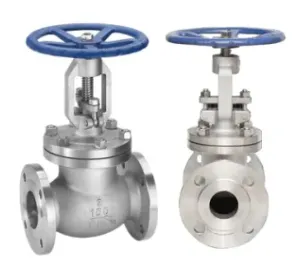
Before we dive into the purpose of the packing, let's briefly review the basic structure and operation of a gate valve. A gate valve consists of a valve body, a gate (or disc), a stem, and a bonnet. The gate is the movable part that controls the flow of fluid through the valve. When the gate is fully raised, the valve is open, allowing fluid to pass through. Conversely, when the gate is fully lowered, the valve is closed, blocking the flow of fluid.
The stem is connected to the gate and is used to raise and lower it. The bonnet is the part of the valve that covers the stem and provides a seal to prevent fluid from leaking out of the valve. The packing is located in the bonnet and surrounds the stem, creating a seal between the stem and the bonnet.
The Purpose of the Packing in a Gate Valve
The primary purpose of the packing in a gate valve is to prevent fluid from leaking out of the valve along the stem. As the stem moves up and down to open and close the valve, there is a potential for fluid to escape through the small gap between the stem and the bonnet. The packing acts as a barrier, sealing this gap and preventing leaks.
In addition to preventing leaks, the packing also serves several other important functions:
1. Lubrication
The packing provides lubrication between the stem and the bonnet, reducing friction and wear. This helps to ensure smooth operation of the valve and extends the lifespan of the stem and other components.
2. Pressure Resistance
The packing must be able to withstand the pressure of the fluid inside the valve without leaking. It is designed to maintain its integrity under high pressures, ensuring a reliable seal even in demanding applications.
3. Chemical Resistance
Depending on the type of fluid being transported through the valve, the packing must be resistant to chemical attack. This is particularly important in applications where the fluid is corrosive or contains abrasive particles.
4. Temperature Resistance
The packing must also be able to withstand the temperature of the fluid being transported. In high-temperature applications, the packing must be made of materials that can maintain their properties without degrading or losing their sealing ability.


Types of Packing Used in Gate Valves
There are several types of packing materials that can be used in gate valves, each with its own unique properties and advantages. Some of the most common types of packing include:
1. Graphite Packing
Graphite packing is a popular choice for gate valves due to its excellent lubrication properties, high temperature resistance, and chemical resistance. It is made of graphite fibers that are braided or compressed into a packing material. Graphite packing is suitable for a wide range of applications, including high-temperature and high-pressure environments.
2. PTFE Packing
PTFE (polytetrafluoroethylene) packing is another commonly used packing material in gate valves. It is known for its low friction coefficient, excellent chemical resistance, and non-stick properties. PTFE packing is often used in applications where the fluid is corrosive or where a low-friction seal is required.
3. Aramid Packing
Aramid packing is made of synthetic fibers that are known for their high strength and abrasion resistance. It is suitable for applications where the fluid contains abrasive particles or where the valve is subject to high levels of wear and tear. Aramid packing is also resistant to chemicals and high temperatures.
4. Asbestos Packing
Asbestos packing was once widely used in gate valves due to its excellent heat resistance and sealing properties. However, due to the health risks associated with asbestos exposure, its use has been largely phased out in many countries. In applications where asbestos packing is still used, it must be handled and disposed of properly to minimize the risk of exposure.
Importance of Proper Packing Installation and Maintenance
Proper installation and maintenance of the packing in a gate valve are essential to ensure its effective operation and prevent leaks. Here are some key considerations for packing installation and maintenance:
1. Installation
- Clean the Stem and Bonnet: Before installing the packing, it is important to clean the stem and bonnet to remove any dirt, debris, or old packing material. This will ensure a proper seal and prevent damage to the new packing.
- Use the Correct Packing Material: Select the packing material that is suitable for the specific application, taking into account factors such as the type of fluid, temperature, pressure, and chemical compatibility.
- Install the Packing Properly: Follow the manufacturer's instructions for installing the packing, ensuring that it is properly seated and compressed. Over-tightening the packing can cause excessive friction and wear, while under-tightening can result in leaks.
2. Maintenance
- Regular Inspection: Periodically inspect the packing for signs of wear, damage, or leakage. If any issues are detected, replace the packing immediately to prevent further damage to the valve.
- Adjust the Packing as Needed: Over time, the packing may become compressed or worn, resulting in leaks. If this occurs, adjust the packing by tightening the gland bolts or adding additional packing material as needed.
- Lubricate the Packing: To ensure smooth operation and reduce friction, lubricate the packing regularly with a suitable lubricant. This will help to extend the lifespan of the packing and prevent premature wear.
Conclusion
In conclusion, the packing in a gate valve plays a crucial role in preventing leaks, providing lubrication, and ensuring the efficient and reliable operation of the valve. By understanding the purpose of the packing, selecting the appropriate packing material, and following proper installation and maintenance procedures, you can ensure that your gate valves perform at their best and provide long-lasting service.
As a gate valve supplier, we offer a wide range of high-quality gate valves, including F4 Gate Valve F4, Rising Stem Flanged Gate Valve Z41H, and Knife Gate Valve. Our valves are designed and manufactured to meet the highest standards of quality and performance, and we are committed to providing our customers with the best products and services.
If you have any questions or need assistance with selecting the right gate valve for your application, please don't hesitate to contact us. We look forward to the opportunity to discuss your requirements and help you find the perfect solution for your needs.
References
- Valve Handbook, 4th Edition, by William L. Nash
- Industrial Valves: Selection, Specification, and Installation, by Robert W. Perry
- Gate Valve Technology and Applications, by John D. Smith