Hey there! As a supplier of Rising Stem Gate Valves, I'm super excited to dive into how these nifty devices control the flow of fluid. It's a topic that's not only fascinating but also crucial for anyone dealing with fluid systems. So, let's get started!
The Basics of a Rising Stem Gate Valve
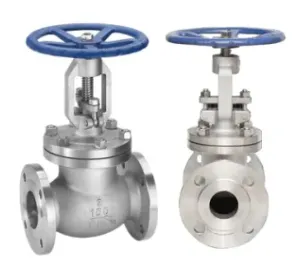
First off, let's understand what a Rising Stem Gate Valve is. Picture a valve with a gate - that's the part that moves up and down to control the flow. The "rising stem" part means that as you turn the valve's handwheel or actuator, the stem (the long rod connected to the gate) rises or lowers. This is different from a non - rising stem valve, where the stem rotates but doesn't move up and down.
The gate in a Rising Stem Gate Valve is like a door in a pipeline. When the gate is fully open, it allows fluid to flow freely through the valve. Think of it as opening a door wide so people can walk through easily. On the other hand, when the gate is fully closed, it blocks the flow completely, just like shutting a door tight.
How the Rising Stem Helps with Flow Control
The rising stem plays a key role in flow control. When you start to turn the handwheel in the opening direction, the stem begins to rise. As it rises, it pulls the gate up with it. This gradually creates an opening between the gate and the valve seat. The size of this opening determines how much fluid can pass through the valve.
For example, if you only turn the handwheel a little bit, the stem will rise just a small amount, and the gate will only open a tiny crack. This restricts the flow of fluid, and only a small amount can get through. It's like opening a door just a few inches - only a little bit of air or light can come in.
Conversely, if you turn the handwheel all the way, the stem rises fully, and the gate opens completely. This allows the maximum amount of fluid to flow through the valve. It's like flinging the door wide open to let in a large crowd.
Types of Flow Control with Rising Stem Gate Valves
There are two main types of flow control that can be achieved with Rising Stem Gate Valves: on - off control and throttling control.
On - Off Control
On - off control is the most basic type of flow control. It's all about either allowing full flow or stopping the flow completely. In many industrial applications, this is sufficient. For instance, in a water supply system for a building, a Rising Stem Gate Valve can be used to turn the water on or off when needed. When the valve is fully open, water flows through the pipes to supply the building. When it's fully closed, the water supply is shut off.
Throttling Control
Throttling control is a bit more complex. It involves adjusting the flow rate of the fluid to a specific level. This is useful in situations where you need to maintain a precise flow rate. For example, in a chemical processing plant, you might need to control the flow of a chemical solution into a reaction vessel at a specific rate.
To achieve throttling control with a Rising Stem Gate Valve, you carefully adjust the position of the gate by turning the handwheel. By partially opening the gate, you can restrict the flow to the desired level. However, it's important to note that Rising Stem Gate Valves are not always the best choice for long - term throttling. The gate and the valve seat can wear out quickly when used for continuous throttling because of the high - velocity fluid flow across the partially open gate.
Factors Affecting Flow Control
Several factors can affect how well a Rising Stem Gate Valve controls the flow of fluid.
Fluid Properties
The properties of the fluid being controlled play a big role. For example, the viscosity of the fluid matters. Viscous fluids, like oil, flow more slowly than less viscous fluids, like water. A Rising Stem Gate Valve may need to be adjusted differently for a viscous fluid to achieve the same flow rate as a less viscous one.
The temperature of the fluid can also affect flow control. Hot fluids may expand and have different flow characteristics compared to cold fluids. In some cases, the valve may need to be made of materials that can withstand high temperatures to ensure proper operation.
Valve Size
The size of the valve is another important factor. A larger valve can handle a higher flow rate than a smaller one. When selecting a Rising Stem Gate Valve for a particular application, you need to consider the expected flow rate and choose a valve size that can accommodate it.
Pressure
The pressure of the fluid in the pipeline also affects flow control. Higher pressure fluids can flow more easily through a valve, but they can also put more stress on the valve components. A Rising Stem Gate Valve needs to be designed to withstand the pressure in the pipeline to ensure reliable operation.
Our Rising Stem Gate Valve Offerings
At our company, we offer a wide range of Rising Stem Gate Valves to meet different flow control needs. We have valves in various sizes, materials, and pressure ratings.
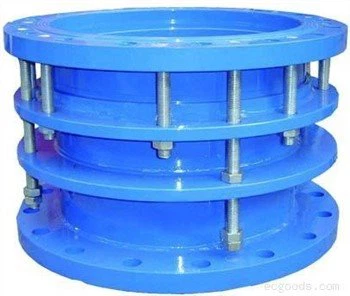
One of our popular products is the BS5163 Gate Valve BS5163. This valve is designed to meet the BS5163 standard, which ensures high - quality and reliable performance. It's suitable for a variety of applications, including water supply, oil and gas, and chemical processing.

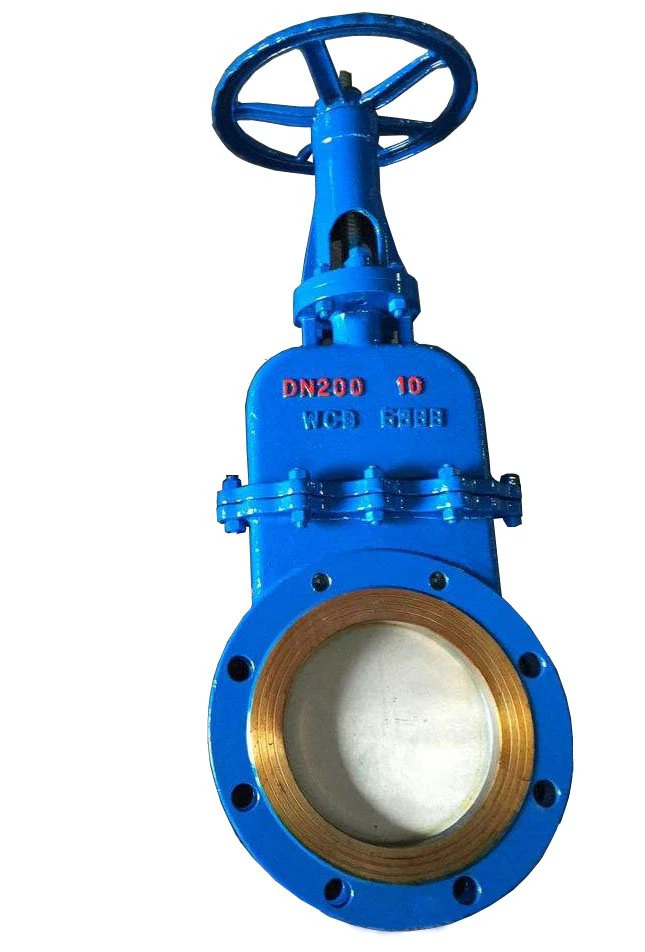
We also have the Manual Slurry Valve. This valve is specifically designed for handling slurries, which are mixtures of solid particles and liquids. The valve is made of materials that can resist abrasion from the solid particles, ensuring long - term durability.
Another great option is the 150LB Check Valve. This valve is designed to prevent backflow in the pipeline. It's a reliable choice for applications where backflow can cause problems, such as in a pumping system.
Why Choose Our Rising Stem Gate Valves
There are several reasons why you should choose our Rising Stem Gate Valves. Firstly, we use high - quality materials in the manufacturing process. This ensures that our valves are durable and can withstand harsh operating conditions.
Secondly, our valves are designed with precision. We pay close attention to the details of the valve design to ensure smooth operation and accurate flow control.
Finally, we offer excellent customer service. Our team of experts is always ready to help you choose the right valve for your application and provide technical support if needed.
Contact Us for Your Flow Control Needs
If you're looking for a reliable Rising Stem Gate Valve for your fluid control application, don't hesitate to get in touch with us. We're here to help you find the perfect valve solution for your needs. Whether you need on - off control or throttling control, we have the expertise and the products to meet your requirements.
References
- Smith, J. (2020). Industrial Valve Handbook. Publisher X.
- Johnson, A. (2019). Fluid Flow Control in Engineering. Publisher Y.