Can a Y Strainer be used in a gas system?
As a seasoned supplier of Y strainers, I've often encountered inquiries about the suitability of Y strainers in gas systems. This blog aims to comprehensively explore this topic, providing scientific insights and practical considerations for those contemplating the use of Y strainers in gas applications.
Understanding Y Strainers
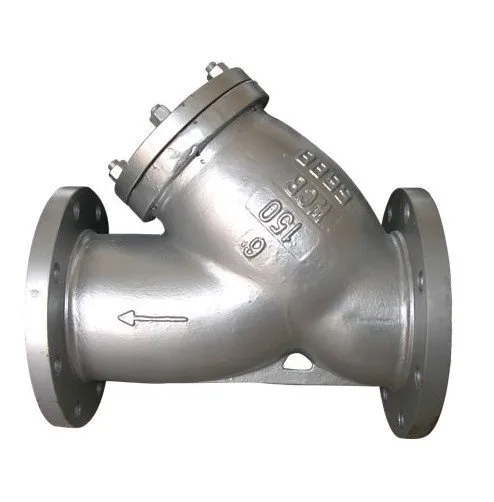
Y strainers are mechanical filtration devices designed to remove solid particles from fluid or gas streams. They are named for their Y-shaped configuration, which houses a perforated or mesh screen that traps debris while allowing the fluid or gas to pass through. Y strainers are commonly used in a variety of industries, including oil and gas, chemical processing, water treatment, and power generation, to protect downstream equipment such as pumps, valves, and meters from damage caused by dirt, rust, scale, and other contaminants.

Gas Systems and Their Requirements
Gas systems can vary widely in terms of their operating conditions, including pressure, temperature, flow rate, and gas composition. These factors play a crucial role in determining the suitability of a Y strainer for a particular gas application. For instance, high-pressure gas systems require strainers that can withstand the forces exerted by the gas flow without leaking or failing. Similarly, high-temperature gas applications demand strainers made from materials that can maintain their structural integrity and filtration efficiency at elevated temperatures.
Suitability of Y Strainers in Gas Systems
In general, Y strainers can be effectively used in gas systems, provided that they are properly selected and installed. Here are some key considerations to keep in mind:
- Filtration Efficiency: The primary function of a Y strainer in a gas system is to remove solid particles from the gas stream. The filtration efficiency of a Y strainer depends on several factors, including the size and shape of the screen openings, the mesh size of the screen, and the velocity of the gas flow. A finer mesh screen will provide higher filtration efficiency but may also result in higher pressure drop across the strainer. Therefore, it is essential to strike a balance between filtration efficiency and pressure drop based on the specific requirements of the gas system.
- Material Compatibility: The materials used in the construction of a Y strainer must be compatible with the gas being filtered. Certain gases, such as corrosive or reactive gases, can cause damage to the strainer components over time. For example, stainless steel is a popular choice for Y strainers in many gas applications due to its corrosion resistance and durability. However, in applications involving highly corrosive gases, specialized materials such as Hastelloy or titanium may be required.
- Pressure and Temperature Ratings: Y strainers must be rated to withstand the pressure and temperature conditions of the gas system. Exceeding the pressure or temperature ratings of a strainer can lead to failure, leakage, or reduced filtration efficiency. It is important to select a Y strainer with appropriate pressure and temperature ratings based on the operating conditions of the gas system.
- Flow Rate and Pressure Drop: The flow rate of the gas through the Y strainer and the resulting pressure drop across the strainer are important considerations. A high flow rate may require a larger-sized strainer to ensure adequate filtration and minimize pressure drop. On the other hand, a low flow rate may result in insufficient gas velocity to effectively remove particles from the screen, leading to reduced filtration efficiency.
Types of Y Strainers for Gas Systems
There are several types of Y strainers available for gas systems, each with its own unique features and advantages. Here are some common types:
- SS304 Screen Y Strainer SS304: This type of Y strainer features a stainless steel 304 screen, which offers excellent corrosion resistance and durability. It is suitable for a wide range of gas applications, including air, nitrogen, and natural gas.
- PN10 Y-type Filter: The PN10 Y-type filter is designed for use in low-pressure gas systems. It has a pressure rating of 10 bar and is available in various sizes and configurations to meet the specific requirements of different gas applications.
- Cast Iron Y Strainer: Cast iron Y strainers are a cost-effective option for gas applications that do not require high corrosion resistance. They are commonly used in industrial and commercial gas systems, such as those found in heating, ventilation, and air conditioning (HVAC) systems.
Installation and Maintenance
Proper installation and maintenance are essential for ensuring the optimal performance and longevity of Y strainers in gas systems. Here are some installation and maintenance tips:
- Installation: Y strainers should be installed in a horizontal or vertical position, depending on the design of the strainer and the requirements of the gas system. The strainer should be installed upstream of the equipment to be protected, and the inlet and outlet connections should be properly aligned and tightened to prevent leakage.
- Maintenance: Regular maintenance of Y strainers is necessary to ensure their continued effectiveness. This includes inspecting the strainer screen for damage or clogging, cleaning or replacing the screen as needed, and checking the pressure drop across the strainer to monitor its performance.
Conclusion
In conclusion, Y strainers can be successfully used in gas systems, provided that they are properly selected, installed, and maintained. By considering factors such as filtration efficiency, material compatibility, pressure and temperature ratings, flow rate, and pressure drop, you can choose the right Y strainer for your gas application. As a leading supplier of Y strainers, we offer a wide range of high-quality strainers to meet the diverse needs of gas systems. If you have any questions or need assistance in selecting the appropriate Y strainer for your gas application, please do not hesitate to [contact us for procurement and negotiation details]. We are committed to providing you with the best solutions and support to ensure the efficient and reliable operation of your gas system.
References
- "Filtration Handbook," Fourth Edition, by David W. Purchas and Stephen J. Wakeman
- "Process Piping Design," by George A. Antaki
- "Handbook of Chemical Engineering Calculations," Fourth Edition, by Nicholas P. Chopey