When it comes to gas lines, choosing the right pipe fittings is super crucial. As a pipe fitting supplier, I've seen firsthand how the wrong choice can lead to all sorts of problems, from leaks to inefficiencies. So, let's dig into the different types of pipe fittings that are suitable for gas lines.
Threaded Fittings
Threaded fittings are one of the most common types out there. They're easy to install and can be used in a variety of applications. You just screw them onto the pipes, and you're good to go. They come in different materials like brass, steel, and stainless steel. Brass is a popular choice for gas lines because it's corrosion - resistant and has good strength.
These fittings are great for small - scale gas systems, like those in residential homes. For example, if you're installing a gas stove or a water heater, threaded fittings can do the job. They're also relatively inexpensive, which makes them a budget - friendly option. However, they do have some limitations. Over time, the threads can wear out, especially if there's a lot of vibration in the system. And if they're not installed correctly, they can leak.
Compression Fittings
Compression fittings are another option for gas lines. They work by compressing a ring or ferrule onto the pipe to create a tight seal. These fittings are easy to install and don't require any special tools, just a pair of wrenches.
They're often used in situations where you need to make a quick connection or where you might need to disassemble the fitting later. For instance, in some industrial settings where gas lines need to be adjusted or maintained regularly, compression fittings are a great choice. They're also good for use with soft copper pipes. But, they can be a bit tricky to get a perfect seal, and if the ferrule isn't compressed properly, it can lead to leaks.
Welded Fittings
Welded fittings offer a very strong and permanent connection. They're made by welding the fitting directly to the pipe. This creates a seamless joint that's highly resistant to leaks and can handle high pressures.


Welded fittings are commonly used in large - scale gas distribution systems, like those in industrial plants or municipal gas networks. They're usually made of steel, which can withstand the high - pressure and high - temperature conditions often found in these systems. However, welding requires specialized skills and equipment. It's also a time - consuming process, and any mistakes in the welding can lead to weak points in the joint.
Flanged Fittings
Flanged fittings are designed to be bolted together. They have a flat, circular flange at the end of the fitting that allows you to connect it to another flange on a pipe or another fitting. This type of connection is very strong and can be easily disassembled for maintenance or repairs.
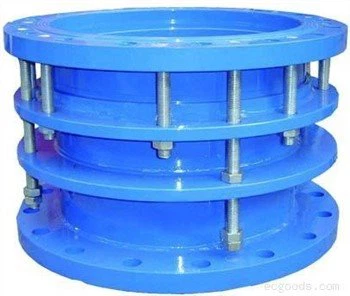
There are different types of flanged fittings. One type is the Flange Pipe Expansion Joint. This joint is designed to absorb movement and vibration in the gas line. It can compensate for thermal expansion and contraction, which is important in gas systems where the temperature can change.
Another type is the Double Flange Expansion Joint. This joint has two flanges and provides even more flexibility and movement compensation. Flanged fittings are often used in commercial and industrial gas systems where you need a reliable and easy - to - maintain connection.
Socket Weld Fittings
Socket weld fittings are similar to welded fittings, but instead of welding the outside of the joint, the pipe is inserted into a socket in the fitting and then welded. This creates a strong, leak - resistant joint.
These fittings are often used in high - pressure gas systems. They're suitable for small - diameter pipes and can handle the stress and pressure of the gas flow. However, like welded fittings, socket weld fittings require welding skills and equipment, and any welding defects can compromise the integrity of the joint.
Factors to Consider When Choosing Pipe Fittings for Gas Lines
- Pressure Rating: Gas lines can operate at different pressures, so you need to choose fittings that can handle the specific pressure of your system. For high - pressure systems, welded or flanged fittings are usually the best choice.
- Material Compatibility: The material of the fitting should be compatible with the gas being transported. For example, some gases can react with certain metals, so you need to choose a material that won't corrode or degrade.
- Temperature Range: Gas lines can be exposed to different temperatures. Fittings need to be able to withstand the temperature variations without losing their integrity. Expansion joints, like the ones mentioned above, are useful in systems where temperature changes are significant.
- Size and Configuration: The size of the fitting needs to match the size of the pipe. Also, consider the configuration of your gas line. For example, if you need to make a turn or a branch in the line, you'll need the appropriate elbow or tee fittings.
Conclusion
Choosing the right pipe fittings for gas lines is a complex decision that depends on many factors. As a pipe fitting supplier, I'm here to help you make the best choice for your specific gas system. Whether you're working on a small residential project or a large industrial installation, we have a wide range of fittings to meet your needs.
If you're in the market for pipe fittings for your gas line, don't hesitate to reach out. We can provide you with detailed information about our products, help you select the right fittings, and offer competitive prices. Contact us today to start the procurement process and ensure a safe and efficient gas line installation.
References
- ASME B31.8 - Gas Transmission and Distribution Piping Systems
- API 6D - Specification for Pipeline Valves
- ASTM Standards for Pipe Fittings