Hey there! As an OEM butterfly valve supplier, I often get asked if our valves can be used for corrosive fluids. It's a super important question, especially in industries where dealing with corrosive substances is the norm. So, let's dive right into it and find out if our OEM butterfly valves are up to the task.
First off, let's understand what corrosive fluids are. Corrosive fluids can be anything from acids and alkalis to some aggressive chemicals. These substances have the ability to eat away at materials over time, which can lead to valve failure if the right precautions aren't taken.
Now, when it comes to our OEM butterfly valves, we've got a few tricks up our sleeves. One of the key factors in determining whether a valve can handle corrosive fluids is the material it's made of. We offer a variety of materials for our butterfly valves, each with its own set of properties and resistance to corrosion.
For instance, our Bronze Butterfly Valve is a great option for certain corrosive applications. Bronze is known for its good corrosion resistance, especially in water and some mild chemical environments. It's a relatively cost - effective material that can withstand a fair amount of wear and tear from less aggressive corrosive fluids.
Another popular choice is our EPDM Seat Butterfly Valve EPDM. EPDM (Ethylene Propylene Diene Monomer) is a synthetic rubber that has excellent resistance to many chemicals, ozone, and weathering. The EPDM seat in our butterfly valves provides a tight seal and can protect the valve body from direct contact with the corrosive fluid. This helps to extend the lifespan of the valve, even when used with moderately corrosive substances.
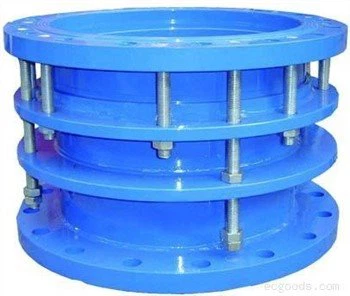
If you're dealing with more severe corrosive conditions, we also have Double Flanged Butterfly Valves made from special alloys. These alloys are designed to resist the harshest of chemicals. They are more expensive than standard materials, but they offer a much higher level of protection and durability. For example, in industries like chemical processing, where highly concentrated acids or alkalis are used, these double - flanged butterfly valves can be a lifesaver.
But it's not just about the material. The design of our OEM butterfly valves also plays a crucial role in their ability to handle corrosive fluids. We've engineered our valves to have smooth internal surfaces. This reduces the chances of fluid buildup and the formation of pockets where corrosion can start. The disc of the butterfly valve is also designed to open and close smoothly, minimizing wear and tear on the valve components.
However, it's important to note that no valve is completely immune to corrosion. Even with the best materials and designs, over time, the effects of corrosive fluids will start to show. That's why regular maintenance is essential. We recommend inspecting the valves periodically, checking for signs of corrosion such as pitting, cracking, or leakage. If any issues are detected early, they can be addressed before they turn into major problems.


In addition to material and design, the operating conditions also matter. Things like temperature, pressure, and the flow rate of the corrosive fluid can all affect how well the valve performs. For example, high - temperature corrosive fluids can speed up the corrosion process. So, if you're using our valves in such conditions, you need to make sure you've chosen the right material and design to handle those specific factors.
Now, let's talk about how to choose the right OEM butterfly valve for your corrosive fluid application. The first step is to identify the type of corrosive fluid you're dealing with. Is it an acid, an alkali, or a chemical compound? Then, you need to know the concentration of the fluid, its temperature, and the pressure it will be under. Once you have this information, you can consult with our team. We've got experts who can help you select the most suitable valve based on your specific requirements.
In conclusion, our OEM butterfly valves can definitely be used for corrosive fluids. With the right choice of material, design, and proper maintenance, they can provide reliable service in a wide range of corrosive environments. Whether you're in the water treatment industry, chemical processing, or any other field that deals with corrosive substances, we've got a valve solution for you.
If you're in the market for a butterfly valve to handle corrosive fluids, don't hesitate to reach out. We're here to help you find the perfect valve for your needs. Let's have a chat about your project and see how we can work together to ensure your operations run smoothly.
References:
- Chemical Engineering Handbook
- Valve Design and Application Manuals