Yo, fellow solar energy enthusiasts! I'm stoked to be here as a supplier of Y strainers to chat about how we can supercharge the performance of these nifty devices in solar energy systems. Y strainers are like the unsung heroes in solar setups, keeping things clean and running smoothly. So, let's dive right in and explore some tips to optimize their performance.
Understanding the Role of Y Strainers in Solar Energy Systems
First off, let's get on the same page about what Y strainers do in solar energy systems. In a nutshell, they're filtration devices that remove solid particles from the fluid flowing through the system. In solar setups, this fluid could be water, glycol, or other heat transfer fluids. By trapping debris like sand, rust, and scale, Y strainers prevent clogs in pipes, valves, and other components, which can lead to reduced efficiency and even system failures.
Think of it like this: your solar energy system is like a well - oiled machine. And the Y strainer is the filter that keeps all the parts working in harmony. Without it, you could end up with a lot of headaches down the line.
Selecting the Right Y Strainer
One of the most crucial steps in optimizing performance is choosing the right Y strainer for your solar energy system. There are a few factors to consider here.
Material
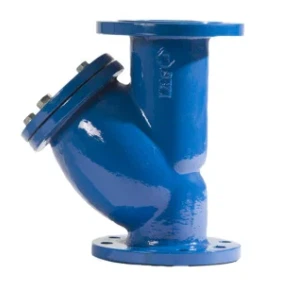
The material of the Y strainer matters big time. For solar applications, you want something that can withstand the environmental conditions and the type of fluid in the system. Ductile Cast Iron Flanged Y Strainer is a popular choice. It's durable, corrosion - resistant, and can handle high pressures. Another option is the Ductile Iron Y Type Strainer Double Flange Water DIN/JIS/ASME/ASTM/GB, which offers great flexibility in terms of standards and is suitable for different types of water - based systems. And if you're on a budget or have less demanding applications, the Cast Iron Y Strainer can also do the job.
Mesh Size
The mesh size of the strainer determines the size of the particles it can trap. In a solar energy system, you need to strike the right balance. If the mesh is too coarse, it won't catch small particles that can still cause problems. But if it's too fine, it can restrict the flow of fluid and reduce the system's efficiency. You'll need to analyze the type of debris in your system and choose a mesh size accordingly.
Size and Capacity
Make sure the Y strainer is the right size for your system. A strainer that's too small will get clogged quickly, while one that's too large can be overkill and a waste of money. You'll need to consider the flow rate of the fluid in your system and select a strainer with an appropriate capacity.

Installation Best Practices
Once you've got the right Y strainer, it's time to install it properly. Here are some key points to keep in mind.
Location
Install the Y strainer in a location where it's easy to access for maintenance. It should be placed upstream of any sensitive components like pumps, valves, or heat exchangers. This way, it can catch the debris before it causes damage to these parts.
Orientation
The Y strainer has a specific orientation. Make sure it's installed with the opening of the "Y" facing downwards. This allows the trapped debris to settle at the bottom of the strainer, making it easier to clean.
Piping
Use proper piping when connecting the Y strainer to the system. Make sure the pipes are the right size and are properly supported. Leaks in the piping can reduce the effectiveness of the strainer and cause other issues in the system.
Regular Maintenance
Maintenance is the key to keeping your Y strainer performing at its best. Here's what you need to do.
Inspection
Regularly inspect the Y strainer for signs of wear, corrosion, or clogging. You can do a visual inspection or use pressure gauges to monitor the pressure drop across the strainer. A significant increase in pressure drop could indicate a clog.
Cleaning
Clean the strainer at regular intervals. The frequency of cleaning depends on the amount of debris in the system. In some cases, you might need to clean it monthly, while in others, quarterly might be sufficient. To clean it, simply remove the strainer basket, wash it with water, and reinstall it.
Replacement
Over time, the strainer basket or other components of the Y strainer may wear out. When this happens, replace them promptly. Using a worn - out strainer can lead to reduced performance and potential system failures.
Monitoring and Performance Optimization
In addition to regular maintenance, you can also monitor the performance of the Y strainer and make adjustments as needed.
Flow Rate
Keep an eye on the flow rate of the fluid in the system. A sudden drop in flow rate could be a sign of a clogged strainer. If this happens, clean or replace the strainer as soon as possible.
Pressure Drop
As mentioned earlier, monitor the pressure drop across the strainer. If the pressure drop is consistently high, it might be time to upgrade to a strainer with a larger capacity or a different mesh size.
Conclusion
Optimizing the performance of a Y strainer in a solar energy system is a multi - step process. It starts with selecting the right strainer, installing it correctly, and then maintaining it regularly. By following these tips, you can ensure that your Y strainer keeps your solar energy system running smoothly and efficiently for years to come.
If you're in the market for a high - quality Y strainer for your solar energy system, don't hesitate to reach out. We're here to help you find the perfect solution for your needs. Whether you have questions about the right product, installation, or maintenance, we've got you covered. Let's work together to make your solar energy system even better!
References
- "Solar Energy Systems Design and Installation Handbook"
- "Filtration Technology for Fluid Systems"