Hey there! As a supplier of parallel gate valves, I often get asked about how to choose the right one for a specific chemical. It's a crucial decision, as the wrong valve can lead to all sorts of problems, from leaks to equipment damage. So, I thought I'd share some tips and considerations to help you make an informed choice.
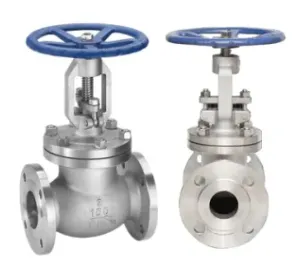
First off, let's talk about what parallel gate valves are. They're a type of valve that uses two parallel discs to control the flow of fluid. These discs move up and down within the valve body to open or close the passage. Parallel gate valves are known for their excellent sealing performance and low pressure drop, making them a popular choice in many industries, including chemical processing.
Now, when it comes to choosing a parallel gate valve for a specific chemical, there are several factors you need to consider.
Chemical Compatibility
The most important factor is chemical compatibility. Different chemicals can react with different materials, causing corrosion, erosion, or other forms of damage. You need to make sure that the materials used in the valve, including the body, discs, seats, and stem, are resistant to the chemical you're dealing with.
For example, if you're working with acids, you might need a valve made of stainless steel or a special alloy that can withstand the corrosive effects of the acid. On the other hand, if you're dealing with a basic chemical, a valve made of a different material might be more suitable. It's always a good idea to consult with a chemical compatibility chart or a valve expert to determine the best materials for your specific application.
Pressure and Temperature Ratings
Another important consideration is the pressure and temperature ratings of the valve. Chemical processes often involve high pressures and temperatures, and you need to make sure that the valve can handle these conditions without failing.
The pressure rating of a valve indicates the maximum pressure it can safely withstand. You need to choose a valve with a pressure rating that is higher than the maximum pressure in your system. Similarly, the temperature rating indicates the maximum temperature the valve can handle. Make sure to choose a valve that can operate within the temperature range of your chemical process.
Flow Rate and Size
The flow rate of your chemical process also plays a role in choosing the right valve. You need to select a valve with a size that can accommodate the required flow rate. If the valve is too small, it can restrict the flow and cause pressure drops, which can affect the efficiency of your process. On the other hand, if the valve is too large, it can be more expensive and may not provide accurate flow control.
To determine the appropriate valve size, you need to calculate the flow rate of your system and then refer to the valve manufacturer's sizing charts. These charts will help you select the right valve size based on the flow rate, pressure drop, and other factors.
Valve Design and Features
There are different types of parallel gate valves available, each with its own design and features. Some valves have a non-rising stem design, which means that the stem does not move up and down as the valve is opened or closed. This can be a useful feature in applications where space is limited. You can learn more about Non-rising Stem Gate Valve on our website.
Other valves may have a resilient seat design, which provides better sealing performance and can be used in applications where a tight shut-off is required. For example, our 16bar Dustile Iron Nrs Resilient Seat Wedge Gate Valve is a popular choice for many chemical applications.
In some cases, you may also need a valve with special features, such as a knife gate design for handling slurries or viscous fluids. Check out our Knife Gate Valve if you're dealing with such applications.
Operating Conditions
The operating conditions of your chemical process can also affect the choice of valve. For example, if the valve will be operated frequently, you may need a valve with a long service life and low maintenance requirements. On the other hand, if the valve will be used in a hazardous environment, you may need a valve that meets certain safety standards.
You also need to consider the type of actuation required for the valve. Some valves can be operated manually, while others may require an electric, pneumatic, or hydraulic actuator. The choice of actuation depends on the application and the level of control you need.
Cost and Availability
Finally, cost and availability are also important factors to consider. You want to choose a valve that fits within your budget while still meeting your performance requirements. However, it's important not to compromise on quality for the sake of cost. A cheap valve may end up costing you more in the long run due to maintenance and replacement costs.
You also need to consider the availability of the valve. Make sure that the valve you choose is readily available from a reliable supplier. This will ensure that you can get the valve when you need it and that you can get support and replacement parts if necessary.
In conclusion, choosing the right parallel gate valve for a specific chemical requires careful consideration of several factors, including chemical compatibility, pressure and temperature ratings, flow rate and size, valve design and features, operating conditions, cost, and availability. By taking the time to evaluate these factors and consult with a valve expert, you can select a valve that will provide reliable and efficient performance in your chemical process.
If you're still not sure which parallel gate valve is right for your application, don't hesitate to reach out to us. We have a team of experts who can help you choose the best valve for your specific needs. We also offer a wide range of parallel gate valves that are designed to meet the demands of various chemical applications. Contact us today to start the procurement process and let's find the perfect valve for your project together.
References


- Valve Handbook: A Guide to Valve Selection and Application
- Chemical Compatibility Charts
- Manufacturer's Product Literature