Can gate valves be used in corrosive environments?
As a dedicated gate valve supplier, I often encounter inquiries from customers regarding the suitability of gate valves in corrosive environments. This is a crucial question, as the performance and longevity of valves in such conditions can significantly impact the efficiency and safety of industrial processes. In this blog post, I will delve into the factors that determine whether gate valves can be used in corrosive environments, explore the types of gate valves that are more corrosion - resistant, and provide real - world examples and considerations.
Understanding Corrosion in Valve Applications
Corrosion is a natural process that involves the deterioration of a material due to chemical reactions with its environment. In industrial settings, corrosive agents can include acids, alkalis, salts, and various chemicals. When a gate valve is exposed to a corrosive environment, it can lead to several issues such as reduced valve performance, leakage, and ultimately, valve failure.
The rate and type of corrosion depend on several factors. The chemical composition of the corrosive medium is a primary determinant. For example, strong acids like sulfuric acid can cause rapid corrosion of many metals, while milder substances may have a slower and less severe impact. Temperature also plays a significant role, as higher temperatures generally accelerate corrosion reactions. Additionally, the presence of oxygen, moisture, and other contaminants in the environment can enhance the corrosive effect.
Types of Gate Valves and Their Corrosion Resistance
There are different types of gate valves, and their corrosion resistance varies based on the materials used in their construction.
-
Cast Iron Gate Valves
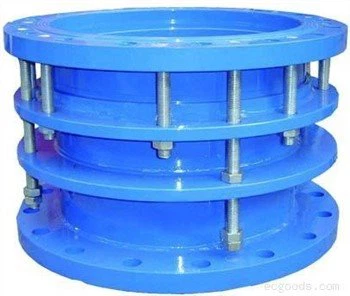
Cast iron gate valves are commonly used in many general - purpose applications. However, they have limited corrosion resistance. Cast iron is prone to rusting when exposed to moisture and oxygen, and it can be easily attacked by acids and alkalis. In mildly corrosive environments, such as water distribution systems with low levels of dissolved salts, cast iron gate valves may be suitable if proper coatings are applied. But in highly corrosive industrial settings, their use is often restricted. -
Stainless Steel Gate Valves
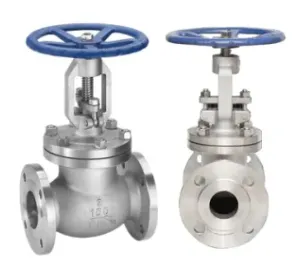
Stainless steel is a popular choice for gate valves in corrosive environments. It contains chromium, which forms a passive oxide layer on the surface of the metal, protecting it from further corrosion. Different grades of stainless steel offer varying levels of corrosion resistance. For example, 304 stainless steel is suitable for many general - purpose corrosive applications, while 316 stainless steel, which contains molybdenum, provides enhanced resistance to pitting and crevice corrosion, making it ideal for use in marine and chemical processing environments. -
Alloy Gate Valves
Alloy gate valves are made from specialized alloys that are designed to withstand extreme corrosion. For instance, Hastelloy is an alloy that offers excellent resistance to a wide range of corrosive chemicals, including strong acids and oxidizing agents. These valves are often used in highly demanding applications such as chemical manufacturing and petrochemical refining.
Our Product Offerings for Corrosive Environments
As a gate valve supplier, we offer a range of products that are suitable for corrosive environments.
-
Rising Stem Flanged Gate Valve Z41H
The Rising Stem Flanged Gate Valve Z41H is available in various materials, including stainless steel. Its rising stem design allows for easy visual indication of the valve's position. The flanged connection provides a secure and leak - tight seal. In corrosive environments, the stainless - steel version of this valve can withstand the attack of many common corrosive agents, ensuring reliable operation over an extended period. -
Manual Slurry Valve
Our Manual Slurry Valve is designed to handle abrasive and corrosive slurries. It is constructed with materials that can resist both the wear caused by the solid particles in the slurry and the corrosion from the liquid phase. The valve's robust design and special sealing mechanisms make it suitable for use in industries such as mining, wastewater treatment, and chemical processing, where corrosive slurries are common. -
16bar Dustile Iron Nrs Resilient Seat Wedge Gate Valve
The 16bar Dustile Iron Nrs Resilient Seat Wedge Gate Valve has a resilient seat that provides a tight shut - off. While the base material is ductile iron, it can be coated or lined with corrosion - resistant materials to enhance its performance in corrosive environments. This valve is often used in water and wastewater applications where the corrosive nature of the fluid is relatively mild.
Real - World Examples and Case Studies
Let's take a look at some real - world examples of gate valves used in corrosive environments.
In a chemical plant that produces hydrochloric acid, stainless - steel gate valves were installed in the pipelines carrying the acid. Despite the highly corrosive nature of hydrochloric acid, the 316 stainless - steel gate valves have been operating smoothly for several years without significant signs of corrosion. The passive oxide layer on the stainless - steel surface has effectively protected the valve from the acid's attack, ensuring the integrity of the pipeline system.
In a mining operation, manual slurry valves were used to control the flow of corrosive and abrasive slurries. These valves were made from a special alloy that could withstand both the wear from the solid particles in the slurry and the corrosion from the acidic components. As a result, the valves have a longer service life, reducing maintenance costs and downtime for the mining operation.
Considerations When Using Gate Valves in Corrosive Environments
When considering using gate valves in corrosive environments, several factors need to be taken into account.
-
Material Selection
As mentioned earlier, choosing the right material for the gate valve is crucial. It is essential to understand the chemical composition of the corrosive medium, temperature, and other environmental factors to select a material that can withstand the specific conditions. -
Coatings and Linings
Applying coatings or linings to the valve can enhance its corrosion resistance. For example, epoxy coatings can provide an additional layer of protection for cast iron or carbon steel valves. Rubber or plastic linings can be used to isolate the metal parts of the valve from the corrosive fluid. -
Maintenance and Inspection
Regular maintenance and inspection are necessary to ensure the continued performance of gate valves in corrosive environments. This includes checking for signs of corrosion, leakage, and proper valve operation. Any damaged or corroded parts should be replaced promptly to prevent valve failure. -
Compatibility with Other Components
The gate valve should be compatible with other components in the pipeline system, such as pipes, fittings, and pumps. Incompatible materials can lead to galvanic corrosion, which can accelerate the deterioration of the valve and other parts of the system.
Conclusion
In conclusion, gate valves can be used in corrosive environments, but careful consideration must be given to material selection, design, and maintenance. As a gate valve supplier, we are committed to providing high - quality products that can meet the diverse needs of our customers in corrosive applications. Our range of products, including the Rising Stem Flanged Gate Valve Z41H, Manual Slurry Valve, and 16bar Dustile Iron Nrs Resilient Seat Wedge Gate Valve, offers solutions for different levels of corrosion resistance.


If you are looking for gate valves for your corrosive environment applications, we invite you to contact us for further information and to discuss your specific requirements. Our team of experts is ready to assist you in selecting the most suitable valve for your needs.
References
- Fontana, M. G. (1986). Corrosion Engineering. McGraw - Hill.
- Schweitzer, P. A. (2004). Corrosion Resistance Tables. Marcel Dekker.
- ASM Handbook Volume 13A: Corrosion: Fundamentals, Testing, and Protection. ASM International.