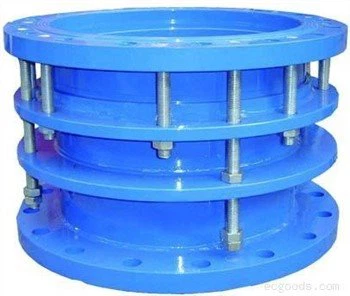
When it comes to gas pipelines, safety is of paramount importance. Dismantling joints play a crucial role in the installation, maintenance, and repair of these pipelines. As a reputable dismantling joint supplier, I understand the significance of adhering to strict safety requirements to ensure the reliable and secure operation of gas pipelines. In this blog post, I will delve into the key safety requirements for using a dismantling joint in a gas pipeline.
Material Selection
The first and foremost safety consideration is the selection of appropriate materials for the dismantling joint. Gas pipelines often carry flammable and potentially hazardous substances, so the materials used in the dismantling joint must be able to withstand the specific conditions of the gas being transported. Commonly used materials include high - strength steel, stainless steel, and ductile iron.
High - strength steel is a popular choice due to its excellent mechanical properties. It can withstand high pressure and stress, making it suitable for high - pressure gas pipelines. Stainless steel, on the other hand, offers corrosion resistance, which is essential when the gas contains corrosive elements or when the pipeline is installed in a corrosive environment. Ductile iron is also a viable option as it has good ductility and can absorb shock and vibration.
It is important to ensure that the materials meet relevant industry standards and specifications. For example, in the United States, the American Society for Testing and Materials (ASTM) provides a series of standards for metals used in pipeline applications. As a supplier, I always source materials from reliable manufacturers who can provide certification of compliance with these standards.
Pressure Rating
The pressure rating of the dismantling joint must be carefully matched to the operating pressure of the gas pipeline. Gas pipelines can operate at various pressures, ranging from low - pressure distribution lines to high - pressure transmission lines. Using a dismantling joint with an inappropriate pressure rating can lead to catastrophic failures, such as leaks or ruptures.
When selecting a dismantling joint, it is necessary to consider not only the normal operating pressure but also the maximum pressure that the pipeline may experience during transient conditions, such as start - up, shut - down, or emergency situations. The pressure rating of the dismantling joint should be higher than the maximum expected pressure to provide a safety margin.
For instance, if a gas pipeline has a normal operating pressure of 100 psi and a maximum transient pressure of 150 psi, the dismantling joint should have a pressure rating of at least 150 psi or higher. As a supplier, I always provide detailed pressure rating information for each of my products to help customers make the right choice.
Sealing Performance
A reliable seal is essential to prevent gas leakage from the pipeline. The sealing performance of the dismantling joint depends on several factors, including the design of the sealing elements, the quality of the sealing materials, and the installation process.
The most common sealing elements in dismantling joints are gaskets. Gaskets are typically made of materials such as rubber, graphite, or PTFE (polytetrafluoroethylene). Rubber gaskets are suitable for low - pressure applications and can provide a good seal against a variety of gases. Graphite gaskets are known for their high - temperature resistance and are often used in high - pressure and high - temperature pipelines. PTFE gaskets offer excellent chemical resistance and are suitable for pipelines carrying corrosive gases.
Proper installation of the gaskets is crucial to ensure a tight seal. The gasket must be correctly positioned between the flanges of the dismantling joint, and the bolts must be tightened evenly to the specified torque. Over - tightening or uneven tightening of the bolts can damage the gasket and lead to leakage. As a supplier, I provide installation instructions and torque specifications for all my products to ensure proper installation.
Installation and Maintenance
The installation and maintenance of the dismantling joint also play a vital role in ensuring safety. During installation, it is important to follow the manufacturer's instructions carefully. The pipeline should be properly aligned before installing the dismantling joint to avoid excessive stress on the joint. The bolts should be tightened gradually and evenly to prevent distortion of the flanges.
Regular maintenance is necessary to detect and address any potential safety issues. This includes inspecting the dismantling joint for signs of wear, corrosion, or damage, checking the tightness of the bolts, and replacing the gaskets if necessary. Maintenance personnel should be trained in the proper inspection and maintenance procedures to ensure the safety of the pipeline.
Compatibility with Other Pipeline Components
The dismantling joint must be compatible with other components in the gas pipeline system, such as valves, pumps, and pipes. Compatibility issues can lead to problems such as leaks, vibration, and premature failure of the components.
For example, the flange size and bolt pattern of the dismantling joint must match those of the adjacent pipeline components. If the flange sizes do not match, it may be necessary to use adapters, which can introduce additional potential leak points. Additionally, the material compatibility between the dismantling joint and other components should be considered to avoid galvanic corrosion.
Safety Standards and Regulations
Compliance with safety standards and regulations is non - negotiable in the gas pipeline industry. There are various national and international standards that govern the design, manufacture, installation, and use of pipeline components, including dismantling joints.
In the United States, the Pipeline and Hazardous Materials Safety Administration (PHMSA) regulates the safety of gas pipelines. The American National Standards Institute (ANSI) and the American Society of Mechanical Engineers (ASME) also provide standards for pipeline components. Internationally, the International Organization for Standardization (ISO) has developed a series of standards for pipeline systems.
As a supplier, I ensure that all my products comply with relevant safety standards and regulations. I also keep up - to - date with any changes in these standards to ensure that my products continue to meet the highest safety requirements.
Training and Education
Proper training and education of the personnel involved in the installation, operation, and maintenance of the gas pipeline are essential for safety. This includes training on the correct use of the dismantling joint, understanding of the safety requirements, and emergency response procedures.
As a supplier, I offer training programs for my customers to help them understand the features and safety requirements of my products. These training programs can be conducted on - site or online, depending on the customer's needs.
Conclusion
In conclusion, using a dismantling joint in a gas pipeline requires strict adherence to a series of safety requirements. From material selection and pressure rating to sealing performance and installation, every aspect must be carefully considered to ensure the safe and reliable operation of the pipeline.
As a [Your Position] at [Your Company], I am committed to providing high - quality dismantling joints that meet the highest safety standards. If you are in the market for a reliable dismantling joint for your gas pipeline project, I encourage you to [Invitation to Contact for Purchase Negotiation]. I am confident that my products and services will meet your needs and help you ensure the safety of your gas pipeline system.
If you want to explore more related products, you can check out our Flange Pipe Expansion Joint and Double Flange Expansion Joint on our website.


References
- American Society for Testing and Materials (ASTM) standards.
- Pipeline and Hazardous Materials Safety Administration (PHMSA) regulations.
- American National Standards Institute (ANSI) and American Society of Mechanical Engineers (ASME) standards.
- International Organization for Standardization (ISO) standards.