Can gate valves be used in fire - protection systems?
As a gate valve supplier, I've encountered numerous inquiries regarding the suitability of gate valves in fire - protection systems. This topic is of great significance as fire - protection systems are crucial for safeguarding lives and property. In this blog, I'll explore whether gate valves can be used in fire - protection systems, delving into their advantages, limitations, and key considerations.
Advantages of Gate Valves in Fire - Protection Systems
1. Full Flow Capacity
One of the primary benefits of gate valves is their ability to provide unobstructed flow when fully open. Gate valves have a straight - through design, which means that when the gate is fully retracted, the bore of the valve is the same size as the pipeline. This allows for maximum water flow, which is essential in fire - protection systems where large volumes of water need to be delivered quickly to suppress fires. For instance, in a large industrial building fire, a gate valve can ensure that an adequate amount of water reaches the sprinkler systems or fire hydrants without significant pressure drop.
2. Low Pressure Drop
Due to their straight - through design, gate valves have a relatively low pressure drop compared to some other types of valves. In fire - protection systems, maintaining proper water pressure is critical for the effective operation of sprinklers and other fire - fighting equipment. A low - pressure drop gate valve helps to ensure that the water pressure remains stable throughout the system, enabling the fire - suppression equipment to function optimally.
3. Reliability
Gate valves are known for their reliability. They have a simple design with few moving parts, which reduces the likelihood of mechanical failure. In a fire - protection system, reliability is of utmost importance as any valve failure could potentially lead to a delay in water delivery and compromise the effectiveness of the fire - suppression efforts. Gate valves can withstand high pressures and are less prone to wear and tear, making them a durable choice for long - term use in fire - protection applications.
4. Isolation Capability
Gate valves are excellent for isolating sections of a pipeline. In a fire - protection system, it may be necessary to isolate certain areas for maintenance or in case of a system malfunction. A gate valve can be fully closed to stop the flow of water, allowing maintenance personnel to work safely on a specific part of the system without affecting the rest of the fire - protection infrastructure.
Limitations of Gate Valves in Fire - Protection Systems
1. Slow Operation
One of the main drawbacks of gate valves is their relatively slow operation. Opening or closing a gate valve typically requires multiple turns of the handwheel, which can take a significant amount of time. In an emergency situation where quick response is crucial, such as a sudden fire outbreak, the slow operation of a gate valve may delay the activation of the fire - protection system.
2. Limited Throttling Ability
Gate valves are not designed for throttling applications. When a gate valve is partially open, the gate can vibrate and cause excessive wear on the valve seat and gate itself. This can lead to leakage and reduced valve performance over time. In fire - protection systems, there may be situations where some degree of flow control is required, but gate valves are not well - suited for this purpose.
3. Potential for Cavitation
In some cases, gate valves can be prone to cavitation, especially when the valve is partially open and there is a significant pressure difference across the valve. Cavitation occurs when the pressure of the liquid drops below its vapor pressure, causing the formation of vapor bubbles. These bubbles can collapse and cause damage to the valve components, leading to reduced valve life and potential system failures.
Key Considerations for Using Gate Valves in Fire - Protection Systems
1. Valve Location
The location of the gate valve in the fire - protection system is crucial. It should be easily accessible for maintenance and operation. In addition, it should be installed in a location where it is protected from physical damage and environmental factors that could affect its performance. For example, valves should not be installed in areas prone to flooding or where they could be accidentally struck by moving equipment.
2. Regular Maintenance
Regular maintenance is essential to ensure the proper functioning of gate valves in fire - protection systems. This includes inspecting the valve for leaks, checking the condition of the gate and seat, and lubricating the valve stem. Maintenance schedules should be established and followed strictly to prevent valve failures.
3. Compatibility with Other System Components
Gate valves must be compatible with other components of the fire - protection system, such as pipes, sprinklers, and fire pumps. The valve's size, pressure rating, and material should match the requirements of the overall system to ensure seamless operation.
4. Regulatory Compliance
Fire - protection systems are subject to strict regulations and standards. When using gate valves in these systems, it is important to ensure that the valves comply with all relevant codes and standards. This includes standards related to valve performance, materials, and installation.
Our Gate Valve Products for Fire - Protection Systems
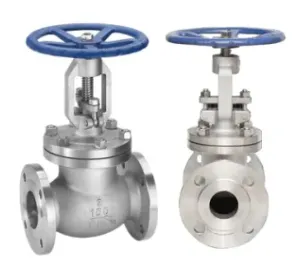
We offer a wide range of gate valves that are suitable for fire - protection systems. Our F4 Gate Valve F4 is designed with high - quality materials and advanced manufacturing techniques to provide reliable performance. It has a full - bore design, ensuring maximum water flow and low pressure drop.
Our Manufacturers Ductile Iron Resilient Flanged Gate Valve is another excellent choice. Made from ductile iron, it offers high strength and corrosion resistance. The resilient design of the valve seat helps to prevent leakage and ensures a tight seal.


For applications where a more robust valve is required, our Steel Square Gate is a great option. It is made from high - grade steel and can withstand high pressures and harsh environments.
Conclusion
In conclusion, gate valves can be used in fire - protection systems, but they have both advantages and limitations. Their full flow capacity, low pressure drop, reliability, and isolation capability make them a viable choice for many fire - protection applications. However, their slow operation, limited throttling ability, and potential for cavitation need to be carefully considered. By taking into account the key considerations such as valve location, regular maintenance, compatibility with other system components, and regulatory compliance, gate valves can be effectively used to enhance the performance and reliability of fire - protection systems.
If you are interested in our gate valve products for your fire - protection system, please feel free to contact us for more information and to discuss your specific requirements. We are committed to providing high - quality gate valves and excellent customer service to meet your needs.
References
- ASME B16.34 - Valves - Flanged, Threaded, and Welded End
- NFPA 13 - Standard for the Installation of Sprinkler Systems
- API 600 - Steel Gate, Globe, and Check Valves