Hey there! As a supplier of rubber elbows, I often get asked about the tear resistance of these nifty little components. So, I thought I'd take a deep dive into the topic and share what I know.
First off, let's talk about what rubber elbows are and where they're used. Rubber elbows are flexible connectors made from rubber materials. They're commonly used in piping systems to absorb vibrations, accommodate movement, and reduce noise. You can find them in all sorts of industries, like HVAC, plumbing, and industrial manufacturing.
Now, the big question: do rubber elbows have good tear resistance? Well, the answer isn't a simple yes or no. It depends on a few factors, like the type of rubber used, the design of the elbow, and the conditions it's exposed to.
Let's start with the type of rubber. There are several types of rubber that can be used to make rubber elbows, each with its own properties. For example, natural rubber is known for its high elasticity and good tear resistance. It can withstand a fair amount of stretching and pulling without tearing. On the other hand, synthetic rubbers like neoprene, EPDM, and nitrile also have their own advantages. Neoprene is resistant to oil, chemicals, and weathering, while EPDM is great for outdoor applications because it's resistant to UV rays and ozone. Nitrile rubber, on the other hand, is known for its excellent oil and fuel resistance.
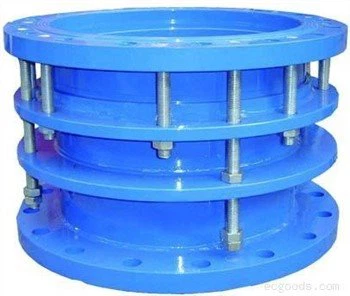
The design of the rubber elbow also plays a crucial role in its tear resistance. A well - designed rubber elbow will have a uniform wall thickness and proper reinforcement. Reinforcement can come in the form of fabric layers or cords embedded within the rubber. These reinforcements help distribute the stress evenly across the elbow, reducing the risk of tearing. For instance, if you look at a Double Flange Expansion Joint, the design is optimized to handle movement and stress, which in turn affects its tear resistance. Similarly, a Flange Pipe Expansion Joint is engineered to provide flexibility while maintaining its integrity.
The conditions the rubber elbow is exposed to are another important factor. If the elbow is used in a high - pressure environment, it will be under more stress and will require better tear resistance. For example, in a hydraulic system where the pressure can be quite high, the rubber elbow needs to be able to withstand the force without tearing. Temperature also matters. Extreme temperatures, either hot or cold, can affect the rubber's properties. In very cold temperatures, rubber can become brittle and more prone to tearing, while in high - temperature environments, it can start to degrade over time, reducing its tear resistance.
To test the tear resistance of rubber elbows, manufacturers use a variety of methods. One common test is the tear strength test, where a sample of the rubber is pulled until it tears, and the force required to tear it is measured. This gives an indication of how strong the rubber is and how well it can resist tearing. Another test is the flexing test, where the rubber elbow is bent and flexed repeatedly to simulate real - world usage. If the elbow can withstand a large number of flexing cycles without tearing, it's a good sign that it has good tear resistance.
As a supplier, I've seen firsthand the importance of tear resistance in rubber elbows. In many projects, a torn rubber elbow can lead to leaks, which can cause all sorts of problems. For example, in a plumbing system, a leaky rubber elbow can result in water damage to the surrounding area. In an industrial setting, it can lead to the loss of valuable fluids or even pose a safety hazard.
So, how can you ensure that the rubber elbows you're using have good tear resistance? Well, first of all, choose a reputable supplier. A good supplier will use high - quality rubber materials and have strict quality control measures in place. They'll also be able to provide you with information about the tear resistance of their products, including test results if available.
When selecting a rubber elbow, consider the application. If it's going to be used in a high - stress environment, look for elbows with extra reinforcement or made from a rubber type known for its high tear resistance. Also, make sure to follow the manufacturer's installation and maintenance guidelines. Proper installation can prevent unnecessary stress on the elbow, and regular maintenance can help detect any signs of wear or damage early on.
In conclusion, rubber elbows can have good tear resistance, but it depends on multiple factors. By understanding these factors and taking the right steps, you can choose rubber elbows that will perform well and last a long time.
If you're in the market for rubber elbows and want to discuss your specific needs, I'd love to have a chat. Whether you're working on a small plumbing project or a large industrial installation, I can help you find the right rubber elbows with the tear resistance you need. Don't hesitate to reach out and start the conversation.


References
- ASTM D624 - Standard Test Method for Tear Strength of Conventional Vulcanized Rubber and Thermoplastic Elastomers
- ISO 34 - 1:2015 - Rubber, vulcanized or thermoplastic — Determination of tear strength