As a seasoned supplier of rubber elbows, I've witnessed firsthand the diverse applications and critical importance of these components in various industries. Rubber elbows are essential pipe fittings that offer flexibility and durability, making them a popular choice for a wide range of piping systems. In this blog post, I'll delve into the design features of rubber elbows, exploring how they contribute to their functionality and performance.
Material Composition
One of the key design features of rubber elbows is their material composition. Rubber elbows are typically made from high-quality synthetic rubber compounds, such as EPDM (Ethylene Propylene Diene Monomer), NBR (Nitrile Butadiene Rubber), or Neoprene. These materials are chosen for their excellent resistance to chemicals, abrasion, and weathering, ensuring long-lasting performance in harsh environments.
EPDM is a popular choice for rubber elbows due to its outstanding resistance to ozone, sunlight, and weathering. It also has good chemical resistance, making it suitable for use in a variety of applications, including water treatment, HVAC systems, and industrial piping. NBR, on the other hand, is known for its excellent oil and fuel resistance, making it ideal for use in automotive and industrial applications where exposure to oils and fuels is common. Neoprene offers a good balance of chemical resistance, weatherability, and mechanical properties, making it a versatile choice for a wide range of applications.
Flexibility and Movement Absorption
Another important design feature of rubber elbows is their flexibility. Rubber elbows are designed to provide a high degree of flexibility, allowing them to absorb movement and vibration in piping systems. This flexibility helps to reduce stress on the pipes and fittings, preventing damage and extending the lifespan of the system.
The flexibility of rubber elbows is achieved through their unique design, which typically includes a corrugated or bellows-like structure. This structure allows the elbow to bend and flex in multiple directions, accommodating movement caused by thermal expansion and contraction, seismic activity, or equipment vibration. The ability to absorb movement and vibration helps to prevent leaks, reduce noise and vibration, and improve the overall performance of the piping system.
Pressure and Temperature Resistance
Rubber elbows are designed to withstand a wide range of pressures and temperatures, making them suitable for use in a variety of applications. The pressure and temperature resistance of rubber elbows depend on several factors, including the material composition, wall thickness, and design of the elbow.
Most rubber elbows are rated for a maximum working pressure and temperature, which should be carefully considered when selecting an elbow for a specific application. It's important to choose an elbow that can withstand the maximum pressure and temperature conditions that the system will be exposed to, to ensure safe and reliable operation.
Flange Design
Many rubber elbows are designed with flanges, which provide a convenient and secure way to connect the elbow to other pipes and fittings. Flanges are typically made from metal, such as steel or cast iron, and are bolted or welded to the ends of the rubber elbow.
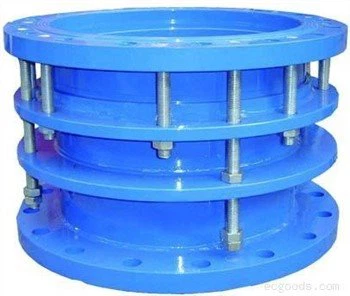
The flange design of rubber elbows can vary depending on the application and the type of connection required. Some common flange designs include Double Flange Expansion Joint and Flange Pipe Expansion Joint. Double flange expansion joints are designed to provide a flexible connection between two pipes, allowing for movement and vibration absorption. Flange pipe expansion joints are similar, but are typically used in applications where a more rigid connection is required.
Sealing Properties
Rubber elbows are designed to provide a tight and reliable seal, preventing leaks and ensuring the integrity of the piping system. The sealing properties of rubber elbows are achieved through the use of high-quality rubber materials and a precise manufacturing process.


The rubber material used in rubber elbows is typically formulated to have excellent sealing properties, ensuring a tight fit between the elbow and the pipes or fittings. The manufacturing process also plays an important role in ensuring the sealing properties of the elbow, as it must be carefully controlled to ensure that the elbow is properly shaped and sized.
Corrosion Resistance
Rubber elbows are highly resistant to corrosion, making them suitable for use in a variety of corrosive environments. The corrosion resistance of rubber elbows is due to the chemical properties of the rubber material, which is typically resistant to a wide range of chemicals and solvents.
In addition to their chemical resistance, rubber elbows are also designed to be resistant to rust and other forms of corrosion. This is achieved through the use of protective coatings or by selecting a rubber material that is inherently resistant to corrosion. The corrosion resistance of rubber elbows helps to ensure long-lasting performance and reliability in harsh environments.
Ease of Installation
Rubber elbows are relatively easy to install, making them a popular choice for a wide range of applications. The flexibility of the rubber material allows the elbow to be easily bent and positioned, making it easier to connect to other pipes and fittings.
In addition, many rubber elbows are designed with flanges or other connection methods that make installation even easier. Flanges can be bolted or welded to the pipes or fittings, providing a secure and reliable connection. Some rubber elbows also come with pre-installed gaskets or seals, further simplifying the installation process.
Cost-Effectiveness
Rubber elbows are a cost-effective solution for a wide range of piping applications. They are typically less expensive than metal elbows, and their long lifespan and low maintenance requirements help to reduce the overall cost of the system.
In addition, the flexibility and movement absorption capabilities of rubber elbows can help to reduce the need for expensive expansion joints and other components, further reducing the cost of the system. The ability to absorb movement and vibration also helps to prevent damage to the pipes and fittings, reducing the need for costly repairs and replacements.
Conclusion
In conclusion, the design features of rubber elbows make them a versatile and reliable choice for a wide range of piping applications. Their flexibility, movement absorption capabilities, pressure and temperature resistance, flange design, sealing properties, corrosion resistance, ease of installation, and cost-effectiveness make them an ideal solution for many industries, including water treatment, HVAC, automotive, and industrial manufacturing.
If you're in the market for rubber elbows or other pipe fittings, I encourage you to contact us to discuss your specific needs. Our team of experts can help you select the right products for your application and provide you with the support and guidance you need to ensure a successful installation. We look forward to working with you to meet your piping system needs.
References
- ASME B16.9 - Factory-Made Wrought Steel Buttwelding Fittings
- ASTM D2000 - Standard Classification System for Rubber Products in Automotive Applications
- ISO 2812 - Paints and Varnishes - Determination of Resistance to Liquids