Hey there! As a supplier of Bronze Butterfly Valves, I often get asked whether these valves can be used in HVAC systems. Well, let's dive right into it and find out.
First off, let's talk a bit about what HVAC systems are. HVAC stands for Heating, Ventilation, and Air Conditioning. These systems are crucial in maintaining a comfortable and healthy indoor environment, whether it's in a home, an office building, or an industrial facility. They control the temperature, humidity, and air quality, and valves play a vital role in regulating the flow of air and fluids within these systems.
Now, let's focus on bronze butterfly valves. A Bronze Butterfly Valve is a type of quarter - turn valve that uses a disk to control the flow of a fluid. The disk rotates around a shaft, and when it's perpendicular to the flow, it blocks the passage, and when it's parallel, it allows the fluid to pass through.
One of the main advantages of using bronze in butterfly valves is its excellent corrosion resistance. In HVAC systems, the fluids flowing through the pipes can be water, refrigerant, or a mixture of chemicals. These substances can be corrosive over time, and bronze can withstand this corrosion better than many other materials. This means that bronze butterfly valves have a longer lifespan, which is a big plus for HVAC system operators. They won't need to replace the valves as often, saving both time and money in the long run.
Another benefit is the strength of bronze. HVAC systems often operate under varying pressures. Whether it's a high - pressure refrigerant line or a low - pressure water circulation system, bronze can handle the stress. It's durable enough to maintain its shape and integrity even when subjected to constant pressure changes. This reliability is essential in HVAC systems, where any valve failure can lead to system malfunctions and costly repairs.
Bronze also has good thermal conductivity. In HVAC systems, temperature control is key. The ability of bronze to conduct heat helps in maintaining the desired temperature within the system. For example, in a chilled water system, the bronze valve can transfer heat away from the cold water, preventing any unwanted heat gain and ensuring efficient operation.


Now, let's look at some specific types of bronze butterfly valves that can be used in HVAC systems. The Groove End Butterfly Valve is a great option. The groove end design makes it easy to install and connect to the HVAC pipes. It provides a secure and leak - free connection, which is crucial in preventing any fluid leakage that could disrupt the system.
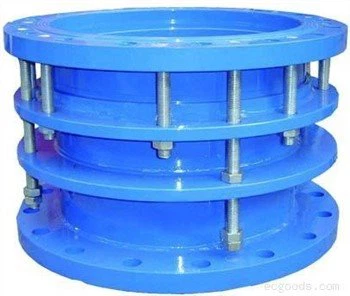
The Split Butterfly Valve, SS316 Disc, PN16, Lever Op is another interesting choice. The split design allows for easy maintenance. If there's an issue with the valve, it can be easily disassembled and repaired without having to remove the entire valve from the system. The SS316 disc provides additional corrosion resistance, especially in harsh HVAC environments where the fluid might be more aggressive.
However, there are also some considerations when using bronze butterfly valves in HVAC systems. One thing to keep in mind is the cost. Bronze is generally more expensive than some other valve materials like plastic or cast iron. But when you factor in the long - term benefits of corrosion resistance and durability, the higher upfront cost can be justified.
Another aspect is the weight. Bronze is heavier than some materials, and this might be a concern in some HVAC installations where weight is a limiting factor, such as in high - rise buildings where the overall weight of the system needs to be carefully managed.
In terms of compatibility, it's important to ensure that the bronze valve is compatible with the fluids in the HVAC system. Some chemicals or refrigerants might react with bronze over time, even though it has good corrosion resistance. So, it's always a good idea to consult with a HVAC engineer or a valve expert to make sure the valve is suitable for the specific application.
In conclusion, bronze butterfly valves can definitely be used in HVAC systems. Their corrosion resistance, strength, and thermal conductivity make them a great choice for regulating the flow of fluids in these systems. With the right type of bronze butterfly valve, such as the groove end or split design, HVAC system operators can enjoy reliable and efficient operation.
If you're in the market for bronze butterfly valves for your HVAC system, I'd love to have a chat with you. I can provide more detailed information about our products, answer any questions you might have, and help you choose the right valve for your specific needs. Whether it's a small residential HVAC system or a large industrial one, we've got the valves to meet your requirements. So, don't hesitate to reach out and start a conversation about your HVAC valve needs.
References:
- HVAC Systems Handbook: A comprehensive guide on the design, operation, and maintenance of HVAC systems.
- Valve Technology Magazine: Articles on different types of valves and their applications in various industries, including HVAC.
- Corrosion Resistance of Metals in HVAC Environments: Research papers on the performance of different metals, including bronze, in HVAC - related fluids.