Optimizing the performance of ANSI Gate Valves in a pipeline network is crucial for ensuring efficient and reliable operation. As a leading supplier of ANSI Gate Valves, I understand the importance of these components in various industrial applications. In this blog post, I will share some insights and strategies on how to optimize the performance of ANSI Gate Valves in a pipeline network.
Understanding ANSI Gate Valves
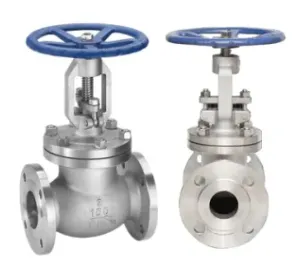
ANSI Gate Valves are designed to control the flow of fluids in a pipeline by raising or lowering a gate within the valve body. These valves are widely used in industries such as oil and gas, water treatment, power generation, and chemical processing. ANSI Gate Valves are known for their durability, reliability, and ability to provide a tight shut-off.
Factors Affecting ANSI Gate Valve Performance
Several factors can affect the performance of ANSI Gate Valves in a pipeline network. These factors include:
- Fluid Properties: The properties of the fluid flowing through the pipeline, such as viscosity, temperature, and corrosiveness, can have a significant impact on the performance of ANSI Gate Valves. For example, high-viscosity fluids may require larger valve sizes or special valve designs to ensure proper flow control.
- Pressure and Temperature: The pressure and temperature conditions in the pipeline can also affect the performance of ANSI Gate Valves. High-pressure applications may require valves with stronger materials and more robust designs to withstand the pressure. Similarly, high-temperature applications may require valves with heat-resistant materials and proper insulation to prevent damage to the valve components.
- Valve Design and Installation: The design and installation of ANSI Gate Valves can also affect their performance. Proper valve sizing, selection, and installation are essential to ensure optimal performance. For example, incorrect valve sizing can lead to flow restrictions, pressure drops, and premature valve failure.
- Maintenance and Inspection: Regular maintenance and inspection of ANSI Gate Valves are crucial for ensuring their long-term performance. Proper maintenance includes lubrication, cleaning, and replacement of worn or damaged components. Regular inspection can help detect potential problems early and prevent costly downtime.
Strategies for Optimizing ANSI Gate Valve Performance
To optimize the performance of ANSI Gate Valves in a pipeline network, the following strategies can be implemented:


- Proper Valve Selection: Selecting the right ANSI Gate Valve for the specific application is crucial for ensuring optimal performance. Consider factors such as fluid properties, pressure and temperature conditions, valve size, and flow requirements when selecting a valve. Consult with a valve expert or supplier to ensure that you choose the right valve for your application.
- Correct Valve Installation: Proper installation of ANSI Gate Valves is essential for ensuring their optimal performance. Follow the manufacturer's installation instructions carefully and ensure that the valve is installed in the correct orientation and position. Use proper gaskets, bolts, and fittings to ensure a tight seal and prevent leaks.
- Regular Maintenance and Inspection: Regular maintenance and inspection of ANSI Gate Valves are crucial for ensuring their long-term performance. Develop a maintenance schedule and perform regular lubrication, cleaning, and inspection of the valve components. Replace worn or damaged components as needed to prevent premature valve failure.
- Monitoring and Control: Monitoring the performance of ANSI Gate Valves in real-time can help detect potential problems early and prevent costly downtime. Use sensors and monitoring systems to measure parameters such as pressure, temperature, flow rate, and valve position. Implement a control system to adjust the valve operation based on the monitored data.
- Training and Education: Providing training and education to the personnel responsible for operating and maintaining ANSI Gate Valves is essential for ensuring their proper use and performance. Train the personnel on the correct operation, maintenance, and troubleshooting procedures for the valves. Provide them with the necessary tools and resources to perform their tasks effectively.
Related Products
In addition to ANSI Gate Valves, we also offer a wide range of other gate valves, including BS5163 Gate Valve BS5163, Bevel Gear Flanged Gate Valve Z541H, and Non Rising Stem Groove Resilient Gate Valve. These valves are designed to meet the specific requirements of different industries and applications.
Conclusion
Optimizing the performance of ANSI Gate Valves in a pipeline network is essential for ensuring efficient and reliable operation. By understanding the factors affecting valve performance and implementing the strategies outlined in this blog post, you can improve the performance of your ANSI Gate Valves and reduce the risk of downtime and costly repairs. As a leading supplier of ANSI Gate Valves, we are committed to providing our customers with high-quality products and excellent customer service. If you have any questions or need assistance with optimizing the performance of your ANSI Gate Valves, please feel free to contact us. We look forward to working with you to meet your valve needs.
References
- ASME B16.34 - Valves - Flanged, Threaded, and Welding End
- API 600 - Steel Gate Valves - Flanged and Butt - Welding Ends, Bolted Bonnet
- ISO 5208 - Industrial Valves - Pressure Testing of Valves