Can gate valves be used in steam systems? This is a question that often arises in the industrial sector, especially among those involved in steam system design, operation, and maintenance. As a gate valve supplier, I've encountered this query numerous times, and I'm here to provide a comprehensive answer based on scientific knowledge and practical experience.
Understanding Steam Systems
Before delving into the suitability of gate valves in steam systems, it's essential to understand the characteristics of steam systems. Steam is a high - energy fluid that can operate at various pressures and temperatures. In industrial applications, steam systems are used for power generation, heating, and process applications. The key factors in steam systems include high temperature, high pressure, and the potential for water hammer. Water hammer occurs when the flow of steam is suddenly stopped or changed, causing a shock wave in the system that can damage pipes and valves.

Characteristics of Gate Valves
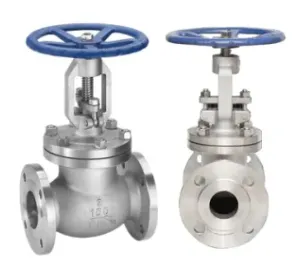
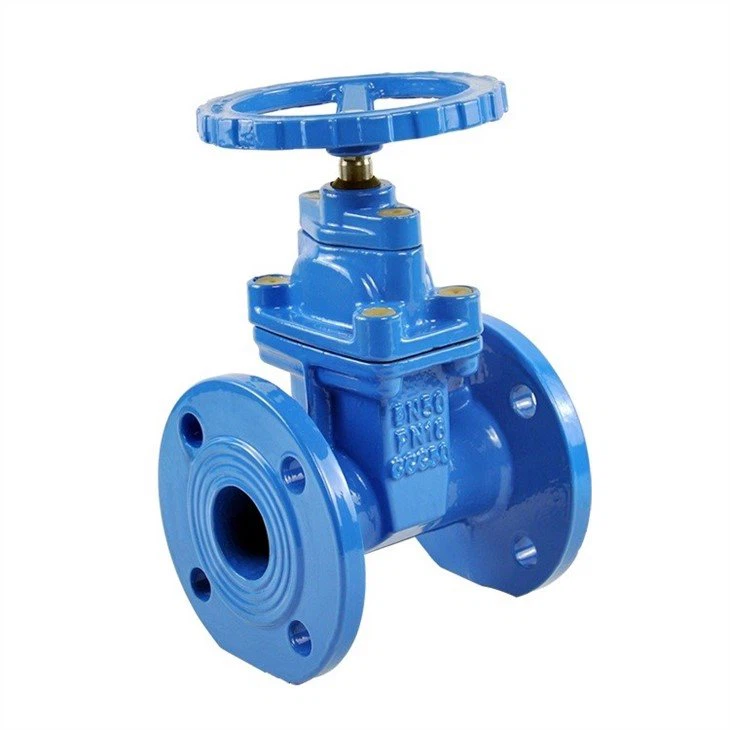
Gate valves are a type of linear motion valve that use a gate (a flat or wedge - shaped disc) to control the flow of fluid. When the gate is fully raised, the valve is fully open, allowing unobstructed flow. When the gate is fully lowered, the valve is fully closed, blocking the flow. Gate valves are known for their low pressure drop when fully open, which makes them suitable for applications where a straight - through flow path is required.
Suitability of Gate Valves in Steam Systems
Advantages
- Low Pressure Drop: In steam systems, minimizing pressure drop is crucial for efficient operation. Gate valves offer a nearly unobstructed flow path when fully open, which means that the pressure loss across the valve is minimal. This is beneficial for maintaining the energy efficiency of the steam system.
- Full - Open/Full - Closed Operation: Gate valves are typically used for on - off applications. In steam systems, there are many instances where a simple on - off control of steam flow is required, such as isolating sections of the system for maintenance or starting/stopping the steam supply to a particular process.
- Versatility: Gate valves can be designed to handle a wide range of pressures and temperatures, making them suitable for different types of steam systems, from low - pressure heating systems to high - pressure power generation systems.
Disadvantages
- Slow Operation: Gate valves have a relatively slow opening and closing time compared to some other types of valves, such as ball valves. In steam systems where rapid flow control is required, this can be a drawback. For example, in emergency shutdown situations, a slow - closing gate valve may not be able to stop the steam flow quickly enough.
- Susceptibility to Water Hammer: As mentioned earlier, water hammer is a potential issue in steam systems. Gate valves, especially when closed rapidly, can contribute to water hammer. The sudden stoppage of steam flow can create a shock wave that can damage the valve and other components in the system.
- Sealing Problems: In steam systems, maintaining a good seal is crucial to prevent steam leakage. Gate valves can sometimes have sealing issues, especially if the valve is not properly installed or maintained. Over time, the seat and gate of the valve can wear, leading to leakage.
Types of Gate Valves for Steam Systems
- BS5163 Gate Valve BS5163: This type of gate valve is designed according to the BS5163 standard. It is suitable for steam systems as it is engineered to handle the specific requirements of steam applications, such as high - temperature and high - pressure conditions. You can find more information about BS5163 Gate Valve BS5163.
- Non - stem Flanged Gate Valve Z45H: The Non - stem Flanged Gate Valve Z45H is another option for steam systems. It features a flanged connection, which provides a secure and reliable connection in the steam pipeline. The design of this valve also helps to minimize the risk of leakage. Check out Non stem Flanged Gate Valve Z45H for detailed product information.
- ANSI Gate Valve ANSI: ANSI gate valves are designed in accordance with the American National Standards Institute (ANSI) standards. They are widely used in steam systems in the United States and other countries that follow ANSI standards. These valves offer high - quality performance and reliability in steam applications. More details can be found at ANSI Gate Valve ANSI.
Considerations for Using Gate Valves in Steam Systems
- Proper Sizing: It is essential to select the correct size of the gate valve for the steam system. An undersized valve can cause excessive pressure drop, while an oversized valve can be more expensive and may not operate efficiently.
- Installation: Proper installation is crucial to ensure the reliable operation of gate valves in steam systems. The valve should be installed in the correct orientation, and all connections should be tightened properly to prevent leakage.
- Maintenance: Regular maintenance is necessary to keep gate valves in good working condition. This includes inspecting the valve for wear, lubricating the stem, and checking the seals.
Conclusion
In conclusion, gate valves can be used in steam systems, but their suitability depends on the specific requirements of the system. They offer advantages such as low pressure drop and full - open/full - closed operation, but also have disadvantages like slow operation and susceptibility to water hammer. By carefully considering the characteristics of the steam system and selecting the appropriate type of gate valve, it is possible to use gate valves effectively in steam applications.
If you are in the market for gate valves for your steam system, I invite you to reach out to discuss your specific needs. Our team of experts can help you select the right valve for your application and provide you with high - quality products and excellent customer service.
References
- "Valve Handbook", by J. E. Bailey
- "Steam Engineering Handbook", by A. S. Cromer