Selecting the right actuator for an ANSI Gate Valve is a critical decision that can significantly impact the valve's performance, efficiency, and overall functionality. As a trusted ANSI Gate Valve supplier, we understand the importance of this choice and are here to guide you through the process.
Understanding ANSI Gate Valves
ANSI Gate Valves are widely used in various industries due to their reliability and ability to provide a tight shut - off. These valves are designed according to the standards set by the American National Standards Institute (ANSI), ensuring compatibility and interchangeability. They are commonly used in applications where full flow or complete shut - off is required, such as in pipelines for water, oil, and gas.
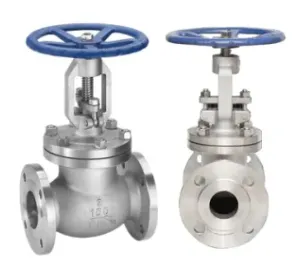
There are different types of ANSI Gate Valves, including Flat Gate Valve, Bevel Gear Flanged Gate Valve Z541H, and Manual Rising Stem Knife Gate Valves. Each type has its own unique features and applications, and the choice of actuator should be based on the specific requirements of the valve and the system in which it is installed.
Factors to Consider When Selecting an Actuator
1. Valve Size and Type
The size and type of the ANSI Gate Valve are the primary factors to consider when selecting an actuator. Larger valves typically require more torque to operate, so a more powerful actuator is needed. For example, a large - diameter flat gate valve may need a high - torque electric or hydraulic actuator to open and close smoothly. Different valve types also have different operating characteristics. A knife gate valve, for instance, may require a different type of actuator compared to a flanged gate valve due to its design and the nature of the media it handles.
2. Operating Conditions
The operating conditions of the valve, such as temperature, pressure, and the nature of the fluid or gas being handled, play a crucial role in actuator selection. In high - temperature environments, the actuator must be able to withstand the heat without losing its functionality. Similarly, in high - pressure applications, the actuator should be capable of generating sufficient force to operate the valve against the pressure. If the valve is handling corrosive fluids, the actuator materials should be corrosion - resistant to ensure long - term durability.
3. Actuation Speed
The required actuation speed depends on the application. In some processes, a fast - acting valve is necessary to respond quickly to changes in the system, such as in emergency shutdown situations. Electric actuators are often preferred for their relatively high actuation speed. On the other hand, in applications where a slow and controlled operation is required, a pneumatic or hydraulic actuator with adjustable speed settings may be more suitable.
4. Control Requirements
The control requirements of the valve system also influence actuator selection. If the valve needs to be operated remotely or integrated into an automated control system, an actuator with digital communication capabilities, such as a smart electric actuator, is a good choice. These actuators can be easily connected to a control panel or a distributed control system (DCS) for precise control and monitoring. In contrast, if the valve only needs to be operated manually on - site, a simple manual actuator may be sufficient.
5. Cost and Maintenance
Cost is always an important consideration in any engineering decision. The initial cost of the actuator, as well as its long - term maintenance requirements, should be taken into account. Electric actuators are generally more expensive upfront but may have lower maintenance costs over time. Pneumatic actuators are often more cost - effective initially but may require more frequent maintenance due to the presence of air - driven components. Hydraulic actuators can be very powerful but are also relatively expensive to install and maintain.
Types of Actuators for ANSI Gate Valves
1. Manual Actuators
Manual actuators are the simplest and most cost - effective option for operating ANSI Gate Valves. They are typically used in applications where the valve does not need to be operated frequently or where remote control is not required. Manual actuators include handwheels and chain wheels. Handwheels are commonly used for smaller valves, while chain wheels are used for larger valves where more leverage is needed.
2. Electric Actuators
Electric actuators are widely used in industrial applications due to their high precision, reliability, and ease of integration with control systems. They can be powered by either AC or DC electricity and can be programmed to operate at specific speeds and positions. Electric actuators are suitable for both small and large valves and are often used in applications where remote control and automation are required.
3. Pneumatic Actuators
Pneumatic actuators use compressed air to operate the valve. They are relatively inexpensive, lightweight, and have a fast actuation speed. Pneumatic actuators are commonly used in applications where a quick response is needed, such as in process control systems. However, they require a source of compressed air and may not be suitable for applications where air supply is limited or unreliable.


4. Hydraulic Actuators
Hydraulic actuators are capable of generating high forces and are suitable for large - scale and high - pressure applications. They use hydraulic fluid to transfer power and can provide precise control over the valve's movement. Hydraulic actuators are often used in heavy - duty industries, such as oil and gas, where large valves need to be operated against high pressures.
Case Studies
Let's take a look at some real - world examples to illustrate the importance of selecting the right actuator for ANSI Gate Valves.
In a water treatment plant, a large - diameter ANSI Gate Valve was installed to control the flow of water. Initially, a manual actuator was used, but due to the infrequent but difficult - to - operate nature of the valve, the operators faced challenges. After evaluating the situation, an electric actuator was installed. The electric actuator provided precise control, could be operated remotely, and reduced the physical effort required by the operators. As a result, the overall efficiency of the water treatment process improved.
In an oil refinery, a high - pressure pipeline required a reliable shut - off valve. A hydraulic actuator was selected for the ANSI Gate Valve in this application. The hydraulic actuator was able to generate sufficient force to operate the valve against the high pressure, and its precise control ensured a tight shut - off. This helped to prevent leaks and improve the safety of the refinery operations.
Conclusion
Selecting the right actuator for an ANSI Gate Valve is a complex but essential task. By considering factors such as valve size and type, operating conditions, actuation speed, control requirements, and cost and maintenance, you can make an informed decision. As an ANSI Gate Valve supplier, we have the expertise and experience to help you choose the most suitable actuator for your specific application.
If you are in the process of selecting an actuator for your ANSI Gate Valve or have any questions about our products, we encourage you to contact us for a detailed consultation. Our team of experts will be happy to assist you in making the right choice and ensuring the optimal performance of your valve system.
References
- ANSI Standards for Gate Valves. American National Standards Institute.
- Actuator Handbook. Various manufacturers' publications.
- Industrial Valve Application Guide. Industry - specific technical resources.