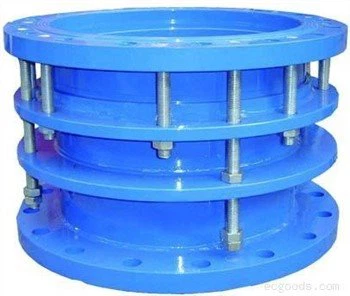
Hey there! As a supplier of dismantling joints, I've been getting a lot of questions lately about the role of gaskets in these joints. So, I thought I'd take a moment to break it down for you.
First off, let's talk about what a dismantling joint is. It's a type of pipe fitting that allows for easy disassembly and reassembly of pipes. This is super useful for maintenance, repairs, or when you need to make changes to your piping system. Now, gaskets play a crucial role in making these joints work effectively.
Sealing Function
The primary role of a gasket in a dismantling joint is to create a tight seal. When you connect two pipes using a dismantling joint, there's a small gap between the flanges. This gap needs to be sealed to prevent leaks. Gaskets are made from materials like rubber, cork, or metal, and they're designed to fill this gap and create a barrier against fluid or gas leakage.
For example, if you're dealing with a water supply system, a good gasket will ensure that no water seeps out of the joint. This not only saves water but also prevents damage to the surrounding area. In industrial settings, where you might be dealing with chemicals or high - pressure gases, a proper seal is even more critical. A leak could lead to environmental hazards, equipment damage, or even endanger the safety of workers.
Compensating for Imperfections
Another important role of gaskets is to compensate for any imperfections in the flanges. No matter how well the flanges are machined, there can still be small irregularities on their surfaces. These imperfections could prevent a perfect fit between the two flanges, leading to potential leaks.
Gaskets are flexible and can conform to these irregularities. When the bolts on the dismantling joint are tightened, the gasket gets compressed and fills in the small gaps and uneven areas on the flange surfaces. This ensures a uniform and reliable seal, even if the flanges aren't perfectly smooth or flat.
Absorbing Vibrations
Piping systems often experience vibrations due to the flow of fluids or the operation of nearby equipment. These vibrations can cause the joints to loosen over time, which can lead to leaks. Gaskets act as a shock absorber in this situation.
They can absorb the energy from the vibrations and prevent it from being transferred directly to the bolts and the joint itself. This helps to keep the joint intact and reduces the risk of loosening. For instance, in a pump system where there are significant vibrations, a well - chosen gasket can extend the life of the dismantling joint and reduce the need for frequent maintenance.
Different Types of Gaskets for Different Applications
There are several types of gaskets available, and the choice depends on the specific application of the dismantling joint.
Rubber Gaskets
Rubber gaskets are very common because they're flexible, easy to install, and relatively inexpensive. They're a great choice for low - pressure applications, such as in residential water supply systems. Rubber gaskets can also provide good resistance to water, oil, and some chemicals. However, they may not be suitable for high - temperature or high - pressure environments as they can degrade over time under these conditions.
Metal Gaskets
Metal gaskets, on the other hand, are much more durable and can withstand high temperatures and pressures. They're often used in industrial applications, such as in refineries or power plants. Metal gaskets can be made from materials like stainless steel, copper, or aluminum. They're less flexible than rubber gaskets but offer superior performance in extreme conditions.
Composite Gaskets
Composite gaskets combine the best of both worlds. They have a core made of a soft material, like rubber or cork, and are reinforced with a metal outer layer. This allows them to be flexible enough to conform to flange imperfections while also being able to withstand higher pressures and temperatures. Composite gaskets are commonly used in applications where there's a moderate level of pressure and temperature, such as in some industrial water or steam systems.
Our Range of Dismantling Joints and Gaskets
As a supplier, we offer a wide range of dismantling joints, along with the appropriate gaskets for different applications. We understand that each customer's needs are unique, so we work closely with you to ensure you get the right product.
If you're looking for a Flange Pipe Expansion Joint, we've got you covered. These joints are designed to handle thermal expansion and contraction in pipes, and we can provide the perfect gaskets to ensure a leak - free seal.
Our Double Flange Expansion Joint is another popular option. It offers additional flexibility and is suitable for more complex piping systems. And again, we'll make sure you get the right gaskets to match the joint's specifications.
Importance of Proper Installation
Even the best gaskets won't work effectively if they're not installed correctly. When installing a gasket in a dismantling joint, it's important to clean the flange surfaces thoroughly. Any dirt, debris, or old gasket material can prevent a proper seal.
The gasket should be centered correctly on the flange, and the bolts should be tightened evenly. Over - tightening the bolts can damage the gasket, while under - tightening can lead to leaks. We always provide detailed installation instructions with our products to help you get it right.
Conclusion
In conclusion, gaskets are an essential part of a dismantling joint. They provide the seal, compensate for imperfections, absorb vibrations, and come in different types to suit various applications. At our company, we're committed to providing high - quality dismantling joints and gaskets to meet your needs.


If you're in the market for a dismantling joint or need to replace the gaskets in your existing system, don't hesitate to reach out. We're here to help you make the right choice and ensure your piping system operates smoothly. Whether it's for a small residential project or a large industrial application, we've got the expertise and the products to get the job done.
Let's start a conversation about your requirements and find the perfect solution for you. Contact us today to discuss your needs and get a quote.
References
- "Pipe Fitting Handbook" - A comprehensive guide on pipe fittings and their components.
- Industry standards and specifications for gasket materials and performance.