Hey there! As a pipe fitting supplier, I often get asked if pipe fittings can be used in outdoor applications. Well, the short answer is yes, but there are a few things you need to consider. In this blog post, I'll break down the ins and outs of using pipe fittings outdoors, so you can make an informed decision for your next project.
Compatibility with Outdoor Conditions
First off, let's talk about the harsh realities of the great outdoors. The weather can be unpredictable, with extreme temperatures, high humidity, and exposure to UV rays. Not to mention, there's the risk of physical damage from things like debris, animals, or even human activity. So, when choosing pipe fittings for outdoor use, you need to make sure they can withstand these conditions.
Materials play a huge role in determining a fitting's durability. For instance, stainless steel is a popular choice because it's corrosion-resistant and can handle a wide range of temperatures. PVC is another option, especially for less demanding applications. It's lightweight, easy to install, and relatively inexpensive. However, PVC can become brittle over time when exposed to UV rays, so it might not be the best choice for long-term outdoor use.
Types of Pipe Fittings for Outdoor Use
There are several types of pipe fittings that are well-suited for outdoor applications. Here are some of the most common ones:
- Elbows and Tees: These are used to change the direction of the pipe or to create branches in the system. They're available in a variety of materials and angles, so you can find the perfect fit for your project.
- Couplings and Unions: These are used to connect two pipes together. Couplings are permanent connections, while unions allow for easy disassembly and reassembly.
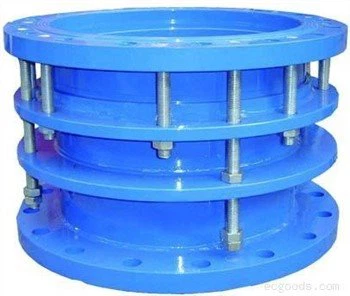
- Flanges: Flanges are used to connect pipes to other components, such as valves or pumps. They provide a strong, leak-proof connection and are often used in high-pressure applications. Check out our Flange Pipe Expansion Joint for more information.
- Expansion Joints: These are used to absorb movement and vibration in the pipe system. They're especially important in outdoor applications where temperature changes can cause the pipes to expand and contract. Our Double Flange Expansion Joint is a great option for this.
Installation and Maintenance
Proper installation is crucial when it comes to using pipe fittings outdoors. Make sure you follow the manufacturer's instructions carefully and use the right tools and materials. If you're not confident in your abilities, it's always a good idea to hire a professional.
Once the fittings are installed, regular maintenance is essential to keep them in good working condition. This includes inspecting the fittings for signs of damage or wear, cleaning them regularly, and tightening any loose connections. If you notice any problems, don't hesitate to replace the fitting before it causes a more serious issue.
Cost Considerations
When it comes to outdoor pipe fittings, cost is always a factor. While it might be tempting to go for the cheapest option, remember that quality is important. Investing in high-quality fittings upfront can save you money in the long run by reducing the need for repairs and replacements.
It's also a good idea to compare prices from different suppliers to make sure you're getting the best deal. Keep in mind that the cheapest option might not always be the best, so make sure you're considering the quality and durability of the fittings as well.


Conclusion
So, can you use pipe fittings in outdoor applications? Absolutely! With the right materials, proper installation, and regular maintenance, pipe fittings can provide a reliable and long-lasting solution for your outdoor plumbing needs.
If you're in the market for outdoor pipe fittings, I'd love to help. As a pipe fitting supplier, I have a wide range of products to choose from, and I can provide you with expert advice and support. Whether you're working on a small DIY project or a large commercial installation, I'm here to help you find the perfect solution.
Don't hesitate to reach out if you have any questions or if you'd like to discuss your project in more detail. I look forward to hearing from you and helping you with your pipe fitting needs.
References
- ASME B31.1: Power Piping Code
- ASTM Standards for Pipe Fittings
- Manufacturer's Installation and Maintenance Guides