Selecting the right gate valve is a crucial decision that can significantly impact the efficiency, safety, and longevity of your industrial or commercial systems. As a trusted gate valve supplier, we understand the complexities involved in this selection process. In this blog post, we'll guide you through the key factors to consider when choosing a gate valve, ensuring that you make an informed decision that meets your specific needs.
Understanding Gate Valves
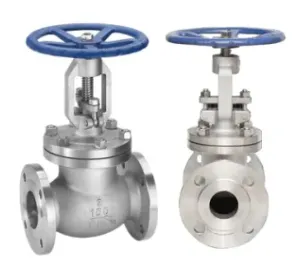
Before delving into the selection process, it's essential to have a basic understanding of gate valves. A gate valve is a linear motion valve used to start or stop the flow of fluid. It operates by raising or lowering a gate (a flat or wedge-shaped disc) into the flow path. When the gate is fully raised, there is minimal flow restriction, allowing for unobstructed passage of the fluid. Conversely, when the gate is fully lowered, it blocks the flow completely.
Gate valves are commonly used in various industries, including oil and gas, water treatment, power generation, and chemical processing. They are preferred for applications where a straight-line flow and minimal pressure drop are required.
Factors to Consider When Selecting a Gate Valve
1. Application Requirements
The first step in selecting a gate valve is to understand the specific requirements of your application. Consider the following aspects:
- Fluid Type: The type of fluid being handled is a critical factor. Different fluids have different properties, such as viscosity, corrosiveness, and temperature. For example, if you are dealing with a corrosive fluid, you'll need a gate valve made from materials that can resist corrosion, such as stainless steel or cast iron with a protective coating.
- Flow Rate: Determine the required flow rate of the fluid. This will help you select a gate valve with an appropriate size and flow capacity. A valve that is too small may cause excessive pressure drop and reduced flow, while a valve that is too large can be costly and may not provide accurate flow control.
- Pressure Rating: Consider the maximum pressure that the valve will be subjected to in your system. The valve's pressure rating should be higher than the maximum operating pressure to ensure safe and reliable operation.
2. Valve Design
There are several types of gate valve designs available, each with its own advantages and disadvantages. The most common designs include:
- Rising Stem vs. Non-Rising Stem: In a rising stem gate valve, the stem rises out of the valve as the gate is opened, providing a visual indication of the valve's position. This design is suitable for applications where visual inspection is required. Non-rising stem gate valves, on the other hand, have a stem that does not rise, making them ideal for applications with limited vertical space.
- Wedge Gate vs. Parallel Slide Gate: Wedge gate valves have a wedge-shaped gate that provides a tight seal when closed. They are commonly used in high-pressure applications. Parallel slide gate valves, on the other hand, have a parallel gate that slides between two seats, providing a more uniform seal. They are suitable for applications where a tight shut-off is not critical.
3. Material Selection
The choice of materials for the gate valve components is crucial for its performance and durability. Consider the following materials:
- Body Material: The body of the gate valve is typically made from materials such as cast iron, carbon steel, stainless steel, or bronze. The choice of body material depends on the application requirements, such as the fluid type, pressure, and temperature.
- Gate Material: The gate material should be able to withstand the wear and tear caused by the fluid flow and the opening and closing of the valve. Common gate materials include stainless steel, carbon steel, and cast iron.
- Seat Material: The seat material is responsible for providing a tight seal between the gate and the valve body. It should be resistant to wear, corrosion, and erosion. Common seat materials include rubber, PTFE, and metal.
4. Operating Conditions
The operating conditions of your system can also affect the selection of a gate valve. Consider the following factors:
- Temperature: The temperature of the fluid being handled can have a significant impact on the performance of the gate valve. High temperatures can cause the valve materials to expand, leading to leaks or reduced valve life. Make sure to select a valve that can withstand the maximum operating temperature of your system.
- Environment: The environment in which the valve will be installed can also affect its performance. If the valve is exposed to harsh environmental conditions, such as extreme temperatures, humidity, or corrosive gases, you'll need to select a valve with appropriate protection, such as a weatherproof enclosure or a corrosion-resistant coating.
5. Maintenance and Serviceability
Regular maintenance is essential to ensure the long-term performance and reliability of your gate valve. When selecting a valve, consider the ease of maintenance and serviceability. Look for valves that have easily accessible components, such as the stem, gate, and seats, and that can be easily disassembled and reassembled for maintenance or repair.
Our Gate Valve Products
As a leading gate valve supplier, we offer a wide range of high-quality gate valves to meet the diverse needs of our customers. Our product portfolio includes:
- Manual Rising Stem Knife Gate Valves: These valves are designed for applications where a tight shut-off is required, such as in the pulp and paper industry, wastewater treatment plants, and mining operations. They feature a rising stem design that provides a visual indication of the valve's position and a knife-shaped gate that can cut through fibrous materials.
- Rubber Seat Gate Valve: These valves are ideal for applications where a tight seal and low torque operation are required, such as in water supply systems, irrigation systems, and fire protection systems. They feature a rubber seat that provides a tight seal between the gate and the valve body, reducing the risk of leaks.
- Cast Iron Brass Sealed Rising Stem Gate Valves: These valves are suitable for applications where a reliable and cost-effective solution is required, such as in residential and commercial plumbing systems. They feature a cast iron body and a brass-sealed stem, providing excellent corrosion resistance and durability.
Conclusion
Selecting the right gate valve is a complex process that requires careful consideration of several factors, including application requirements, valve design, material selection, operating conditions, and maintenance and serviceability. By understanding these factors and working with a trusted gate valve supplier, you can ensure that you choose a valve that meets your specific needs and provides reliable and efficient performance for years to come.
If you have any questions or need assistance in selecting a gate valve for your application, please don't hesitate to contact us. Our team of experts is always ready to help you find the best solution for your needs.


References
- "Valve Handbook: Selection, Installation, and Troubleshooting," by Tom Isaksson
- "Piping and Pipeline Engineering: Design, Construction, Maintenance, Integrity, and Repair," by George A. Antaki