When it comes to industrial fluid control systems, ANSI Gate Valves are indispensable components, known for their reliability and efficiency in regulating the flow of various media. As a trusted supplier of ANSI Gate Valves, I am well - versed in the different valve stem types that these valves can feature. In this blog, we will explore the various valve stem types of ANSI Gate Valves, their characteristics, applications, and how they can meet your specific industrial needs.
Rising Stem (Outside Screw and Yoke - OS&Y)
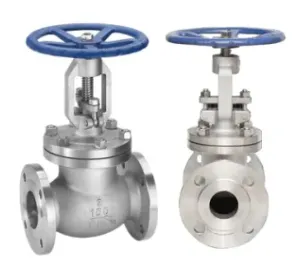
The Rising Stem, also known as the Outside Screw and Yoke (OS&Y) design, is one of the most common valve stem types for ANSI Gate Valves. In this design, the stem rises out of the valve as the valve is opened. The screw thread is located outside the valve body, and it is protected by a yoke.
Characteristics
- Visibility: One of the significant advantages of the OS&Y design is the visual indication of the valve position. Operators can easily determine whether the valve is open or closed by simply looking at the position of the stem. If the stem is extended, the valve is open; if it is retracted, the valve is closed.
- Easy Maintenance: Since the screw thread is outside the valve body, it is easily accessible for lubrication and maintenance. This reduces the risk of thread damage due to the media flowing through the valve.
- Corrosion Resistance: The exposed stem can be made of corrosion - resistant materials, which is particularly useful in environments where the media or the surrounding atmosphere is corrosive.
Applications
The OS&Y design is widely used in applications where visual indication of valve position is crucial, such as in water treatment plants, fire protection systems, and general industrial piping systems. For example, in a water treatment plant, operators need to quickly and accurately determine the status of the valves to ensure the proper flow of water through the treatment process.
Non - Rising Stem (Inside Screw)
The Non - Rising Stem, or Inside Screw design, is another popular valve stem type for ANSI Gate Valves. In this design, the stem does not rise out of the valve as it is opened or closed. Instead, the gate moves up and down along the stem, which is threaded inside the valve body.
Characteristics
- Space Saving: The non - rising stem design requires less vertical space compared to the OS&Y design. This makes it suitable for applications where space is limited, such as in underground piping systems or in areas with low overhead clearance.
- Compact Design: The compact nature of the non - rising stem valve makes it easier to install in tight spaces. It also reduces the risk of damage to the stem from external factors, as the stem is protected inside the valve body.
- Less Prone to Contamination: Since the stem is inside the valve body, it is less likely to be contaminated by dirt, dust, or other external substances.
Applications
Non - rising stem valves are commonly used in applications where space is a constraint, such as in buried pipelines for oil and gas transmission, or in building plumbing systems where the valves are installed in crawl spaces or basements.
Flexible Wedge Stem
The Flexible Wedge Stem design is used in gate valves where the gate is made of a flexible material. The stem is connected to the flexible gate, which can adapt to minor irregularities in the valve seat.
Characteristics
- Good Sealing Performance: The flexible wedge can conform to the shape of the valve seat, providing a tight seal even when there are slight variations in the seat surface. This results in better shut - off performance and reduced leakage.
- Shock Absorption: The flexibility of the wedge can absorb shocks and vibrations caused by the flow of the media, which helps to extend the service life of the valve.
- Suitability for Different Media: The flexible wedge design can be used with a wide range of media, including liquids, gases, and steam.
Applications
Flexible wedge stem gate valves are often used in applications where a reliable seal is required, such as in high - pressure steam systems, chemical processing plants, and power generation facilities. For instance, in a chemical processing plant, the flexible wedge valve can prevent the leakage of corrosive chemicals, ensuring the safety of the process and the environment.
Split Wedge Stem
The Split Wedge Stem design features a gate that is split into two halves. The stem is connected to the split gate, which can adjust to the valve seat independently.
Characteristics
- Self - Aligning: The split wedge can self - align with the valve seat, compensating for any misalignment or uneven wear. This ensures a tight seal and reduces the risk of leakage.
- Reduced Operating Torque: Compared to solid wedge valves, split wedge valves generally require less operating torque. This makes them easier to operate, especially in large - diameter valves.
- Good Resistance to Thermal Expansion: The split wedge design can accommodate thermal expansion and contraction of the valve components, which is important in applications where the temperature of the media varies significantly.
Applications
Split wedge stem gate valves are commonly used in applications where the media temperature fluctuates, such as in heating and cooling systems, and in some industrial processes where thermal cycling is involved.
Choosing the Right Valve Stem Type for Your Needs
As a supplier of ANSI Gate Valves, I understand that choosing the right valve stem type depends on several factors, including the application requirements, the characteristics of the media, and the available space.
If you need a valve with visual indication of position and easy maintenance, the Rising Stem (OS&Y) design is a good choice. For applications where space is limited, the Non - Rising Stem design is more suitable. If you require a valve with excellent sealing performance and shock absorption, the Flexible Wedge Stem design may be the best option. And if you need a valve that can compensate for thermal expansion and has reduced operating torque, the Split Wedge Stem design is worth considering.
We offer a wide range of ANSI Gate Valves with different valve stem types to meet your specific needs. For example, our Steel Square Gate and Steel Round Gate valves are available in various stem designs, providing reliable performance in different applications. Our Non stem Flanged Gate Valve Z45H is a non - rising stem valve that offers a compact and efficient solution for space - constrained applications.
If you are looking for high - quality ANSI Gate Valves, we are here to help. Our team of experts can assist you in selecting the right valve stem type and valve for your specific application. We can also provide detailed technical support and after - sales service. Contact us today to start the procurement negotiation process and find the perfect ANSI Gate Valve for your industrial needs.


References
- Crane Co., "Valve Handbook", 4th Edition
- Cameron International Corporation, "Gate Valve Technical Manual"
- Valves Magazine, various issues on gate valve technology