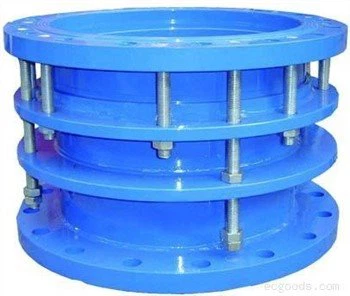
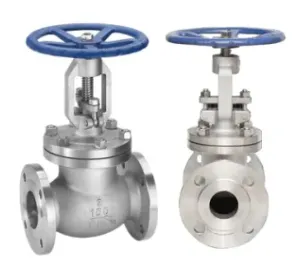
Globe valves play a crucial role in nuclear power plants, where safety, reliability, and precision are of utmost importance. As a leading globe valve supplier, I understand the unique requirements that these valves must meet to ensure the smooth and secure operation of nuclear facilities. In this blog post, I will delve into the key requirements for globe valves in a nuclear power plant, highlighting the features and specifications that are essential for this demanding environment.
Safety and Reliability
Safety is the top priority in nuclear power plants, and globe valves must be designed and manufactured to the highest safety standards. These valves are responsible for controlling the flow of various fluids, including coolant, steam, and radioactive materials, and any failure or malfunction could have catastrophic consequences. Therefore, globe valves in nuclear power plants must be highly reliable and capable of withstanding extreme conditions, such as high pressure, high temperature, and radiation.
To ensure safety and reliability, globe valves in nuclear power plants are typically designed with redundant features and fail-safe mechanisms. For example, many valves are equipped with multiple seals and gaskets to prevent leakage, and they may also have backup actuators or control systems in case of a primary failure. Additionally, these valves are often subjected to rigorous testing and inspection procedures to ensure that they meet all relevant safety standards and regulations.
Material Selection
The materials used in the construction of globe valves in nuclear power plants are carefully selected to withstand the harsh operating conditions and to prevent corrosion and contamination. The valve body, bonnet, and trim are typically made of high-quality stainless steel or other corrosion-resistant alloys, which can withstand high temperatures, pressures, and radiation without degrading. The valve seats and discs are also made of special materials, such as stellite or tungsten carbide, which provide excellent wear resistance and sealing performance.
In addition to corrosion resistance, the materials used in nuclear power plant globe valves must also be compatible with the fluids they will be handling. For example, valves used in the coolant system must be able to withstand the chemical and physical properties of the coolant, which may include high levels of radiation and corrosive chemicals. Similarly, valves used in the steam system must be able to withstand high temperatures and pressures without deforming or leaking.
Design and Performance
The design of globe valves in nuclear power plants is optimized for maximum performance and efficiency. These valves are typically designed with a streamlined flow path to minimize pressure drop and to ensure smooth and consistent flow control. The valve seats and discs are also designed to provide a tight seal, even under high pressure and temperature conditions, to prevent leakage and to ensure accurate flow control.
In addition to flow control, globe valves in nuclear power plants may also be required to perform other functions, such as isolation, throttling, and pressure relief. To meet these requirements, these valves are often equipped with special features, such as adjustable seats, throttling discs, and pressure relief valves. These features allow the valves to be customized to meet the specific needs of each application and to ensure optimal performance and safety.
Compliance with Standards and Regulations
Globe valves in nuclear power plants must comply with a wide range of standards and regulations, which are designed to ensure the safety and reliability of these valves. These standards and regulations cover various aspects of valve design, manufacturing, testing, and installation, and they are enforced by regulatory agencies, such as the Nuclear Regulatory Commission (NRC) in the United States.
To ensure compliance with these standards and regulations, globe valve suppliers must have a comprehensive quality management system in place. This system should include procedures for design review, material selection, manufacturing processes, testing and inspection, and documentation. Additionally, suppliers must be able to provide detailed documentation and certification to demonstrate that their valves meet all relevant standards and regulations.
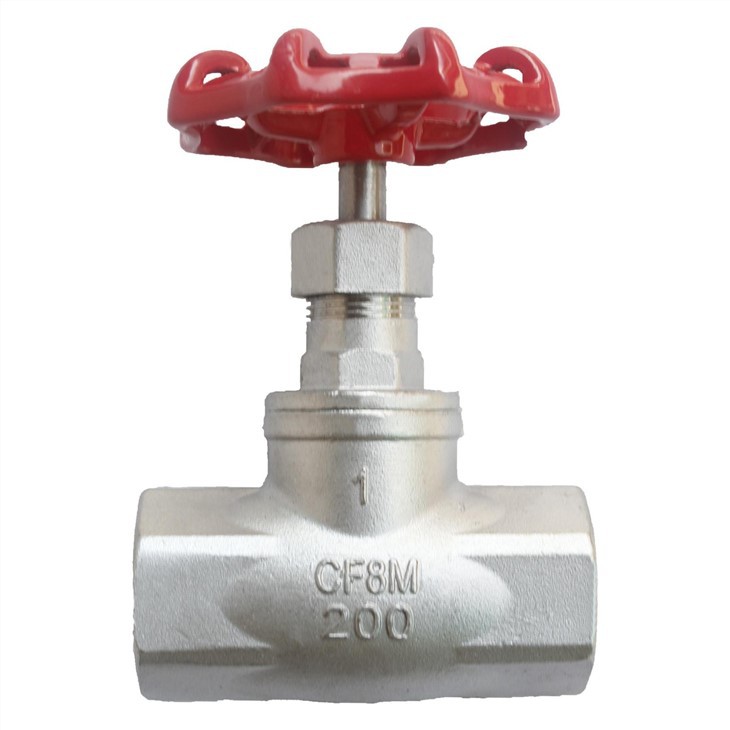
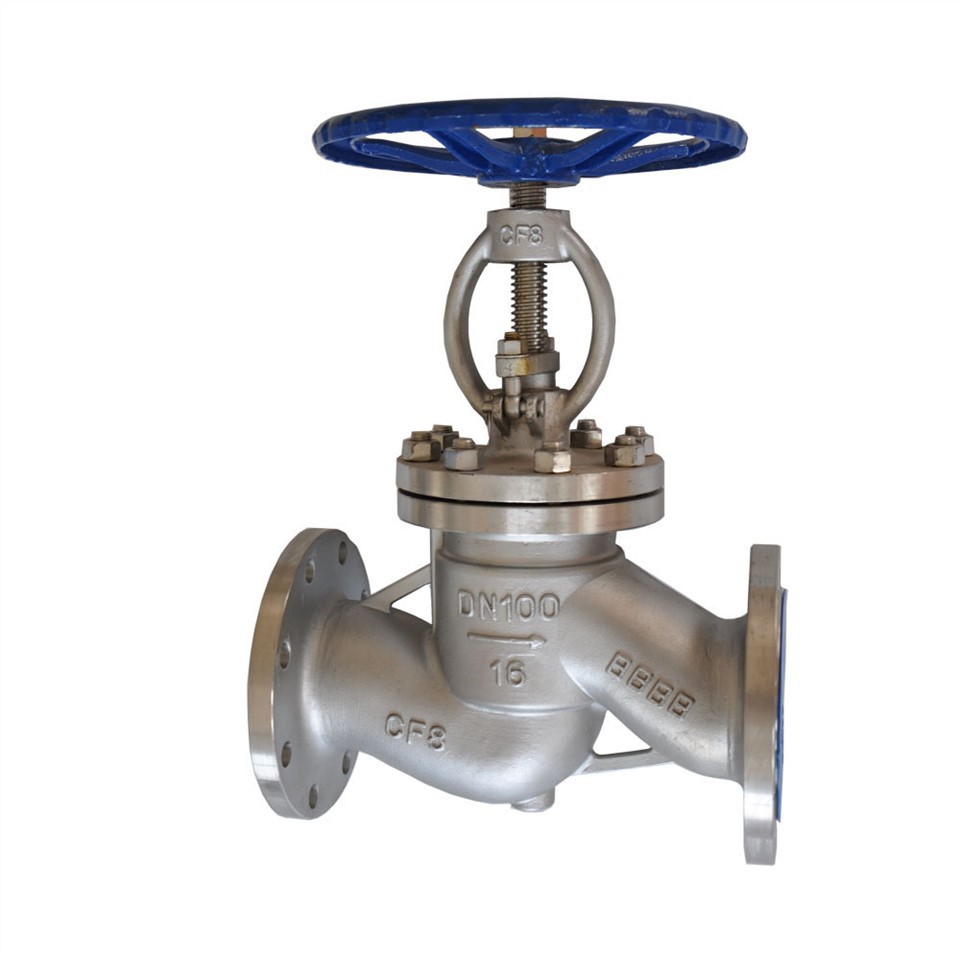
Our Globe Valve Offerings
As a leading globe valve supplier, we offer a wide range of high-quality globe valves that are specifically designed for use in nuclear power plants. Our valves are manufactured to the highest standards of quality and reliability, and they are available in a variety of sizes, materials, and configurations to meet the specific needs of each application.
Some of our popular globe valve products include the American Standard Manual Globe Valve, which is designed for manual operation and provides reliable flow control in a variety of applications. We also offer the Stainless Steel Flanged Globe Valve, which is made of high-quality stainless steel and is suitable for use in high-pressure and high-temperature applications. Additionally, our Type B Screw Globe Valve is designed for use in applications where precise flow control is required, and it provides excellent sealing performance and durability.
Conclusion
In conclusion, globe valves play a critical role in the safe and reliable operation of nuclear power plants. These valves must meet a wide range of requirements, including safety, reliability, material selection, design and performance, and compliance with standards and regulations. As a leading globe valve supplier, we understand the unique needs of the nuclear power industry, and we are committed to providing high-quality valves that meet or exceed all relevant standards and regulations.
If you are in the market for globe valves for your nuclear power plant, we encourage you to contact us to discuss your specific requirements. Our team of experts will work with you to understand your needs and to recommend the best valve solutions for your application. We look forward to the opportunity to serve you and to help you ensure the safety and reliability of your nuclear power plant.
References
- Nuclear Regulatory Commission (NRC). (Year). Regulatory Guide XXXX: Requirements for Globe Valves in Nuclear Power Plants.
- American Society of Mechanical Engineers (ASME). (Year). Boiler and Pressure Vessel Code, Section III: Rules for Construction of Nuclear Power Plant Components.
- International Organization for Standardization (ISO). (Year). ISO XXXX: Globally Accepted Standards for Valves in Nuclear Applications.