In the dynamic landscape of industrial filtration, the pulp and paper mills stand as a critical sector with unique requirements. As a supplier of PN16 Y Type Filters, I am often asked whether these filters can be effectively used in pulp and paper mills. In this blog, I will delve into the characteristics of PN16 Y Type Filters and explore their suitability for the specific needs of pulp and paper manufacturing processes.
Understanding PN16 Y Type Filters
Before we assess their applicability in pulp and paper mills, let's first understand what PN16 Y Type Filters are. The "PN16" refers to the pressure rating of the filter, indicating that it is designed to withstand a nominal pressure of 16 bar. This pressure rating is crucial as it determines the filter's ability to operate safely and efficiently under specific pressure conditions.
The "Y Type" design is characterized by its shape, which resembles the letter "Y". This design allows for a more efficient flow of fluid through the filter. The fluid enters the filter from the inlet, passes through a screen or mesh that traps contaminants, and then exits through the outlet. The Y-shaped configuration provides a larger surface area for the screen, which in turn increases the filter's dirt-holding capacity and reduces the frequency of cleaning or replacement.
PN16 Y Type Filters are available in various materials, including stainless steel (such as SS304 Screen Y Strainer SS304) and ductile iron (such as Ductile Iron Y Type Strainer Double Flange Water DIN/JIS/ASME/ASTM/GB). The choice of material depends on the specific application, including factors such as the type of fluid being filtered, the temperature, and the corrosiveness of the environment.
Requirements in Pulp and Paper Mills
Pulp and paper mills have a complex manufacturing process that involves the use of various fluids, including water, chemicals, and pulp suspensions. These fluids need to be filtered to remove contaminants such as fibers, debris, and foreign particles. The filtration process is crucial for maintaining the quality of the final product, protecting equipment from damage, and ensuring the efficiency of the manufacturing process.
One of the key requirements in pulp and paper mills is the ability to handle high flow rates. The large-scale production in these mills requires a continuous supply of filtered fluid, which means that the filters need to be able to process a significant volume of fluid without causing excessive pressure drop. Additionally, the filters need to be able to withstand the abrasive nature of the pulp suspensions, which can contain fibers and other solid particles that can cause wear and tear on the filter components.
Another important consideration is the chemical compatibility of the filter materials. The fluids used in pulp and paper mills often contain chemicals such as acids, alkalis, and bleaching agents, which can be corrosive to certain materials. Therefore, the filters need to be made of materials that are resistant to chemical attack to ensure long-term durability and performance.
Suitability of PN16 Y Type Filters in Pulp and Paper Mills
Based on the characteristics of PN16 Y Type Filters and the requirements of pulp and paper mills, these filters can be a suitable choice for many applications in this industry.
Flow Rate and Pressure Handling
The Y-shaped design of PN16 Y Type Filters provides a relatively low-pressure drop, which allows for high flow rates. This is essential for pulp and paper mills, where a continuous supply of filtered fluid is required to maintain the production process. The filters can be sized appropriately to handle the specific flow rates and pressure requirements of each application, ensuring efficient operation without causing excessive energy consumption.
Abrasion Resistance
The choice of materials for PN16 Y Type Filters can be tailored to withstand the abrasive nature of pulp suspensions. For example, stainless steel filters are highly resistant to abrasion and can effectively trap fibers and other solid particles without being damaged. The robust construction of these filters ensures long-term durability, even in harsh operating conditions.
Chemical Compatibility
As mentioned earlier, the fluids in pulp and paper mills can be corrosive due to the presence of chemicals. Stainless steel and other corrosion-resistant materials used in PN16 Y Type Filters are well-suited to handle these chemicals. They can resist the attack of acids, alkalis, and bleaching agents, ensuring that the filters maintain their integrity and performance over time.
Ease of Maintenance
The design of PN16 Y Type Filters allows for easy access to the screen or mesh, which makes cleaning and replacement a straightforward process. This is important in pulp and paper mills, where regular maintenance is required to ensure the continued efficiency of the filtration system. The ability to quickly and easily clean or replace the filter elements minimizes downtime and reduces the overall cost of operation.
Case Studies and Examples
To further illustrate the suitability of PN16 Y Type Filters in pulp and paper mills, let's look at some real-world examples.
In a large pulp and paper mill, a PN16 Y Type Filter made of stainless steel was installed in the water supply line to remove debris and particles. The filter was able to handle the high flow rate of water required for the production process, and its Y-shaped design provided a large surface area for effective filtration. The stainless steel material was resistant to corrosion from the chemicals present in the water, and the filter required minimal maintenance over a long period of time. As a result, the mill was able to maintain the quality of its products and protect its equipment from damage.

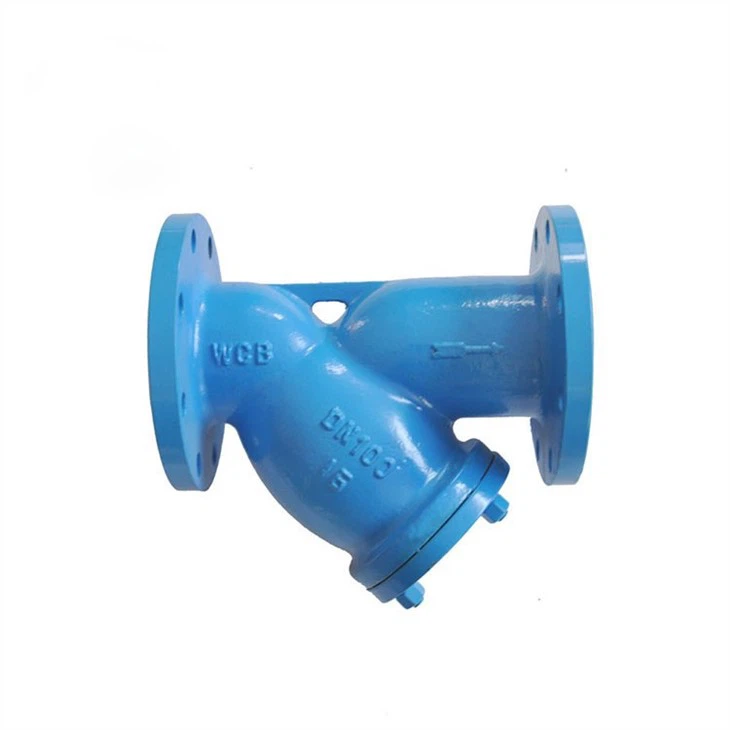
Another example is a paper mill that used a ductile iron PN16 Y Type Filter in a chemical dosing system. The filter was designed to remove contaminants from the chemical solution before it was added to the pulp suspension. The ductile iron material was strong enough to withstand the pressure and flow of the chemical solution, and its corrosion-resistant coating provided additional protection against the corrosive nature of the chemicals. The filter's efficient filtration performance ensured that the chemical dosing was accurate and consistent, which contributed to the quality of the final paper product.
Conclusion
In conclusion, PN16 Y Type Filters can be effectively used in pulp and paper mills. Their ability to handle high flow rates, resist abrasion and chemical corrosion, and provide easy maintenance makes them a suitable choice for many applications in this industry. Whether it is filtering water, chemicals, or pulp suspensions, these filters can help pulp and paper mills maintain the quality of their products, protect their equipment, and improve the efficiency of their manufacturing processes.
If you are in the pulp and paper industry and are looking for a reliable filtration solution, I encourage you to consider our PN16 Y Type Filters. We have a wide range of products available, and our team of experts can help you select the right filter for your specific needs. Contact us today to start a discussion about your filtration requirements and explore how our filters can benefit your operations.
References
- Perry, R. H., & Green, D. W. (Eds.). (2008). Perry's Chemical Engineers' Handbook. McGraw-Hill.
- Schweitzer, P. A. (2004). Handbook of Separation Techniques for Chemical Engineers. McGraw-Hill.
- Tchobanoglous, G., Burton, F. L., & Stensel, H. D. (2003). Wastewater Engineering: Treatment and Reuse. McGraw-Hill.