Can a parallel gate valve be used in a cryogenic application?
In the field of industrial fluid control, the selection of valves is a critical decision, especially when dealing with extreme conditions such as cryogenic applications. As a reputable supplier of parallel gate valves, I often encounter inquiries about the suitability of our products in cryogenic environments. In this blog post, I will delve into the technical aspects and considerations to address the question: Can a parallel gate valve be used in a cryogenic application?
Understanding Parallel Gate Valves
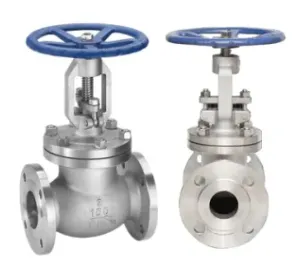
Before discussing their application in cryogenic environments, it's essential to understand the basic principles and characteristics of parallel gate valves. A parallel gate valve is a type of linear motion valve that uses a flat gate to control the flow of fluid. The gate moves perpendicular to the flow direction, either fully opening or closing the passageway. This design provides a straight-through flow path, minimizing pressure drop and allowing for high flow rates.
Parallel gate valves are known for their simplicity, reliability, and low maintenance requirements. They are commonly used in various industries, including oil and gas, power generation, and water treatment. However, their performance in cryogenic applications depends on several factors, such as material selection, design features, and operating conditions.
Cryogenic Applications and Their Challenges
Cryogenic applications involve the handling of fluids at extremely low temperatures, typically below -150°C (-238°F). These applications are common in industries such as liquefied natural gas (LNG), air separation, and superconductivity. Cryogenic fluids, such as liquid nitrogen, liquid oxygen, and LNG, pose unique challenges to valve design and operation.
One of the primary challenges in cryogenic applications is the extreme temperature difference between the fluid and the surrounding environment. This temperature difference can cause significant thermal contraction and expansion of the valve components, leading to leakage, distortion, and even failure. Additionally, cryogenic fluids can embrittle certain materials, reducing their strength and toughness.
Another challenge is the potential for ice formation and blockage within the valve. As the fluid cools, moisture in the air can condense and freeze on the valve surfaces, obstructing the flow and affecting the valve's performance. Therefore, valves used in cryogenic applications must be designed to prevent ice formation and ensure reliable operation under low-temperature conditions.
Suitability of Parallel Gate Valves for Cryogenic Applications
Despite the challenges posed by cryogenic applications, parallel gate valves can be used effectively in certain situations. However, several factors need to be considered to ensure their proper performance and reliability.
Material Selection
The choice of materials is crucial for parallel gate valves used in cryogenic applications. The valve body, gate, seat, and other components must be made of materials that can withstand the extreme cold without losing their mechanical properties. Common materials used for cryogenic valves include stainless steel, nickel alloys, and special cryogenic steels.


Stainless steel is a popular choice due to its excellent corrosion resistance and low-temperature toughness. Nickel alloys, such as Inconel and Monel, offer even higher strength and resistance to corrosion and oxidation. Special cryogenic steels are specifically designed for use at low temperatures and provide superior performance in terms of strength, toughness, and ductility.
Design Features
In addition to material selection, the design of the parallel gate valve also plays a crucial role in its suitability for cryogenic applications. The valve should be designed to minimize thermal stress and prevent ice formation. Some key design features to consider include:
- Insulation: The valve body and stem should be insulated to reduce heat transfer and prevent ice formation on the external surfaces.
- Expansion Joints: Expansion joints can be incorporated into the valve design to accommodate thermal contraction and expansion without causing damage to the valve components.
- Anti-icing Measures: Special coatings or heating elements can be applied to the valve surfaces to prevent ice formation and ensure smooth operation.
- Sealing Design: The valve seals should be designed to provide a tight seal at low temperatures and prevent leakage. Soft seals, such as PTFE or rubber, are commonly used in cryogenic valves due to their excellent sealing properties at low temperatures.
Operating Conditions
The operating conditions of the cryogenic application also need to be considered when selecting a parallel gate valve. Factors such as pressure, flow rate, and temperature fluctuations can affect the valve's performance and reliability. The valve should be selected based on the specific requirements of the application and tested to ensure its compatibility with the operating conditions.
For example, if the application involves high-pressure cryogenic fluids, the valve should be designed to withstand the pressure without leaking or failing. Similarly, if the application requires frequent cycling of the valve, the valve should be designed to withstand the mechanical stress and wear associated with repeated operation.
Our Parallel Gate Valve Solutions for Cryogenic Applications
As a leading supplier of parallel gate valves, we offer a range of products specifically designed for cryogenic applications. Our valves are manufactured using high-quality materials and advanced manufacturing techniques to ensure superior performance and reliability.
One of our popular products is the Cast Iron Brass Sealed Rising Stem Gate Valves. This valve features a cast iron body and brass seals, providing excellent corrosion resistance and sealing performance at low temperatures. The rising stem design allows for easy visual indication of the valve position and ensures reliable operation.
Another product in our portfolio is the F5 Gate Valve. This valve is designed for high-pressure cryogenic applications and features a robust design and advanced sealing technology. The F5 gate valve is available in a variety of sizes and materials to meet the specific requirements of different applications.
We also offer the Rising Stem Flanged Gate Valve Z41H, which is suitable for cryogenic applications in the oil and gas industry. This valve features a rising stem design and flanged connections, providing easy installation and maintenance. The Z41H gate valve is available in a range of sizes and pressure ratings to meet the specific requirements of different applications.
Conclusion
In conclusion, parallel gate valves can be used effectively in cryogenic applications if they are properly designed, manufactured, and selected based on the specific requirements of the application. At our company, we have extensive experience in providing parallel gate valve solutions for cryogenic applications. Our valves are designed to meet the highest standards of quality and performance and are backed by our commitment to customer satisfaction.
If you are looking for a reliable parallel gate valve for your cryogenic application, we invite you to contact us for more information. Our team of experts will be happy to assist you in selecting the right valve for your needs and provide you with a competitive quote. We look forward to working with you and helping you achieve your industrial fluid control goals.
References
- ASME B16.34 - Valves - Flanged, Threaded, and Welding End
- API 6D - Pipeline Valves - Specification for Pipeline Valves
- ISO 15848-1 - Industrial Valves - Measurement, Testing and Qualification Procedures for Fugitive Emissions
- NACE MR0175/ISO 15156 - Petroleum and Natural Gas Industries - Materials for Use in H2S-Containing Environments in Oil and Gas Production