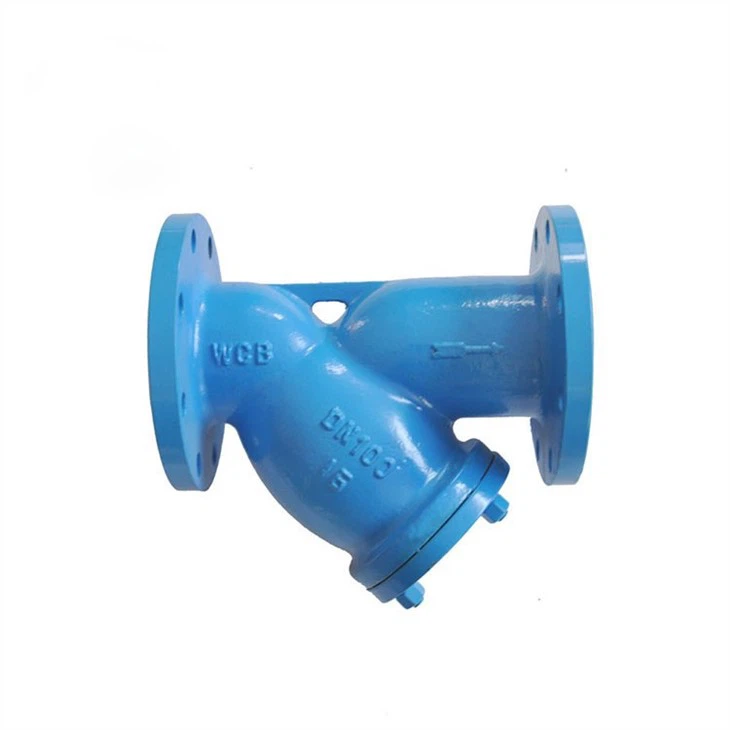
As a seasoned supplier of Y strainers, I've encountered numerous inquiries regarding the maximum temperature these essential filtration devices can withstand. Understanding this critical factor is paramount for industries relying on Y strainers to maintain the efficiency and longevity of their piping systems. In this blog post, I'll delve into the intricacies of temperature resistance in Y strainers, exploring the materials, design considerations, and real - world applications that influence their performance under high - temperature conditions.
Materials and Their Temperature Limits
The material used in the construction of a Y strainer plays a pivotal role in determining its maximum temperature tolerance. Different materials have distinct thermal properties, and choosing the right one is crucial for specific operating environments.
Cast Iron
Cast iron is a common material for Y strainers due to its affordability and durability. Cast Iron Y Strainer can typically withstand temperatures up to around 232°C (450°F). This makes it suitable for many general - purpose applications in industries such as water treatment, HVAC systems, and low - pressure steam applications. However, at higher temperatures, cast iron may become brittle, increasing the risk of cracking and failure. The carbon content in cast iron affects its thermal expansion rate, and excessive heat can cause internal stresses that compromise the integrity of the strainer.
Ductile Cast Iron
Ductile cast iron offers improved ductility compared to traditional cast iron. Ductile Cast Iron Y Type Filter Valve Y Type Flange Water Strainer can handle slightly higher temperatures, usually up to about 316°C (600°F). The graphite in ductile cast iron is in a nodular form, which gives it better resistance to thermal shock and mechanical stress. This makes it a preferred choice for applications where there may be sudden temperature changes or slightly elevated operating temperatures, such as in some industrial water and mild chemical processing systems.
Stainless Steel
Stainless steel is renowned for its excellent corrosion resistance and high - temperature performance. Depending on the grade, stainless steel Y strainers can withstand temperatures ranging from 427°C (800°F) to over 816°C (1500°F). For example, 304 stainless steel can typically handle temperatures up to around 816°C (1500°F) in continuous service. The chromium in stainless steel forms a passive oxide layer on the surface, which protects the metal from oxidation and corrosion at high temperatures. This makes stainless steel Y strainers ideal for applications in the chemical, petrochemical, and food processing industries, where high - temperature and corrosive environments are common.
Carbon Steel
Carbon steel Y strainers are also widely used, especially in industrial applications. They can generally withstand temperatures up to 427°C (800°F). Carbon steel has good strength and toughness at elevated temperatures, but it is more susceptible to corrosion compared to stainless steel. Therefore, proper coating or lining may be required in corrosive environments. Carbon steel Y strainers are commonly found in power generation, oil and gas, and steam systems.
Design Considerations for High - Temperature Applications
In addition to the material, the design of the Y strainer also affects its ability to withstand high temperatures.
Expansion Joints
When a Y strainer is exposed to high temperatures, the material expands. To accommodate this expansion without causing excessive stress on the strainer and the piping system, expansion joints can be incorporated into the design. Expansion joints are flexible components that allow for movement due to thermal expansion. They can prevent damage to the strainer and ensure the integrity of the entire piping network.
Gaskets and Seals
The gaskets and seals used in a Y strainer must also be able to withstand high temperatures. Common gasket materials for high - temperature applications include graphite, ceramic fiber, and PTFE (polytetrafluoroethylene). Graphite gaskets can handle temperatures up to around 538°C (1000°F) and are resistant to chemicals and compression set. Ceramic fiber gaskets offer excellent thermal insulation and can withstand even higher temperatures, up to 1260°C (2300°F). PTFE gaskets are known for their chemical resistance and can operate at temperatures up to about 260°C (500°F).
Wall Thickness
The wall thickness of the Y strainer body is another important design factor. A thicker wall can provide better structural integrity at high temperatures. It helps to distribute the thermal stress more evenly and reduces the risk of deformation or failure. However, increasing the wall thickness also increases the cost and weight of the strainer, so a balance must be struck based on the specific application requirements.
Real - World Applications and Temperature Requirements
Different industries have varying temperature requirements for Y strainers.
Power Generation
In power plants, Y strainers are used in steam systems, cooling water circuits, and fuel oil lines. Steam systems can operate at very high temperatures, often exceeding 427°C (800°F). Stainless steel or carbon steel Y strainers are commonly used in these applications to withstand the high - temperature steam. For example, in a coal - fired power plant, the steam generated in the boiler can reach temperatures of up to 538°C (1000°F), and Y strainers in the steam piping must be able to handle these extreme conditions.
Chemical and Petrochemical
The chemical and petrochemical industries deal with a wide range of corrosive and high - temperature fluids. PN16 Y Type Filter made of stainless steel are frequently used in these industries. In a refinery, for instance, the distillation process involves high - temperature hydrocarbons. Y strainers in the piping systems must be able to withstand temperatures up to 482°C (900°F) or more, depending on the specific process.
Food and Beverage
In the food and beverage industry, Y strainers are used in processes such as pasteurization and sterilization, where high - temperature water or steam is used. The temperature requirements are relatively lower compared to the power and chemical industries, usually up to around 121°C (250°F). Stainless steel Y strainers are commonly used due to their corrosion resistance and compliance with food safety standards.
Conclusion
The maximum temperature a Y strainer can withstand depends on several factors, including the material of construction, design features, and the specific application. As a Y strainer supplier, I understand the importance of providing the right product for each customer's needs. Whether it's a low - temperature water treatment application or a high - temperature steam system in a power plant, we have a wide range of Y strainers to meet your requirements.
If you're in need of a Y strainer for your project and have questions about temperature resistance or other specifications, I encourage you to reach out. Our team of experts is ready to assist you in selecting the most suitable Y strainer for your application. We can provide detailed technical information, offer customized solutions, and ensure that you get a high - quality product that meets your exact needs. Contact us today to start the procurement process and find the perfect Y strainer for your system.

References
- ASME Boiler and Pressure Vessel Code
- API (American Petroleum Institute) Standards
- ASTM (American Society for Testing and Materials) Material Specifications