Can rubber elbows be used in steam pipelines?
As a reliable supplier of rubber elbows, I often encounter the question: Can rubber elbows be used in steam pipelines? This query reflects the industry's growing interest in finding cost - effective and efficient solutions for steam transportation systems. In this blog post, I will delve into the technical aspects, advantages, limitations, and considerations when contemplating using rubber elbows in steam pipelines.
Understanding Rubber Elbows
Rubber elbows are flexible piping components designed to change the direction of fluid flow in a pipeline system. They are typically made of elastomers, such as natural rubber, neoprene, EPDM (Ethylene - Propylene - Diene Monomer), or other specialty rubbers. These materials offer high flexibility, corrosion resistance, and vibration damping capabilities, which are beneficial in various industrial applications.
Technical Feasibility of Using Rubber Elbows in Steam Pipelines
Steam is a high - energy fluid with unique properties, including high temperature, high pressure, and the potential for rapid phase changes. When considering using rubber elbows in steam pipelines, several technical factors come into play.
Temperature Resistance: One of the most critical factors is temperature. Different types of rubber have different temperature limits. For example, EPDM rubber can generally withstand temperatures up to around 150°C (302°F), while some specialty rubbers can handle even higher temperatures. However, steam in industrial pipelines can reach temperatures well above 200°C (392°F) in high - pressure applications. If the temperature of the steam exceeds the rubber's maximum temperature rating, the rubber can degrade rapidly, leading to cracking, loss of elasticity, and ultimately, failure of the elbow.
Pressure Resistance: Steam pipelines often operate under high pressure. Rubber elbows need to be designed and rated to withstand the specific pressures of the steam system. The pressure - bearing capacity of a rubber elbow depends on its construction, including the thickness of the rubber layer and the reinforcement materials used. Reinforcements such as fabric layers or steel wire can significantly enhance the pressure resistance of the rubber elbow.
Chemical Compatibility: Steam may contain various chemicals, such as oxygen, carbon dioxide, and trace amounts of acids or alkalis, depending on the source and treatment of the water used to generate the steam. The rubber material must be chemically compatible with these substances to prevent degradation. For example, EPDM is known for its excellent resistance to ozone, weathering, and many chemicals, making it a suitable choice in many steam applications where the chemical environment is relatively mild.
Advantages of Using Rubber Elbows in Steam Pipelines
Vibration and Noise Reduction: Steam flow in pipelines can generate significant vibrations and noise. Rubber elbows can act as shock absorbers, reducing the transmission of vibrations to the surrounding structures. This not only helps to protect adjacent equipment but also creates a quieter working environment.
Flexibility and Misalignment Compensation: In steam pipeline systems, thermal expansion and contraction can cause pipe misalignment. Rubber elbows can accommodate these movements due to their flexibility, reducing the stress on the pipeline and its connections. This helps to prevent leaks and premature failure of the pipeline components.
Corrosion Resistance: Unlike metal elbows, rubber elbows are highly resistant to corrosion. In steam systems where there is a risk of corrosion due to the presence of moisture or chemicals in the steam, rubber elbows can provide a long - lasting solution.
Limitations of Using Rubber Elbows in Steam Pipelines
Temperature and Pressure Limitations: As mentioned earlier, the temperature and pressure capabilities of rubber elbows are limited compared to some metal alternatives. In high - temperature and high - pressure steam systems, rubber elbows may not be suitable without special design considerations.
Aging and Degradation: Rubber is a polymer material that can age over time. Exposure to high temperatures, steam, and chemicals can accelerate the aging process, leading to a reduction in the mechanical properties of the rubber. This may result in a shorter service life compared to metal elbows.
Considerations for Using Rubber Elbows in Steam Pipelines
Proper Material Selection: Based on the temperature, pressure, and chemical environment of the steam system, the appropriate rubber material should be selected. Consulting with a rubber expert or the manufacturer is crucial to ensure the right choice.
Design and Installation: The design of the rubber elbow, including the type of reinforcement and the connection method, should be suitable for the steam pipeline system. Proper installation is also essential to ensure the elbow functions correctly and safely. For example, the elbow should be installed with the correct alignment and tension to avoid excessive stress on the rubber.
Monitoring and Maintenance: Regular monitoring of the rubber elbows in steam pipelines is necessary. This includes checking for signs of wear, cracking, or leakage. Maintenance procedures, such as cleaning and lubrication (if applicable), should be carried out according to the manufacturer's recommendations.
Related Products for Steam Pipelines
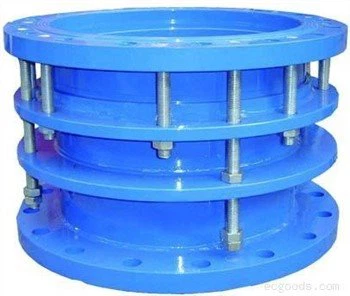
In addition to rubber elbows, there are other products that can be used in steam pipelines. For example, the Double Flange Expansion Joint and Flange Pipe Expansion Joint are designed to absorb thermal expansion and contraction in the pipeline, similar to rubber elbows but with different construction and performance characteristics. These expansion joints can be used in conjunction with rubber elbows to provide a comprehensive solution for steam pipeline systems.
Conclusion and Call to Action
In summary, rubber elbows can be used in steam pipelines under certain conditions. Their advantages in vibration reduction, flexibility, and corrosion resistance make them an attractive option. However, careful consideration of temperature, pressure, chemical compatibility, and proper design and maintenance is essential.


If you are in the process of designing or upgrading a steam pipeline system and are considering using rubber elbows, I encourage you to contact me for more detailed information. As a professional rubber elbow supplier, I have the expertise and experience to help you select the most suitable products for your specific needs. Whether you need technical advice, product samples, or a quotation, I am here to assist you. Let's work together to find the best solution for your steam pipeline requirements.
References
- "Handbook of Elastomers", Edited by Henri Markovitz, Marcel Dekker Inc., 1993.
- "Pipeline Engineering: Design, Construction, and Maintenance of Liquid and Gas Systems", by Michael S. Berkon, Gulf Publishing Company, 2009.
- "High - Temperature Materials and Their Properties", K. T. Aust, ASM International, 1982.