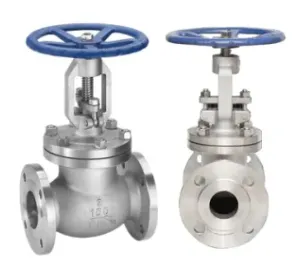
Cavitation is a phenomenon that can significantly affect the performance and lifespan of valves, especially in high - pressure and high - flow applications. As a trusted Metal Seat Valve supplier, understanding and communicating the cavitation resistance of our products is of utmost importance.
Understanding Cavitation
Cavitation occurs when the local pressure of a liquid drops below its vapor pressure. In a valve, as the fluid flows through a restricted area, such as the valve opening, the velocity increases, and according to Bernoulli's principle, the pressure decreases. If the pressure drops below the vapor pressure of the liquid, vapor bubbles are formed. As these bubbles flow into an area of higher pressure downstream of the valve, they collapse suddenly. This collapse generates intense shockwaves that can erode the valve components, including the seat and disc, leading to reduced valve performance, increased leakage, and ultimately, valve failure.
Cavitation Resistance in Metal Seat Valves
Material Selection
One of the key factors contributing to the cavitation resistance of metal seat valves is the choice of materials. High - quality metals with excellent hardness and toughness are preferred. For example, stainless steel alloys such as 316L or 304L are commonly used due to their good corrosion resistance and mechanical properties. These materials can withstand the impact of collapsing cavitation bubbles to a certain extent.
In addition, some advanced metal seat valves use special heat - treated alloys or build - up welding materials on the seat and disc surfaces. These materials are engineered to have superior hardness and wear resistance, which can significantly improve the valve's ability to resist cavitation. Our company is committed to using the best materials in the production of our metal seat valves, ensuring that they can perform well in cavitation - prone environments.
Design Optimization
The design of the valve also plays a crucial role in cavitation resistance. A well - designed valve can minimize the pressure drop across the valve and reduce the likelihood of cavitation. For example, using a streamlined valve body and flow path can help to maintain a more uniform flow distribution and prevent the formation of low - pressure zones.
The shape of the valve disc and seat is also important. A gradual reduction in flow area in the valve opening, rather than a sudden constriction, can smooth the flow and reduce the probability of cavitation. Our Metal Seat Valves are designed with these principles in mind. We use advanced computational fluid dynamics (CFD) simulations during the design process to optimize the valve's internal flow geometry and enhance its cavitation resistance.
Effects of Cavitation on Metal Seat Valves
Erosion and Wear
The most obvious effect of cavitation on metal seat valves is erosion and wear. The high - energy shockwaves generated when the cavitation bubbles collapse can cause pits and grooves on the valve seat and disc surfaces. Over time, this erosion can lead to increased leakage as the sealing surface is damaged. The valve may also experience higher operating torques as the erosion causes changes in the valve's internal geometry, affecting the smooth movement of the disc.
Corrosion
Cavitation can also accelerate corrosion in metal seat valves. The impact of the collapsing bubbles can remove the protective oxide layer on the metal surface, exposing it to the corrosive medium. This can lead to both local and general corrosion, further deteriorating the valve's performance and reducing its service life.
Our Solutions for Cavitation Resistance
To address the challenges posed by cavitation, our company offers a comprehensive range of solutions. Firstly, as mentioned earlier, we use high - grade materials and advanced manufacturing processes to ensure the durability of our metal seat valves. Our valves are subject to strict quality control measures to guarantee that they meet or exceed industry standards.
Secondly, we provide customized valve design services. We work closely with our customers to understand their specific application requirements, such as the type of fluid, pressure, and flow rate. Based on this information, we can optimize the valve design to minimize the risk of cavitation. For example, if the application involves high - pressure water flow, we may recommend a valve with a special seat and disc design to reduce the pressure drop and prevent cavitation.
Product Examples
We offer a variety of metal seat valves that demonstrate excellent cavitation resistance. For instance, our Handle Manual Wafer Center Butterfly Valve D71X - 16 is designed for general industrial applications. It features a metal seat and disc construction, which provides good resistance to cavitation and wear. Its simple yet effective design allows for easy installation and operation.
Our Flange Butterfly Valves For Vessel are specifically engineered for use in vessels. These valves are designed to handle high - pressure and high - flow conditions, and their metal seat design helps to prevent cavitation and ensure reliable sealing.
The Gear Butterfly Valve is another product in our line that offers excellent cavitation resistance. The gear - operated mechanism provides precise control over the valve opening, allowing for smooth operation and reduced cavitation risk.
Importance of Cavitation Resistance in Different Industries
Oil and Gas Industry
In the oil and gas industry, valves are often exposed to high - pressure and high - flow conditions. Cavitation in valves can lead to significant safety hazards and production losses. Our metal seat valves with high cavitation resistance are widely used in pipelines, refineries, and offshore platforms to ensure the reliable operation of the systems.


Power Generation
Power plants, whether they are nuclear, thermal, or hydroelectric, rely on valves to control the flow of water, steam, and other fluids. Cavitation can damage valves and reduce the efficiency of the power generation process. Our metal seat valves are designed to meet the strict requirements of the power generation industry, providing long - term and reliable service.
Contact for Procurement
If you are looking for high - quality metal seat valves with excellent cavitation resistance, we are here to help. Our team of experts can provide you with detailed product information, technical support, and customized solutions. Whether you have a small - scale project or a large - scale industrial application, we can meet your valve needs. Feel free to contact us to discuss your procurement requirements.
References
- "Valve Handbook", by Joel F. Shigley.
- "Fluid Mechanics" textbooks, various editions.
- Industry research reports on valve performance and cavitation.