Hey there! As a supplier of Metal Seat Valves, I often get asked about how a metal seat ball valve differs from a regular ball valve. So, I thought I'd take a few minutes to break it down for you.
Let's start with the basics. A ball valve is a type of quarter - turn valve that uses a ball to control the flow of fluid through a pipe. When the ball's hole (the bore) is in line with the pipe, fluid can flow through. When the ball is rotated 90 degrees, the solid part of the ball blocks the flow.
Regular Ball Valves
Regular ball valves are super common and can be found in all sorts of applications, from your home plumbing to industrial settings. They usually have seats made of materials like PTFE (polytetrafluoroethylene), nylon, or other soft polymers. These soft seats offer a few key advantages.
First off, they create a tight seal. The soft material can easily conform to the surface of the ball, which means there's less chance of leakage. This makes them great for applications where you need to prevent even the tiniest bit of fluid from escaping, like in a gas line or a chemical process where a leak could be dangerous.
Secondly, they're relatively cheap to manufacture. The polymers used in these seats are widely available and easy to work with, which keeps the cost of the valve down. This is why you'll see regular ball valves used in many cost - sensitive applications, such as residential plumbing systems.
However, regular ball valves with soft seats also have their limitations. One big drawback is their temperature and pressure limitations. The soft seat materials can start to degrade at relatively high temperatures. For example, PTFE has a maximum continuous use temperature of around 260°C (500°F). Beyond this, the material can lose its shape and sealing properties.
In high - pressure applications, the soft seats can also get damaged. The force exerted by the high - pressure fluid can cause the seat to extrude or get deformed, leading to leakage.
Metal Seat Ball Valves
Now, let's talk about metal seat ball valves. As the name suggests, these valves have seats made of metal. The most common metals used are stainless steel, alloy steel, and sometimes even exotic metals like titanium or nickel - based alloys.

One of the biggest advantages of metal seat ball valves is their durability. Metals are much more resistant to wear and tear compared to soft polymers. In applications where there's a lot of abrasive particles in the fluid, like in mining or sandblasting operations, a regular ball valve with a soft seat would quickly get damaged. But a metal seat ball valve can handle the abrasive materials without getting too scratched up or losing its sealing ability.
Another key benefit is their high - temperature and high - pressure capabilities. Metals can withstand much higher temperatures and pressures than soft polymers. For instance, a metal seat ball valve made of stainless steel can operate at temperatures well above 500°C and handle extremely high pressures, making them suitable for use in power plants, refineries, and other high - stress industrial environments.
In terms of chemical resistance, metal seat ball valves also have an edge in some cases. While PTFE is highly resistant to many chemicals, there are some aggressive chemicals that can attack it. Metals like stainless steel and titanium are often more resistant to certain types of chemicals, so metal seat ball valves are a better choice for handling corrosive fluids in chemical processing plants.
However, metal seat ball valves aren't perfect. They can be more expensive to manufacture. The cost of the metal materials, along with the precision machining required to create the metal seats, adds to the overall price. Also, getting a perfect seal with a metal - to - metal contact can be more challenging than with a soft - seat valve. The surfaces need to be extremely smooth and precisely machined to minimize leakage.
Applications
Let's look at where you might see each type of valve being used. Regular ball valves are commonly used in residential and commercial plumbing systems. You'll find them in things like water faucets, toilets, and heating and cooling systems. They're also used in many low - pressure and low - temperature industrial applications, such as in food and beverage processing where the fluids are relatively gentle on the valve components.
On the other hand, metal seat ball valves are used in industries where the conditions are much harsher. In the oil and gas industry, they're used in pipelines, wellheads, and refineries to control the flow of high - pressure oil, gas, and corrosive chemicals. In power plants, they're used in steam systems where the temperature and pressure are extremely high.
Other Related Valve Products
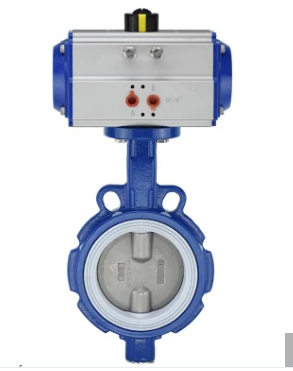
If you're looking for other valve options, we also have some great choices like the Stainless Steel Pneumatic Actuator Wafer Butterfly Valve. This valve is great for applications where you need quick and automated control of fluid flow. The pneumatic actuator allows for fast opening and closing, and the wafer design makes it easy to install between flanges.
The Lug Style Concentric Butterfly Valve With Two Shaft is another option. It's designed for a wide range of applications, including water treatment plants and HVAC systems. The lug style makes it easy to install and remove without disturbing the pipeline, and the concentric design provides good flow control.
And if you need a valve that can handle corrosive fluids, the PTFE Lined Worm Gear Butterfly Valve is a great choice. The PTFE lining provides excellent chemical resistance, and the worm gear allows for easy manual operation.
Conclusion
So, in summary, the main differences between a metal seat ball valve and a regular ball valve come down to the seat material. Regular ball valves with soft seats are great for low - pressure, low - temperature applications where cost and a good seal are important. Metal seat ball valves, on the other hand, are built to withstand high temperatures, high pressures, and abrasive or corrosive fluids.
If you're in the market for valves and need help deciding which type is right for your application, don't hesitate to reach out. We're here to assist you in making the best choice for your specific needs. Whether it's a metal seat ball valve or one of our other great valve products, we can provide you with high - quality solutions. Contact us today to start the procurement process and let's have a chat about how we can meet your valve requirements.
References
- Valve Handbook, 4th Edition, by Robert W. Miller
- Industrial Valves: Selection and Sizing, by James E. Swearingen