As a supplier of flat gate valves, I've witnessed firsthand how temperature can significantly impact the performance of these crucial industrial components. In this blog, I'll delve into the various ways temperature affects flat gate valves and discuss how to mitigate potential issues.
The Basics of Flat Gate Valves
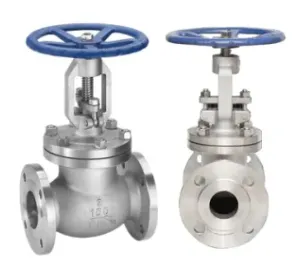
Flat gate valves are widely used in various industries, including oil and gas, water treatment, and chemical processing. They are designed to control the flow of fluids by using a flat gate that slides across the valve opening. When the gate is fully open, it allows for unobstructed flow, while closing the gate stops the flow completely.
Effects of High Temperature
Material Degradation
One of the most significant effects of high temperature on flat gate valves is material degradation. At elevated temperatures, the materials used in the valve construction can experience changes in their mechanical properties. For example, metals such as carbon steel and stainless steel can lose their strength and hardness, making them more susceptible to deformation and wear. This can lead to issues such as valve leakage, reduced sealing performance, and even valve failure.
Thermal Expansion
Another consequence of high temperature is thermal expansion. As the temperature rises, the components of the flat gate valve expand. If the valve is not designed to accommodate this expansion, it can cause internal stresses that may lead to distortion or cracking. For instance, the gate may become stuck in the valve body due to thermal expansion, preventing it from opening or closing properly. This can disrupt the flow control process and potentially damage the valve.


Seal Integrity
High temperatures can also affect the integrity of the valve seals. The elastomeric seals used in flat gate valves are typically designed to operate within a specific temperature range. When exposed to temperatures above this range, the seals can harden, shrink, or lose their elasticity. This can result in poor sealing performance, allowing fluid to leak past the valve. In some cases, the seals may even break down completely, leading to significant leakage and safety hazards.
Effects of Low Temperature
Brittle Fracture
Low temperatures can pose a different set of challenges for flat gate valves. One of the main concerns is brittle fracture. At low temperatures, metals can become more brittle, losing their ductility and toughness. This means that they are more likely to fracture under stress without significant deformation. In a flat gate valve, sudden pressure changes or mechanical shocks can cause the valve components to crack or break, leading to valve failure.
Lubrication Issues
Cold temperatures can also affect the lubrication of the valve. Lubricants used in the valve's moving parts may thicken or solidify at low temperatures, reducing their effectiveness. This can increase friction between the components, making it more difficult to operate the valve. In extreme cases, the valve may become completely inoperable due to lack of proper lubrication.
Mitigating Temperature-Related Issues
Material Selection
Choosing the right materials is crucial for ensuring the performance of flat gate valves in different temperature environments. For high-temperature applications, materials with high heat resistance, such as high-alloy steels or ceramics, can be used. These materials can maintain their mechanical properties at elevated temperatures, reducing the risk of material degradation and thermal expansion. For low-temperature applications, materials with good low-temperature toughness, such as nickel alloys, should be considered to prevent brittle fracture.
Design Considerations
Proper valve design is also essential for addressing temperature-related issues. Valves should be designed to accommodate thermal expansion and contraction. This can be achieved through features such as expansion joints or flexible connections. Additionally, the valve's sealing system should be carefully designed to ensure reliable performance at different temperatures. For example, using seals made from materials with a wide temperature range can help maintain seal integrity.
Insulation and Heating
In some cases, insulation or heating systems can be used to control the temperature of the valve. Insulation can help reduce heat loss in cold environments or prevent overheating in hot environments. Heating systems, such as electric heating tapes or steam tracing, can be used to maintain the valve at a suitable operating temperature. This can improve the valve's performance and extend its service life.
Product Recommendations
At our company, we offer a range of flat gate valves designed to perform well in different temperature conditions. Our F5 Gate Valve is a high-quality valve suitable for both high and low-temperature applications. It is made from premium materials and features a robust design to ensure reliable operation.
The Steel Round Gate is another excellent option. It is designed to withstand extreme temperatures and harsh operating conditions. Its unique design provides excellent sealing performance and long service life.
For applications in slurry environments, our Manual Slurry Valve is a great choice. It is specifically engineered to handle abrasive slurries at various temperatures, ensuring efficient flow control.
Conclusion
Temperature has a profound impact on the performance of flat gate valves. High temperatures can cause material degradation, thermal expansion, and seal integrity issues, while low temperatures can lead to brittle fracture and lubrication problems. By carefully selecting materials, considering design features, and implementing appropriate temperature control measures, these issues can be effectively mitigated.
If you're in need of high-quality flat gate valves for your specific temperature requirements, we're here to help. Our team of experts can provide you with the right solutions and technical support. Contact us today to discuss your valve needs and start a procurement negotiation.
References
- ASME B16.34 - Valves - Flanged, Threaded, and Welded End.
- API 600 - Steel Gate Valves - Flanged and Butt Welding Ends - Bolted Bonnet.
- ISO 5208 - Industrial Valves - Pressure Testing of Valves.