As a seasoned Pipe Fitting supplier, I often get asked about the maximum pressure that pipe fittings can withstand. This is a crucial question, as understanding the pressure limits of pipe fittings is essential for ensuring the safety and efficiency of any piping system. In this blog post, I'll delve into the factors that determine the maximum pressure of pipe fittings, explore different types of fittings and their pressure capabilities, and provide some practical tips for selecting the right fittings for your specific application.
Factors Affecting the Maximum Pressure of Pipe Fittings
The maximum pressure that a pipe fitting can withstand is influenced by several key factors, including the material of the fitting, its design, and the manufacturing process. Let's take a closer look at each of these factors:
Material
The material of the pipe fitting plays a significant role in determining its pressure resistance. Different materials have different mechanical properties, such as strength, ductility, and corrosion resistance, which can affect how well the fitting can withstand pressure. Common materials used for pipe fittings include stainless steel, carbon steel, brass, and PVC.
- Stainless Steel: Stainless steel is known for its high strength, corrosion resistance, and durability. It can withstand high pressures and is often used in applications where the piping system is exposed to harsh environments or corrosive substances.
- Carbon Steel: Carbon steel is a widely used material for pipe fittings due to its strength and affordability. It can handle moderate to high pressures, but it is more susceptible to corrosion than stainless steel.
- Brass: Brass is a non-ferrous metal that offers good corrosion resistance and malleability. It is commonly used in low to medium-pressure applications, such as plumbing systems.
- PVC: PVC (polyvinyl chloride) is a lightweight and cost-effective material that is resistant to corrosion and chemicals. However, it has lower pressure ratings compared to metal fittings and is typically used in low-pressure applications, such as drainage systems.
Design
The design of the pipe fitting also affects its pressure capabilities. Fittings with a thicker wall thickness, stronger joints, and a more robust construction are generally able to withstand higher pressures. Additionally, the shape and size of the fitting can impact its pressure resistance. For example, fittings with a smooth internal surface and a gradual transition between different sections of the pipe can reduce turbulence and pressure drop, allowing the fitting to handle higher pressures more effectively.


Manufacturing Process
The manufacturing process used to produce the pipe fitting can also influence its maximum pressure rating. Fittings that are precision-machined, forged, or welded using high-quality techniques are likely to have better pressure resistance than those that are poorly manufactured. Additionally, proper quality control during the manufacturing process ensures that the fitting meets the required standards and specifications.
Types of Pipe Fittings and Their Pressure Capabilities
There are various types of pipe fittings available, each with its own unique pressure capabilities. Here are some of the most common types of pipe fittings and their typical pressure ratings:
Elbows
Elbows are used to change the direction of the pipe. They come in different angles, such as 45 degrees and 90 degrees. The pressure rating of an elbow depends on its material, size, and wall thickness. Generally, elbows made of stainless steel or carbon steel can withstand higher pressures than those made of PVC or brass.
Tees
Tees are used to connect three pipes at a 90-degree angle. They are commonly used in plumbing and industrial piping systems. Like elbows, the pressure rating of a tee depends on its material, size, and wall thickness.
Couplings
Couplings are used to connect two pipes together. They can be either threaded or welded. Threaded couplings are easier to install and remove, but they may have lower pressure ratings compared to welded couplings. Welded couplings provide a stronger and more leak-proof connection, making them suitable for high-pressure applications.
Flanges
Flanges are used to connect pipes to valves, pumps, and other equipment. They provide a secure and leak-proof connection and can handle high pressures. There are different types of flanges, such as weld neck flanges, slip-on flanges, and blind flanges, each with its own pressure rating.
Double Flange Expansion Joint
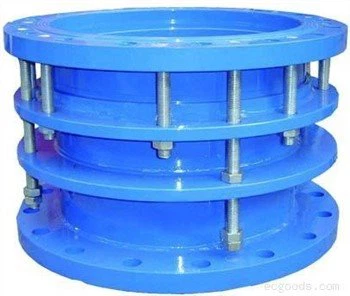
Double flange expansion joints are designed to absorb thermal expansion and contraction in piping systems. They can also accommodate movement due to vibration and seismic activity. These joints are typically used in high-pressure applications, such as power plants and industrial pipelines.
Flange Pipe Expansion Joint
Flange pipe expansion joints are similar to double flange expansion joints but are specifically designed for use with flanged pipes. They provide flexibility and compensate for movement in the piping system, while maintaining a high-pressure seal.
Selecting the Right Pipe Fittings for Your Application
When selecting pipe fittings for your application, it's important to consider the maximum pressure that the fittings will need to withstand. Here are some tips to help you choose the right fittings:
- Determine the Pressure Requirements: First, you need to determine the maximum pressure that the piping system will be subjected to. This includes considering the operating pressure, as well as any potential pressure surges or fluctuations.
- Choose the Right Material: Based on the pressure requirements and the environment in which the piping system will be installed, choose a material that can handle the pressure and resist corrosion.
- Check the Pressure Ratings: Make sure to check the pressure ratings of the fittings you are considering. The pressure rating should be equal to or higher than the maximum pressure of the piping system.
- Consider the Design and Size: The design and size of the fitting can also affect its pressure capabilities. Choose a fitting with a design that is suitable for your application and a size that matches the pipes you are using.
- Consult with a Professional: If you are unsure about which fittings to choose, it's always a good idea to consult with a professional engineer or a pipe fitting supplier. They can provide you with expert advice and help you select the right fittings for your specific needs.
Conclusion
Understanding the maximum pressure that pipe fittings can withstand is crucial for ensuring the safety and efficiency of any piping system. By considering the factors that affect the pressure capabilities of pipe fittings, such as the material, design, and manufacturing process, and by choosing the right fittings for your application, you can ensure that your piping system operates safely and effectively under the expected pressure conditions.
If you have any questions or need assistance in selecting the right pipe fittings for your project, please don't hesitate to contact us. We are a leading Pipe Fitting supplier with a wide range of high-quality fittings to meet your needs. Our team of experts is ready to help you find the perfect solution for your piping system.
References
- ASME B16.5 - Pipe Flanges and Flanged Fittings
- ASTM Standards for Pipe Fittings
- Manufacturer's Catalogs and Technical Data Sheets