Hey there! As a supplier of Cast Iron Y Strainers, I've got a ton of experience with these nifty little devices. They're super important in a whole bunch of industries, like water treatment, oil and gas, and chemical processing. They help keep pipes and equipment free from debris, making sure everything runs smoothly. In this blog, I'm gonna talk about the different inspection methods for Cast Iron Y Strainers.
Visual Inspection
Let's start with the most basic one - visual inspection. This is something you can do pretty easily with just your eyes. First off, take a good look at the exterior of the strainer. Check for any obvious signs of damage, like cracks, chips, or dents. Cracks can be a real problem because they can lead to leaks, which can mess up the whole system.
Also, look at the surface finish. A good - quality Cast Iron Y Strainer should have a smooth finish. If there are rough spots or uneven surfaces, it could indicate a problem with the manufacturing process. For example, sand inclusions during casting can cause these rough areas.
Check the connections. Make sure the flanges or threaded ends are in good condition. There shouldn't be any signs of corrosion or deformation. If the connections aren't right, it can lead to a poor seal, and you'll end up with leaks. You can find a great example of a well - made strainer like the PN10 Y - type Filter which has top - notch connections.
Dimensional Inspection
Next up is dimensional inspection. This is crucial because the strainer has to fit properly into the pipeline system. You'll need some measuring tools, like calipers and micrometers.
Measure the overall length, diameter, and height of the strainer. These dimensions should match the specifications provided by the manufacturer. Even a small deviation can cause problems when it comes to installation. For instance, if the diameter is slightly off, it might not fit into the pipes correctly, leading to a misaligned system.
Check the size of the openings in the screen. The screen is what actually catches the debris, so the size of the openings determines what kind of particles it can trap. If the openings are too big, large particles will pass through, and if they're too small, it can cause a blockage and reduce the flow rate.
Pressure Testing
Pressure testing is a big deal. It helps you figure out if the strainer can handle the pressure in the system without leaking. There are a couple of ways to do this.
One common method is hydrostatic testing. In this test, you fill the strainer with water and then apply pressure. You want to apply a pressure that's higher than the normal operating pressure of the system. This is to make sure that the strainer can withstand any unexpected pressure spikes.
You need to monitor the pressure for a certain period, usually around 10 - 30 minutes. If the pressure drops during this time, it's a sign that there's a leak somewhere. You'll have to check all the connections and the body of the strainer to find out where the leak is coming from.
Another type of pressure testing is pneumatic testing. Instead of water, you use air. This is a bit more dangerous because air is compressible, so if there's a sudden failure, it can cause a more violent reaction. But it can be useful in some situations where water can't be used, like in systems that are sensitive to moisture.
Material Analysis
Knowing what the cast iron is made of is really important. Material analysis can tell you if the cast iron has the right properties for the job.
One way to do this is through chemical analysis. You can take a small sample of the cast iron and analyze it to find out the percentage of different elements like carbon, silicon, and manganese. These elements affect the strength, hardness, and corrosion resistance of the cast iron.
For example, a higher carbon content can make the cast iron harder but more brittle. If the application requires a lot of flexibility, a cast iron with too much carbon might not be suitable. You can also use non - destructive testing methods like magnetic particle testing or ultrasonic testing to check for internal defects in the material.
Flow Testing
Flow testing is all about making sure that the strainer doesn't restrict the flow of the fluid too much. You can set up a test rig where you measure the flow rate of the fluid before and after it passes through the strainer.
If the flow rate drops significantly, it could mean that the screen is clogged or that the design of the strainer is causing too much resistance. You might need to clean the screen or consider a different type of strainer. For example, the Ductile Iron Y Strainer is designed to have a relatively low pressure drop, which means it allows for a good flow rate.
Performance Testing
Performance testing is a comprehensive test that combines all the other factors. You want to test the strainer under real - world conditions as closely as possible.
You can simulate the normal operating conditions of the system, including the type of fluid, the temperature, and the pressure. Then you run the system for a certain period and monitor the performance of the strainer.
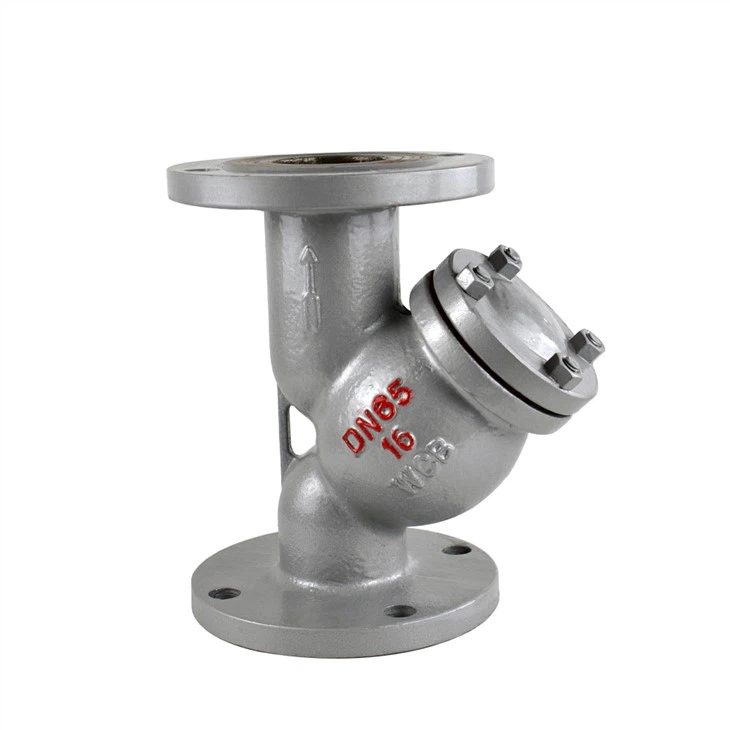
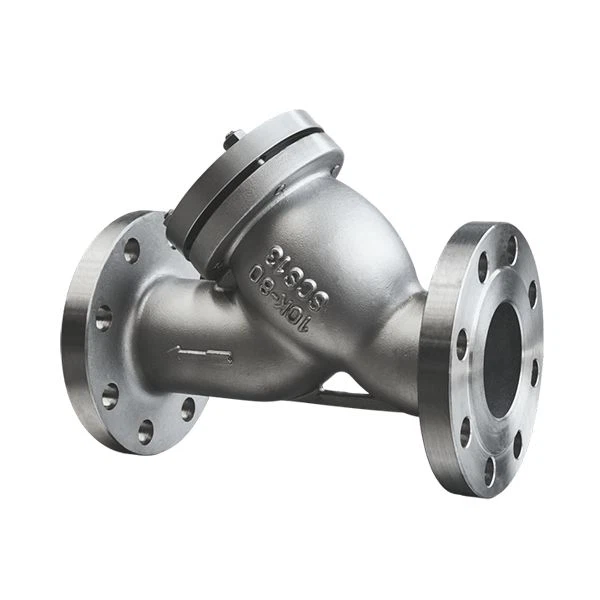
Check how well it traps debris, how the flow rate changes over time, and if there are any signs of wear or damage. This will give you a good idea of how the strainer will perform in actual use.
Conclusion
So, there you have it - the main inspection methods for Cast Iron Y Strainers. Each method plays a crucial role in ensuring that the strainer is of high quality and can perform its job effectively.
If you're in the market for a Cast Iron Y Strainer, I'd highly recommend checking out our Ductile Cast Iron Y Type Filter Valve Y Type Flange Water Strainer. It goes through all these inspection methods to ensure top - notch quality.
If you have any questions or are interested in purchasing our strainers, feel free to reach out. We're always happy to have a chat and help you find the right strainer for your needs.
References
- "Handbook of Cast Iron Technology" by John Campbell
- "Pipeline Engineering and Construction: A Practical Approach" by J. Paul Guyer
- "Pressure Vessel Design Manual" by Dennis R. Moss