As a seasoned supplier of butterfly valves, I've encountered numerous inquiries regarding the adjustment of their opening degree. This process is crucial as it directly impacts the flow control and overall performance of the valve in various industrial applications. In this blog, I'll share comprehensive insights on how to adjust the opening degree of a butterfly valve, ensuring optimal functionality and efficiency.
Understanding the Basics of a Butterfly Valve
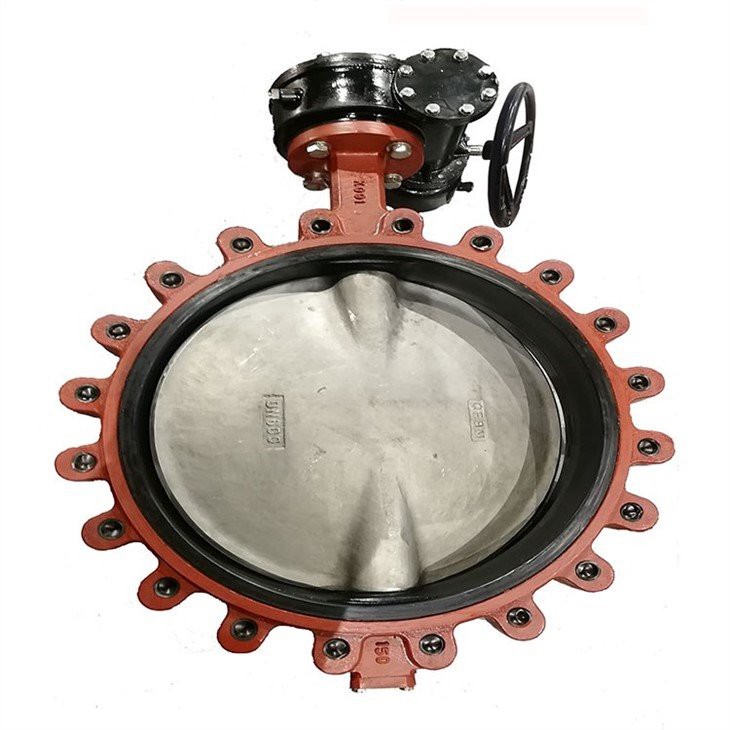
Before delving into the adjustment process, it's essential to understand the basic structure and operation of a butterfly valve. A butterfly valve consists of a disc that rotates within the valve body to control the flow of fluid. The disc is connected to a stem, which is turned by an actuator, such as a handle, gearbox, or electric/motorized actuator. When the disc is parallel to the flow direction, the valve is fully open, allowing maximum flow. Conversely, when the disc is perpendicular to the flow direction, the valve is fully closed, blocking the flow.
Tools Required for Adjustment
To adjust the opening degree of a butterfly valve, you'll need the following tools:
- Wrenches: Depending on the valve size and type, you may need adjustable wrenches or socket wrenches to loosen and tighten the fasteners.
- Screwdrivers: Flathead or Phillips screwdrivers may be required to adjust the position of the actuator or the valve's limit switches.
- Calipers or Rulers: These tools can be used to measure the disc's position accurately and ensure precise adjustment.
- Actuator Manual: If the valve is equipped with an actuator, refer to the actuator manual for specific adjustment instructions.
Step-by-Step Guide to Adjusting the Opening Degree
The following steps outline the general process for adjusting the opening degree of a butterfly valve:
Step 1: Isolate the Valve
Before making any adjustments, ensure that the valve is isolated from the system to prevent fluid flow and potential hazards. Close the upstream and downstream isolation valves and relieve any pressure in the valve and the connected piping.
Step 2: Locate the Actuator
Identify the actuator attached to the valve. The actuator can be a manual handle, a gearbox, or an electric/motorized device. The adjustment method may vary depending on the type of actuator.
Step 3: Manual Actuator Adjustment
- Handle-Type Valves: For Handle Type Vertical Plate Ductile Iron Soft Seal Butterfly Valve with a manual handle, the opening degree can be adjusted by turning the handle. To open the valve, turn the handle in the counterclockwise direction; to close it, turn the handle clockwise. The handle may have markings indicating the open and closed positions.
- Gearbox Actuators: If the valve is equipped with a gearbox actuator, use a wrench to loosen the locking nut on the gearbox. Then, turn the handwheel to adjust the disc's position. Once the desired opening degree is achieved, tighten the locking nut to secure the position.
Step 4: Electric/Motorized Actuator Adjustment
- Limit Switch Adjustment: Electric and motorized actuators often have limit switches that control the valve's open and closed positions. Refer to the actuator manual to locate the limit switch adjustment screws. Use a screwdriver to adjust the position of the limit switches until the valve reaches the desired opening degree.
- Positioner Adjustment: Some actuators are equipped with positioners that allow for precise control of the valve's opening degree. Follow the positioner's instructions to set the desired position and calibrate the actuator accordingly.
Step 5: Measure and Verify
Use calipers or rulers to measure the disc's position and ensure that the opening degree is accurate. Compare the measured value with the desired opening degree specified in the system requirements. If necessary, make further adjustments until the desired opening degree is achieved.
Step 6: Test the Valve
Once the adjustment is complete, test the valve to ensure proper operation. Slowly open and close the valve several times to check for smooth movement and proper sealing. Monitor the flow rate and pressure in the system to verify that the valve is functioning as expected.
Factors Affecting Opening Degree Adjustment
Several factors can affect the adjustment of the opening degree of a butterfly valve:

- Valve Size and Type: Different valve sizes and types may require different adjustment methods and tools. Larger valves may require more force to turn the actuator, while smaller valves may be more sensitive to adjustment.
- Actuator Type and Condition: The type and condition of the actuator can also impact the adjustment process. Electric and motorized actuators may require more complex adjustment procedures than manual actuators. Additionally, worn or damaged actuators may not provide accurate control of the valve's opening degree.
- System Pressure and Flow Rate: The system pressure and flow rate can affect the valve's performance and the ease of adjustment. High-pressure systems may require more force to open and close the valve, while high-flow rates may cause the valve to vibrate or chatter, making adjustment more challenging.
- Valve Installation and Alignment: Proper installation and alignment of the valve are essential for accurate adjustment. Misaligned valves may not open or close fully, resulting in inaccurate flow control. Ensure that the valve is installed correctly and that the piping is properly supported to prevent stress on the valve.
Tips for Optimal Adjustment
- Follow the Manufacturer's Instructions: Always refer to the valve and actuator manufacturer's instructions for specific adjustment procedures and recommendations.
- Make Small Adjustments: When making adjustments, make small incremental changes and test the valve after each adjustment to avoid over-adjustment.
- Use Proper Tools: Use the appropriate tools for the adjustment process to ensure accurate and safe operation.
- Regular Maintenance: Perform regular maintenance on the valve and the actuator to ensure optimal performance and prevent premature wear and damage.
- Monitor the System: Continuously monitor the system's pressure, flow rate, and other parameters to detect any changes in the valve's performance and make necessary adjustments.
Conclusion
Adjusting the opening degree of a butterfly valve is a critical task that requires careful attention to detail and proper technique. By following the steps outlined in this blog and considering the factors that affect adjustment, you can ensure that your butterfly valve operates efficiently and provides accurate flow control. At our company, we offer a wide range of high-quality butterfly valves, including OEM Butterfly Valve and Wafer Type Butterfly Valve With Soft Seat, to meet your specific application requirements. If you have any questions or need assistance with valve adjustment or selection, please don't hesitate to contact us for a consultation. Our team of experts is ready to help you find the best solutions for your industrial needs.
References
- Valve Manufacturer's Manuals
- Industrial Valve Handbook
- Fluid Flow Control Engineering Principles