Hey there! As a pipe fitting supplier, I've seen all sorts of pipe - cutting scenarios. In this blog, I'm gonna share what I think is the best way to cut pipe fittings.
First off, we need to understand that there isn't a one - size - fits - all answer when it comes to cutting pipe fittings. Different types of pipes, materials, and end - uses require different cutting methods. Let's start by looking at the common types of pipe materials we deal with.
Types of Pipe Materials
There are mainly three types of pipe materials: metal, plastic, and ceramic. Each has its own unique properties that influence the cutting process.


Metal Pipes
Metal pipes, such as steel, copper, and aluminum, are widely used in various industries. They are strong, durable, and can withstand high pressure. But cutting them can be a bit tricky. For thin - walled metal pipes, a simple hand - held tube cutter can do the job. It has a sharp wheel that cuts through the pipe as you rotate it around. This method is quick and clean, leaving a smooth edge.
However, for thicker - walled metal pipes, a power saw is usually the way to go. A reciprocating saw with a metal - cutting blade can cut through steel pipes with ease. The key is to use a blade with the right tooth count. A blade with too few teeth will tear the metal, while one with too many teeth will clog up quickly.
Another option for cutting metal pipes is using a plasma cutter. Plasma cutting is a high - tech method that uses a jet of hot plasma to melt through the metal. It's extremely fast and can cut through thick pipes in no time. But it requires special equipment and training, so it's more suitable for professional use.
Plastic Pipes
Plastic pipes, like PVC, CPVC, and PEX, are popular for their affordability, corrosion resistance, and ease of installation. Cutting plastic pipes is generally easier than cutting metal pipes. A simple handsaw or a plastic pipe cutter can be used.
A handsaw with fine teeth can make clean cuts on plastic pipes. Just make sure to use a saw that's specifically designed for plastic. A plastic pipe cutter, on the other hand, is a specialized tool that has a sharp blade that slices through the pipe. It's very convenient and can make quick, straight cuts.
One thing to keep in mind when cutting plastic pipes is to avoid overheating. If you use a power tool at too high a speed, it can melt the plastic, which will affect the quality of the cut.
Ceramic Pipes
Ceramic pipes are used in some specialized applications, such as in high - temperature environments. Cutting ceramic pipes is the most challenging of the three. A diamond - tipped saw blade is usually required because ceramic is very hard and brittle.
The cutting process needs to be slow and steady to prevent the pipe from cracking. Water cooling is often used during the cutting process to reduce heat and prevent damage to the ceramic.
Factors to Consider When Choosing a Cutting Method
Apart from the type of pipe material, there are other factors to consider when choosing the best way to cut pipe fittings.
Pipe Diameter
The diameter of the pipe plays a big role in determining the cutting method. For small - diameter pipes, a hand - held cutter or a small handsaw might be sufficient. But for large - diameter pipes, a power saw or a specialized cutting machine is usually needed.
Cutting Precision
If you need a high level of cutting precision, such as when making custom - fit pipe fittings, a more advanced cutting method might be required. Laser cutting, for example, can provide extremely precise cuts. It uses a high - powered laser beam to vaporize the material, leaving a very clean and accurate edge. However, laser cutting equipment is expensive and mainly used in industrial settings.
Cost
Cost is always a factor. Some cutting methods, like plasma cutting and laser cutting, require expensive equipment and high operating costs. For small - scale projects or DIY jobs, a more affordable option like a handsaw or a basic pipe cutter might be the best choice.
Best Practices for Cutting Pipe Fittings
No matter which cutting method you choose, there are some best practices that can help you get the best results.
Mark the Cutting Line
Before you start cutting, mark the cutting line on the pipe. Use a measuring tape and a marker to ensure accuracy. This will help you make a straight and precise cut.
Secure the Pipe
Make sure the pipe is securely fixed in place before cutting. You can use a vise or a pipe stand to hold the pipe steady. This will prevent the pipe from moving during the cutting process, which can lead to uneven cuts.
Wear Protective Gear
Cutting pipes can be dangerous, so it's important to wear the right protective gear. Safety glasses will protect your eyes from flying debris, and gloves will protect your hands from sharp edges. If you're using a power tool, ear protection is also recommended.
Our Product Range
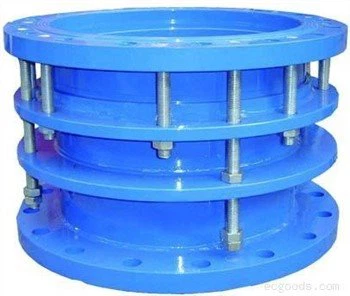
As a pipe fitting supplier, we offer a wide range of pipe fittings, including Double Flange Expansion Joint and Flange Pipe Expansion Joint. These expansion joints are designed to absorb movement and vibration in piping systems, ensuring the safety and efficiency of your projects.
If you're looking for high - quality pipe fittings and need advice on cutting and installation, we're here to help. Whether you're a professional contractor or a DIY enthusiast, we have the products and expertise to meet your needs.
Conclusion
In conclusion, the best way to cut pipe fittings depends on several factors, including the type of pipe material, pipe diameter, cutting precision requirements, and cost. By understanding these factors and following the best practices, you can achieve clean, accurate cuts.
If you have any questions about pipe fittings or need help with choosing the right cutting method, don't hesitate to reach out. We're more than happy to assist you in your next project. Contact us to start a procurement discussion and find the perfect pipe fittings for your needs.
References
- "Pipe Fitting Handbook", published by a leading industry publisher.
- "Cutting Techniques for Different Pipe Materials", an industry - specific research paper.