A leaking flat gate valve can be a frustrating and potentially costly issue in various industrial and commercial settings. As a leading supplier of flat gate valves, we understand the importance of maintaining these essential components to ensure optimal performance and prevent leaks. In this blog post, we'll guide you through the process of repairing a leaking flat gate valve, providing step-by-step instructions and valuable tips to help you address the problem effectively.
Understanding the Flat Gate Valve
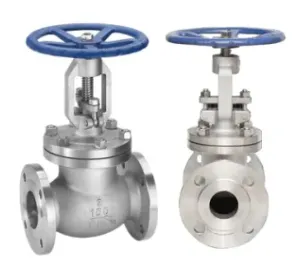
Before diving into the repair process, it's crucial to have a basic understanding of how a flat gate valve works. A flat gate valve is a type of valve that uses a flat gate to control the flow of fluid through a pipeline. When the valve is open, the gate is lifted out of the flow path, allowing fluid to pass freely. When the valve is closed, the gate is lowered into the flow path, blocking the fluid from passing through.
Leaking in a flat gate valve can occur due to several reasons, including worn seals, damaged gate or seat, improper installation, or corrosion. Identifying the root cause of the leak is the first step in the repair process.
Tools and Materials Needed
To repair a leaking flat gate valve, you'll need the following tools and materials:
- Adjustable wrench
- Pipe wrench
- Screwdriver
- Replacement seals (gaskets, O-rings)
- Sealant
- Lubricant
- Safety glasses
- Gloves
Step-by-Step Repair Process
Step 1: Shut Off the Flow
The first and most important step in any valve repair is to shut off the flow of fluid to the valve. This can be done by closing the upstream and downstream valves or by isolating the section of the pipeline containing the leaking valve. Make sure to relieve any pressure in the pipeline before proceeding with the repair.
Step 2: Remove the Valve Cover
Use an adjustable wrench or a screwdriver to remove the bolts or screws holding the valve cover in place. Carefully lift the cover off the valve body, taking note of the position and orientation of any gaskets or seals.
Step 3: Inspect the Gate and Seat
Once the valve cover is removed, inspect the gate and seat for any signs of damage, wear, or corrosion. Look for cracks, scratches, or pitting on the surface of the gate and seat. If the damage is severe, the gate or seat may need to be replaced.


Step 4: Replace the Seals
If the seals (gaskets, O-rings) are worn or damaged, they should be replaced. Use a pipe wrench or an adjustable wrench to remove the old seals from the valve body and gate. Clean the seal surfaces thoroughly with a clean cloth and apply a thin layer of sealant to the new seals. Carefully install the new seals in their respective positions, making sure they are properly seated and aligned.
Step 5: Lubricate the Gate and Stem
Apply a small amount of lubricant to the gate and stem to ensure smooth operation. Use a lubricant that is compatible with the fluid being transported through the pipeline.
Step 6: Reassemble the Valve
Once the seals are replaced and the gate and stem are lubricated, carefully reassemble the valve. Place the valve cover back on the valve body and tighten the bolts or screws evenly. Make sure not to overtighten the bolts, as this can damage the valve.
Step 7: Test the Valve
After reassembling the valve, slowly open the upstream valve to allow fluid to flow into the valve. Check for any leaks around the valve cover, seals, or connections. If there are no leaks, fully open and close the valve several times to ensure smooth operation.
Tips for Preventing Future Leaks
- Regularly inspect and maintain your flat gate valves to detect and address any potential issues early.
- Use high-quality seals and gaskets that are compatible with the fluid being transported.
- Follow the manufacturer's installation and maintenance instructions carefully.
- Avoid over-tightening the valve during installation or operation.
- Protect the valve from corrosion by applying a protective coating or using a corrosion-resistant material.
Our Flat Gate Valve Products
As a trusted supplier of flat gate valves, we offer a wide range of high-quality products to meet your specific needs. Our products include the Bevel Gear Flanged Gate Valve Z541H, the Ductile Cast Iron DN50-200 Groove Type Rising Stem Wedge Gate Valve For Fire Fighting, and the F5 Gate Valve. These valves are designed and manufactured to the highest standards, ensuring reliable performance and long service life.
Contact Us for Purchasing and Consultation
If you're experiencing issues with your flat gate valves or are looking to purchase high-quality valves for your project, we're here to help. Our team of experts can provide you with professional advice and guidance on valve selection, installation, and maintenance. Contact us today to discuss your requirements and explore our range of flat gate valve products.
References
- Valve Handbook, by J. Paul Guyer
- Industrial Valves: Selection, Installation, and Maintenance, by Joseph R. Ryan