Hey there! As a supplier of dismantling joints, I often get asked about how to choose the right gasket for these joints. It's a crucial question because the gasket plays a vital role in ensuring the proper functioning and longevity of the dismantling joint. In this blog post, I'll share some tips and considerations to help you make the right choice.
Understanding the Basics of Dismantling Joints
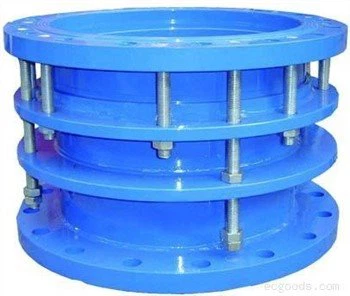
First off, let's quickly go over what a dismantling joint is. A dismantling joint is a type of pipe fitting that allows for easy installation, removal, and maintenance of pipes. It consists of two flanges connected by a series of bolts and nuts, with a gasket placed between the flanges to create a seal. This joint is commonly used in various industries, including water treatment, oil and gas, and HVAC systems.
The Importance of Choosing the Right Gasket
The gasket is the unsung hero of the dismantling joint. It prevents leaks, reduces vibration, and absorbs shock. A poorly chosen gasket can lead to costly repairs, downtime, and even safety hazards. So, taking the time to select the right gasket is definitely worth it.
Factors to Consider When Choosing a Gasket
1. Material
The material of the gasket is one of the most important factors to consider. Different materials have different properties, such as chemical resistance, temperature resistance, and pressure resistance. Here are some common gasket materials and their applications:
- Rubber: Rubber gaskets are flexible, resilient, and have good sealing properties. They are suitable for low-pressure applications and can withstand a wide range of temperatures. However, they may not be suitable for applications involving chemicals or high temperatures.
- Fiber: Fiber gaskets are made from materials such as asbestos, graphite, or aramid. They are known for their high temperature and pressure resistance. However, asbestos gaskets are no longer used due to health concerns. Graphite gaskets are a popular alternative as they offer excellent chemical resistance and can withstand high temperatures.
- Metal: Metal gaskets are made from materials such as stainless steel, copper, or aluminum. They are suitable for high-pressure and high-temperature applications. Metal gaskets are also resistant to chemicals and corrosion. However, they may require a higher clamping force to achieve a proper seal.
2. Size
The size of the gasket is another important factor to consider. The gasket should be the right size to fit between the flanges of the dismantling joint. A gasket that is too small may not provide a proper seal, while a gasket that is too large may be difficult to install and may cause damage to the joint.
3. Pressure Rating
The pressure rating of the gasket is the maximum pressure that the gasket can withstand without leaking. It's important to choose a gasket with a pressure rating that is higher than the operating pressure of the system. This will ensure that the gasket can provide a reliable seal under normal operating conditions.
4. Temperature Rating
The temperature rating of the gasket is the maximum temperature that the gasket can withstand without losing its sealing properties. It's important to choose a gasket with a temperature rating that is higher than the operating temperature of the system. This will ensure that the gasket can provide a reliable seal under normal operating conditions.
5. Chemical Compatibility
If the system involves the use of chemicals, it's important to choose a gasket that is chemically compatible with the chemicals. Different chemicals can react with different gasket materials, causing the gasket to deteriorate or lose its sealing properties. Make sure to consult the chemical compatibility chart provided by the gasket manufacturer to choose the right gasket material.
Types of Gaskets for Dismantling Joints
There are several types of gaskets that can be used for dismantling joints. Here are some common types:


- Flat Gaskets: Flat gaskets are the most common type of gasket used for dismantling joints. They are simple in design and easy to install. Flat gaskets can be made from a variety of materials, such as rubber, fiber, or metal.
- Ring Gaskets: Ring gaskets are used in applications where a high-pressure seal is required. They are designed to fit into a groove in the flange of the dismantling joint. Ring gaskets can be made from a variety of materials, such as metal or rubber.
- Spiral Wound Gaskets: Spiral wound gaskets are a type of gasket that consists of a spiral wound metal strip and a filler material. They are suitable for high-pressure and high-temperature applications. Spiral wound gaskets are also resistant to chemicals and corrosion.
Additional Considerations
In addition to the factors mentioned above, there are some other considerations to keep in mind when choosing a gasket for a dismantling joint:
- Installation: Make sure to follow the installation instructions provided by the gasket manufacturer. Improper installation can lead to leaks and other problems.
- Maintenance: Regular maintenance of the gasket is important to ensure its proper functioning. This may include inspecting the gasket for damage, replacing the gasket if necessary, and tightening the bolts and nuts to maintain the proper clamping force.
- Cost: The cost of the gasket is also an important factor to consider. However, it's important to remember that choosing a high-quality gasket may save you money in the long run by reducing the need for repairs and downtime.
Conclusion
Choosing the right gasket for a dismantling joint is a critical decision that can have a significant impact on the performance and reliability of the system. By considering factors such as material, size, pressure rating, temperature rating, and chemical compatibility, you can choose a gasket that will provide a reliable seal and ensure the proper functioning of the dismantling joint.
If you're still not sure which gasket is right for your application, don't hesitate to contact us. We're a leading supplier of Double Flange Expansion Joint and Flange Pipe Expansion Joint, and our team of experts can help you choose the right gasket for your needs. We offer a wide range of gaskets in different materials, sizes, and pressure ratings, and we can also provide custom gaskets to meet your specific requirements.
Whether you're a contractor, engineer, or facility manager, we're here to help you find the right solutions for your piping systems. Contact us today to start a conversation about your gasket needs and let's work together to ensure the success of your project.
References
- ASME B16.20 - Metallic Gaskets for Pipe Flanges
- ASTM D1171 - Standard Test Method for Rubber Property - Resistance to Liquids
- API 601 - Metallic Gaskets for Flange Joints in Piping and Pressure Vessels