Hey there! As a supplier of Cast Iron Y Strainers, I've seen my fair share of issues that customers run into. In this blog, I'll walk you through how to troubleshoot a Cast Iron Y Strainer step by step.
1. Understanding the Basics
Before we dive into troubleshooting, let's quickly go over what a Cast Iron Y Strainer does. It's a simple but crucial device used in piping systems to remove solid particles from the flowing liquid or gas. The "Y" shape design allows for easy installation and efficient filtration. You can check out our Cast Iron Y Strainer on our website to get a better idea of its structure.
2. Common Problems and Solutions
Pressure Drop
One of the most common issues you might face is a significant pressure drop across the strainer. This usually happens when the strainer screen gets clogged with debris.

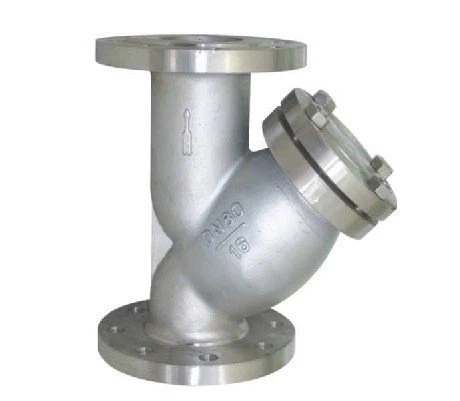
- Check the Screen: First, shut off the flow of the fluid in the pipeline. Then, carefully remove the strainer cover. Inspect the screen for any signs of blockage. If it's clogged with dirt, rust, or other particles, clean it thoroughly. You can use a brush or soak it in a mild cleaning solution to get rid of the stubborn debris.
- Replace the Screen if Necessary: Sometimes, the screen might be damaged beyond repair. In that case, you'll need to replace it. We offer a variety of high - quality screens, like the SS316 Screen Y Strainer SS316, which is made of stainless steel and is very durable.
Leakage
Leakage around the strainer can be a real headache. It can lead to loss of fluid, safety hazards, and even damage to the surrounding equipment.
- Inspect the Gaskets: The most common cause of leakage is a damaged or worn - out gasket. Check the gaskets between the strainer body and the cover. If they are cracked, torn, or flattened, replace them immediately. Make sure to use the correct size and type of gasket for your strainer.
- Tighten the Bolts: Sometimes, the leakage is just due to loose bolts. Use a wrench to carefully tighten the bolts around the strainer cover. But be careful not to over - tighten them, as this can damage the strainer body or the gasket.
Vibration
Excessive vibration in the strainer can cause noise, premature wear of the components, and even structural damage over time.
- Check the Mounting: Make sure the strainer is properly mounted to the pipeline. Loose mounts can cause the strainer to vibrate. Tighten any loose mounting brackets or clamps.
- Inspect the Flow Rate: High flow rates can sometimes cause vibration. Check if the flow rate in the pipeline is within the recommended range for your strainer. If it's too high, you might need to adjust the flow using a valve or other flow - control device.
3. Regular Maintenance
Preventive maintenance is always better than reactive troubleshooting. Here are some tips for regular maintenance of your Cast Iron Y Strainer:
- Schedule Regular Inspections: Set a regular schedule to inspect the strainer, say once a month or once a quarter depending on the operating conditions. Check for any signs of wear, damage, or blockage.
- Clean the Strainer Periodically: Even if there are no obvious signs of blockage, it's a good idea to clean the strainer regularly. This will help prevent the build - up of debris and extend the life of the strainer.
- Lubricate Moving Parts: If your strainer has any moving parts, like a valve or a handle, lubricate them regularly to ensure smooth operation.
4. When to Seek Professional Help
Sometimes, the problem might be too complex for you to handle on your own. Here are some situations where you should seek professional help:
- Structural Damage: If you notice any cracks, dents, or other structural damage to the strainer body, it's best to call in a professional. They have the expertise and tools to assess the damage and determine the best course of action.
- Persistent Problems: If you've tried all the troubleshooting steps and the problem still persists, it's time to get professional assistance. They can perform more in - depth diagnostics and find a solution.
5. Why Choose Our Cast Iron Y Strainers
As a supplier, we take pride in offering high - quality Cast Iron Y Strainers. Our strainers are made from top - grade cast iron, which ensures durability and long - term performance. We also offer a wide range of options, like different sizes, connection types (such as Flange Connection Stainless Steel Y Strainer With Ss Filter), and screen materials to meet your specific needs.
If you're having any trouble with your Cast Iron Y Strainer or if you're looking to purchase a new one, don't hesitate to reach out. We're here to help you with all your strainer - related needs. Whether it's troubleshooting advice, product selection, or after - sales support, we've got you covered.
In conclusion, troubleshooting a Cast Iron Y Strainer isn't rocket science. By following the steps outlined in this blog, you can easily identify and fix most common problems. And remember, regular maintenance is key to keeping your strainer in top condition. So, take good care of your strainer, and it will serve you well for years to come.
If you're interested in purchasing our Cast Iron Y Strainers or need more information, feel free to contact us. We're looking forward to having a chat with you and helping you find the perfect strainer for your application.
References
- Piping Handbook, McGraw - Hill
- Industrial Filtration Handbook, Elsevier