Selecting the right size of a flat gate valve is a critical decision that can significantly impact the efficiency, safety, and longevity of your piping system. As a trusted flat gate valve supplier, we understand the complexities involved in this process and are here to guide you through the key considerations to ensure you make the best choice for your specific application.
Understanding the Basics of Flat Gate Valves
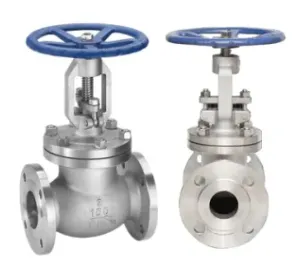
Flat gate valves are widely used in various industries for their simple design, reliable performance, and ability to provide a full-bore flow path. They consist of a flat gate that moves perpendicular to the flow direction to open or close the valve. When fully open, the gate is retracted into the valve bonnet, allowing for unobstructed flow with minimal pressure drop. This makes them ideal for applications where a straight-through flow is required, such as in water supply systems, oil and gas pipelines, and industrial process lines.
Factors to Consider When Choosing the Size of a Flat Gate Valve
Flow Rate
One of the primary factors to consider when selecting the size of a flat gate valve is the flow rate of the fluid in the pipeline. The flow rate is typically measured in gallons per minute (GPM) or cubic meters per hour (m³/h). To determine the appropriate valve size, you need to calculate the flow rate based on the specific requirements of your application. This can be done using the following formula:
Flow Rate (Q) = Velocity (V) x Cross-sectional Area (A)
The velocity of the fluid depends on the type of fluid, the pressure in the pipeline, and the diameter of the pipe. Once you have calculated the flow rate, you can select a valve size that can handle the required flow without causing excessive pressure drop or turbulence.


Pressure Rating
Another important consideration is the pressure rating of the valve. The pressure rating indicates the maximum pressure that the valve can safely withstand without leaking or failing. It is typically expressed in pounds per square inch (PSI) or bar. When selecting a valve size, you need to ensure that the pressure rating of the valve is compatible with the operating pressure of your pipeline. If the pressure rating of the valve is too low, it may not be able to handle the pressure in the pipeline, leading to leaks or even valve failure. On the other hand, if the pressure rating is too high, it may result in unnecessary costs.
Pipe Size
The size of the pipe in your pipeline is also a crucial factor in determining the size of the flat gate valve. The valve size should match the pipe size to ensure a proper fit and efficient flow. Using a valve that is too small for the pipe can restrict the flow and cause excessive pressure drop, while using a valve that is too large can result in higher costs and may not provide the desired level of control.
Application Requirements
The specific requirements of your application can also influence the choice of valve size. For example, if you are using the valve in a high-temperature or high-pressure application, you may need to select a valve with a larger size and a higher pressure rating to ensure its reliability and safety. Similarly, if you are using the valve in a corrosive environment, you may need to choose a valve made of a material that is resistant to corrosion.
Sizing Guidelines for Flat Gate Valves
Based on the factors discussed above, here are some general sizing guidelines for flat gate valves:
- Small Flow Rates: For applications with small flow rates (less than 100 GPM or 22.7 m³/h), a valve size of 1/2 inch to 2 inches is typically sufficient.
- Medium Flow Rates: For applications with medium flow rates (between 100 GPM and 1000 GPM or 22.7 m³/h and 227 m³/h), a valve size of 2 inches to 6 inches is usually appropriate.
- Large Flow Rates: For applications with large flow rates (greater than 1000 GPM or 227 m³/h), a valve size of 6 inches or larger may be required.
It is important to note that these are just general guidelines, and the actual valve size may need to be adjusted based on the specific requirements of your application.
Our Product Range
As a leading flat gate valve supplier, we offer a wide range of high-quality flat gate valves to meet the diverse needs of our customers. Our product range includes Cast Iron F4 Resilient Seated Gate Valve, Cast Iron Brass Sealed Rising Stem Gate Valves, and 16bar Dustile Iron Nrs Resilient Seat Wedge Gate Valve. These valves are available in various sizes and pressure ratings to ensure that you can find the right valve for your specific application.
Conclusion
Choosing the right size of a flat gate valve is a crucial step in ensuring the efficient and reliable operation of your piping system. By considering factors such as flow rate, pressure rating, pipe size, and application requirements, you can select a valve that meets your specific needs and provides long-lasting performance. As a trusted flat gate valve supplier, we are committed to providing our customers with high-quality products and expert advice to help them make the best choice for their applications. If you have any questions or need assistance in selecting the right valve size, please do not hesitate to contact us. We look forward to working with you to meet your valve needs.
References
- Crane Co., "Flow of Fluids Through Valves, Fittings, and Pipe," Technical Paper No. 410.
- Valve Manufacturers Association of America (VMAA), "Valve Handbook."