Hey there! As a supplier of Knife Gate Valves, I often get asked about the stem design of these valves. So, I thought I'd take a few minutes to break it down for you.
First off, let's talk about what a Knife Gate Valve is. It's a type of valve used mainly in applications where there's a need to cut through thick, viscous fluids or slurries. Think of industries like mining, pulp and paper, wastewater treatment, and food processing. These valves have a sharp-edged gate that slices through the media, making them ideal for handling tough materials.


Now, onto the stem design. The stem is a crucial part of the Knife Gate Valve. It's what connects the actuator (the part that makes the valve open and close) to the gate. The design of the stem can vary depending on the specific requirements of the application and the type of operation.
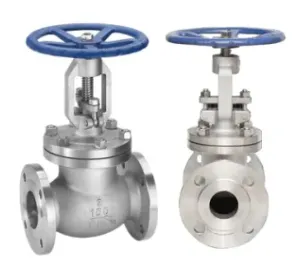
One common type of stem design is the rising stem. In a Manual Rising Stem Knife Gate Valves, the stem moves up and down as the valve is opened or closed. You can tell if the valve is open or closed just by looking at the position of the stem. When the stem is fully extended, the valve is open, and when it's fully retracted, the valve is closed. This design is great because it gives a visual indication of the valve's position, which is really handy for operators.
The rising stem design also has some mechanical advantages. It allows for better control over the gate's movement, as the stem directly transfers the force from the actuator to the gate. This means that the valve can be opened and closed more precisely, which is important in applications where you need to regulate the flow of the media accurately.
Another type of stem design you might come across is the non - rising stem. In this design, the stem rotates but doesn't move up and down. Instead, the gate moves up and down along the stem as it rotates. This design is more compact and takes up less space compared to the rising stem design. It's often used in applications where space is limited, like in some underground pipelines or in tight valve installations.
However, the non - rising stem design doesn't provide a visual indication of the valve's position as easily as the rising stem design. Operators might need to rely on other methods, like position indicators or control systems, to know if the valve is open or closed.
The material of the stem is also an important consideration. Stems are typically made from materials that can withstand the forces and stresses involved in opening and closing the valve, as well as the corrosive effects of the media. Stainless steel is a popular choice because it's strong, durable, and resistant to corrosion. In some applications where the media is highly corrosive, special alloys or coated stems might be used to ensure long - term performance.
Now, let's talk about the connection between the stem and the gate. This connection needs to be strong and reliable to ensure that the valve operates smoothly. Most Knife Gate Valves use a threaded connection between the stem and the gate. This allows for easy assembly and disassembly, which is useful for maintenance and repair purposes.
The stem design also affects the valve's sealing performance. A well - designed stem ensures that the gate is properly aligned with the seat, which is crucial for creating a tight seal. When the valve is closed, the gate needs to fit snugly against the seat to prevent any leakage of the media. The stem helps to maintain this alignment, and a good stem design can improve the valve's sealing efficiency over time.
In addition to the basic stem designs, there are also some advanced features that can be incorporated into the stem design. For example, some stems are designed with a self - lubricating feature. This reduces the friction between the stem and the valve body, which makes the valve easier to operate and can also extend the lifespan of the stem and other components.
Some Knife Gate Valves also have a stem protection feature. This can be in the form of a stem sleeve or a coating that protects the stem from damage due to abrasion, corrosion, or impact. This is especially important in harsh environments where the stem is exposed to rough media or external elements.
When it comes to choosing the right stem design for your application, there are a few factors to consider. First, think about the type of media you'll be handling. If it's a thick, abrasive slurry, you might need a more robust stem design with good wear resistance. If space is a concern, a non - rising stem design could be a better choice.
You also need to consider the operating conditions. If the valve will be operated frequently, you'll want a stem design that can withstand the repeated stress and movement. And of course, budget is always a factor. Some advanced stem designs with special features might cost more, so you need to balance the benefits against the cost.
We also offer other types of gate valves, such as the Bevel Gear Flanged Gate Valve Z541H and the Resilient Seated Gate Valve. Each of these valves has its own unique features and applications, but the stem design still plays a crucial role in their performance.
If you're in the market for Knife Gate Valves or any other types of gate valves, we're here to help. Our team of experts can assist you in choosing the right valve with the appropriate stem design for your specific needs. Whether you're a small - scale operation or a large industrial facility, we've got the valves to meet your requirements.
So, if you're interested in learning more or want to start a purchase negotiation, don't hesitate to reach out. We're ready to work with you to find the best valve solutions for your business.
References
- "Valve Handbook: Principles and Applications" by Toby A. T. Noakes
- "Industrial Valves: A Guide to Selection, Specification, and Application" by James R. McKetta