Picking the right size of a gate valve can be a real head - scratcher, especially if you're not super familiar with all the technical stuff. But don't worry! As a gate valve supplier, I'm here to break it down for you in a way that's easy to understand.
First off, let's talk about why the size of a gate valve matters so much. The size directly affects how well the valve works in a given system. If it's too small, it can restrict the flow of fluid, causing all sorts of problems like pressure build - up and reduced efficiency. On the other hand, if it's too big, it might be more expensive than necessary and could lead to improper sealing and other issues.
One of the first things you need to consider is the flow rate of the fluid in your system. Flow rate is basically how much fluid passes through a certain point in a given amount of time, usually measured in gallons per minute (GPM) or cubic meters per hour (m³/h). To figure out the right valve size for your flow rate, you'll need to look at the valve's flow coefficient, also known as Cv. The Cv value tells you how much fluid a valve can pass at a specific pressure drop. A higher Cv means the valve can handle more flow.
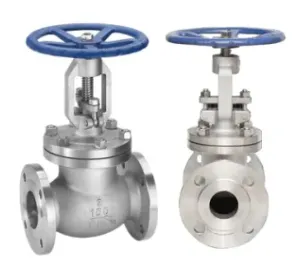
Let's say you've got a system with a relatively high flow rate. You'll want a valve with a high Cv value. For example, if you're dealing with a large - scale industrial process where a lot of water or another liquid needs to be moved quickly, you might need a larger gate valve. Our Resilient Seated Gate Valve comes in different sizes, and you can choose the one with an appropriate Cv for your flow requirements.
Another important factor is the pressure in your system. Pressure can vary widely depending on the application. In a high - pressure system, you need a valve that can withstand that pressure without leaking or failing. Smaller valves might not be able to handle high pressures as well as larger ones. You also need to consider the pressure rating of the valve. The pressure rating indicates the maximum pressure the valve can safely handle.
For instance, if you're working with a system that has a pressure of 16 bar, our 16bar Dustile Iron Nrs Resilient Seat Wedge Gate Valve is a great option. It's designed to handle that level of pressure effectively. But make sure to double - check the pressure rating of the valve you're considering against the actual pressure in your system.
The type of fluid you're dealing with also plays a role in choosing the right valve size. Different fluids have different properties, such as viscosity. Viscosity is a measure of how thick or thin a fluid is. Thick, viscous fluids like oil flow more slowly than thin fluids like water. If you're dealing with a viscous fluid, you might need a larger valve to ensure a smooth flow.
In some cases, the temperature of the fluid can be a factor too. High - temperature fluids can cause the valve materials to expand or degrade over time. You need to choose a valve made from materials that can withstand the temperature of your fluid. And again, the size of the valve can be affected by these factors. A larger valve might be better able to handle the thermal stress caused by high - temperature fluids.
The pipe size in your system is another obvious consideration. The valve should be compatible with the pipe size. You don't want a valve that's either too big or too small for the pipes it's going to be connected to. Usually, it's a good idea to choose a valve with the same nominal size as the pipe. However, there are some situations where you might need to use a reducer or an expander to connect the valve to the pipe.
Let's talk about some specific types of gate valves and how size selection might differ for each. Our Manual Rising Stem Knife Gate Valves are often used in applications where you need to cut through thick or abrasive fluids. When choosing the size of a knife gate valve, you need to consider the size of the particles in the fluid. If the fluid contains large particles, you'll need a larger valve opening to prevent clogging.
It's also important to think about the future. If you plan to expand your system or increase the flow rate in the future, it might be a good idea to choose a slightly larger valve than you currently need. This can save you the hassle and cost of replacing the valve later on.
Now, I know all this information can seem a bit overwhelming. But as a gate valve supplier, we're here to help. Our team of experts can assist you in choosing the right size of gate valve for your specific needs. We've got a wide range of gate valves, and we can provide you with all the technical details you need to make an informed decision.


If you're still not sure which size of gate valve is right for you, don't hesitate to reach out to us. We can have a detailed discussion about your system, your requirements, and help you pick the perfect valve. Whether you're working on a small - scale project or a large - scale industrial application, we've got the expertise and the products to meet your needs. So, if you're in the market for a gate valve, let's start the conversation and get you the right valve for your system.
References
- "Valve Handbook: Selection, Specification, Installation, and Maintenance", Various Authors
- Manufacturer's technical documentation for gate valves