As a supplier of Rising Stem Gate Valves, I've seen firsthand how valve design can significantly affect flow resistance. Let's dive into this topic to understand the impact better.
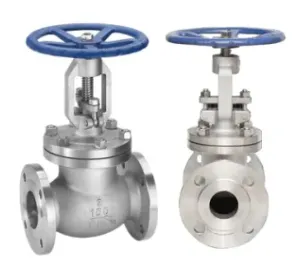
First off, what exactly is a Rising Stem Gate Valve? Well, it's a type of valve used to control the flow of fluids in a pipeline. The stem rises as the valve opens, which gives us a visual indication of the valve's position. You can check out more about it here.
The design of a Rising Stem Gate Valve plays a crucial role in determining its flow resistance. One of the key factors is the shape of the gate. The gate is the part of the valve that moves up and down to open or close the flow path. A well - designed gate can minimize flow resistance and ensure smooth passage of the fluid.
For instance, a flat gate design is commonly used in Rising Stem Gate Valves. In a flat gate valve, the gate has a flat surface that moves perpendicular to the flow direction. This design offers relatively low flow resistance when the valve is fully open, as the opening provides a straight - through path for the fluid. However, when the valve starts to close, the flow resistance begins to increase. The fluid has to flow through a narrowing gap between the gate and the valve seat, creating turbulence and increasing the pressure drop.
On the other hand, there are some advanced gate designs that can offer even better performance in terms of flow resistance. For example, there are gates with streamlined profiles. These profiles are designed to reduce the formation of eddies and turbulence around the gate, allowing the fluid to flow more smoothly. When the fluid can flow smoothly, the flow resistance is reduced, and the energy consumption of the pipeline system can be minimized.
The size of the valve also has a big impact on flow resistance. A larger valve generally has lower flow resistance because it provides a wider flow area. When the cross - sectional area of the flow path is larger, the fluid experiences less restriction, and the flow can occur more freely. But of course, larger valves are more expensive and may take up more space, so there's a trade - off between flow resistance and cost, as well as installation requirements.
Another aspect of valve design that affects flow resistance is the quality of the valve seat. The valve seat is the surface against which the gate seals when the valve is closed. A well - machined and properly installed valve seat can ensure a tight seal when the valve is closed and a smooth flow path when the valve is open. If the valve seat is irregular or damaged, it can cause leaks, increase turbulence, and ultimately raise the flow resistance.
Now, let's talk about some real - world applications. In industries like oil and gas, chemical processing, and water treatment, where large - scale fluid transportation is involved, minimizing flow resistance is crucial. High flow resistance means higher energy costs to pump the fluid through the pipeline. And that's where a well - designed Rising Stem Gate Valve can make a big difference.

Take the oil and gas industry as an example. Pipelines are used to transport crude oil and natural gas over long distances. A valve with a design that reduces flow resistance can save a significant amount of energy during the transportation process. This not only cuts down on operational costs but also reduces the environmental impact associated with energy consumption.
In chemical processing plants, different types of chemicals are transported through pipelines. The flow resistance of valves can affect the efficiency of the entire production process. If the flow resistance is too high, it can lead to uneven distribution of chemicals, affecting the quality of the final products.
For water treatment facilities, valves are used to control the flow of water at various stages of the treatment process. Low - flow - resistance valves can ensure a more efficient use of energy and a more stable water flow, which is essential for the proper functioning of the treatment equipment.
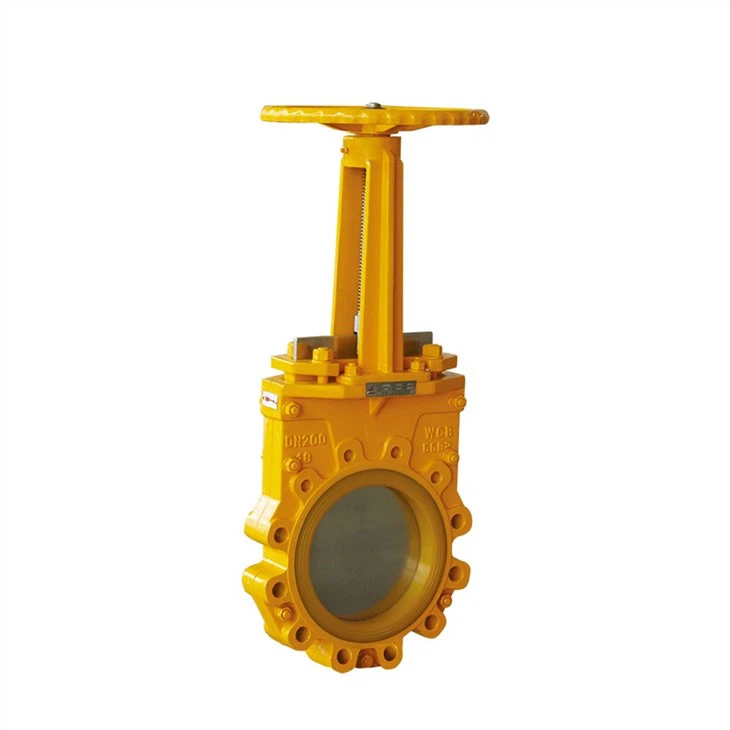
As a Rising Stem Gate Valve supplier, we understand the importance of providing valves with optimal designs to reduce flow resistance. We offer a range of valve products, such as the Manual Slurry Valve and the Bevel Gear Flanged Gate Valve Z541H. These valves are designed with features that aim to minimize flow resistance and improve overall performance.
If you're in the market for Rising Stem Gate Valves or other types of valves, we're here to help. Our team of experts can work with you to understand your specific requirements and recommend the best valve solutions for your application. Whether you need a valve for a small - scale project or a large - scale industrial operation, we can provide high - quality products that meet your needs.
Contact us to start a discussion about your valve procurement. We're eager to work with you to find the best valve designs that can optimize your pipeline system's performance and save you money in the long run.
References
- Fluid Mechanics textbooks
- Industry reports on valve performance and applications