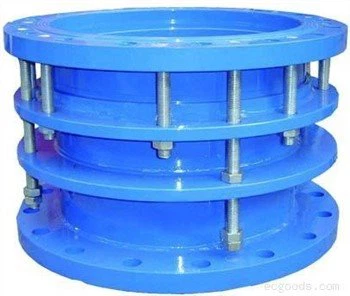
Hey there! I'm a supplier of Dismanting Joints, and today I want to share some practical tips on how to clean a dismantling joint. Cleaning your dismantling joints regularly is super important for their proper functioning and longevity. It helps prevent corrosion, reduces the risk of leaks, and ensures that the joints operate as smoothly as possible.
Gathering the Right Tools
First things first, you gotta gather the right tools for the job. You'll need some basic stuff like a wire brush. This is great for getting rid of any loose debris, rust, or scale that might have built up on the surface of the joint. A soft cloth is also essential. You can use it for cleaning up any remaining dirt after using the wire brush, as well as for applying cleaning agents.


In addition to these, you'll need a suitable cleaning agent. There are different types of cleaning agents available, and the one you choose depends on the material of your dismantling joint and the type of buildup you're dealing with. For example, if there's a lot of grease or oil, a degreaser might be the way to go. If it's mainly rust and mineral deposits, a rust remover could do the trick. Make sure to choose a cleaning agent that's compatible with the material of your joint to avoid any damage.
Safety Precautions
Before you start cleaning, it's really important to take some safety precautions. Wear appropriate protective gear, like gloves and safety glasses. The cleaning agents can be harsh on your skin and eyes, so it's better to be safe than sorry. Also, make sure the joint is completely shut off and depressurized. You don't want any unexpected leaks or pressure releases while you're working on it.
Step-by-Step Cleaning Process
Step 1: Inspect the Joint
Before you start cleaning, take a good look at the joint. Check for any signs of damage, like cracks, dents, or excessive wear. If you notice any serious issues, it might be a good idea to consult a professional or consider replacing the joint. Also, note down any areas that seem to have a lot of buildup or are particularly dirty.
Step 2: Remove Loose Debris
Use the wire brush to gently scrub the surface of the joint. Start from one end and work your way around, making sure to get into all the nooks and crannies. This will help remove any loose dirt, rust, or scale. Be careful not to scrub too hard, as you don't want to damage the surface of the joint.
Step 3: Apply the Cleaning Agent
Once you've removed the loose debris, it's time to apply the cleaning agent. Follow the instructions on the cleaning agent's label carefully. Usually, you'll need to spray or brush the agent onto the surface of the joint and let it sit for a certain amount of time to allow it to work. This time can vary depending on the product and the severity of the buildup.
Step 4: Scrub the Joint Again
After the cleaning agent has had time to work, use the wire brush again to scrub the joint. This will help loosen any stubborn deposits that the cleaning agent has started to break down. Pay extra attention to the areas you noted earlier that had a lot of buildup.
Step 5: Rinse the Joint
Once you're satisfied with the scrubbing, rinse the joint thoroughly with clean water. Make sure to remove all traces of the cleaning agent. You can use a hose or a bucket of water for this. Rinse from all angles to ensure that no cleaning agent is left behind.
Step 6: Dry the Joint
After rinsing, use a soft cloth to dry the joint completely. Moisture can lead to corrosion, so it's important to make sure the joint is dry before you put it back into use. You can also let it air dry for a while if you want to be extra sure.
Maintenance Tips
Cleaning your dismantling joint is not a one-time thing. To keep it in good condition, you should have a regular maintenance schedule. Depending on how often the joint is used and the environment it's in, you might need to clean it every few months or once a year.
Also, keep an eye on the joint during normal operation. If you notice any signs of leaks, unusual noises, or reduced performance, it could be a sign that the joint needs cleaning or further inspection.
Related Products
If you're interested in other types of joints, we also offer Double Flange Expansion Joint and Flange Pipe Expansion Joint. These joints have their own unique features and applications, and they also require proper cleaning and maintenance to ensure optimal performance.
Contact for Purchase
If you're in the market for high-quality Dismanting Joints or any of our other products, don't hesitate to reach out. We're here to provide you with the best products and services. Whether you have questions about cleaning, installation, or just want to discuss your specific needs, we're happy to help.
References
- Pipe Fittings Handbook
- Maintenance Guide for Industrial Joints