Installing a rubber elbow in a tight space can be a challenging yet rewarding task. As a seasoned rubber elbow supplier, I've encountered numerous scenarios where clients faced difficulties in this area. In this blog, I'll share some expert tips on how to successfully install a rubber elbow in a confined space.


Understanding the Rubber Elbow
Before diving into the installation process, it's crucial to understand the nature of rubber elbows. These components are made from high - quality rubber materials, which offer flexibility, corrosion resistance, and the ability to absorb vibrations. Rubber elbows are commonly used in plumbing, HVAC systems, and industrial piping applications. Their design allows for changes in the direction of fluid flow while compensating for thermal expansion and contraction.
Pre - installation Preparations
1. Assess the Space
The first step is to thoroughly assess the tight space where the rubber elbow will be installed. Measure the available width, length, and height. Note any obstacles such as nearby pipes, electrical wires, or structural components. This will help you determine the most suitable rubber elbow size and installation method. For example, if the space is extremely narrow, a smaller - sized rubber elbow might be required.
2. Gather the Right Tools
Having the appropriate tools is essential for a smooth installation. You'll need a pipe cutter (if the existing pipes need to be modified), a sealant, a wrench, and a measuring tape. Make sure all tools are in good working condition. For instance, a dull pipe cutter can lead to uneven cuts, which may affect the fit of the rubber elbow.
3. Select the Correct Rubber Elbow
As a rubber elbow supplier, I know that choosing the right product is key. Consider the material of the rubber elbow based on the application. For example, if it's for a chemical - handling system, a chemical - resistant rubber elbow is necessary. Also, pay attention to the angle of the elbow. Common angles include 45 degrees and 90 degrees, but other custom angles may be available depending on your needs.
Installation Steps
1. Prepare the Pipes
If you're connecting the rubber elbow to existing pipes, the pipes need to be clean and free of debris. Use a pipe cleaner or a cloth to remove any dirt, rust, or old sealant. Cut the pipes to the appropriate length if necessary. Ensure that the cuts are straight and smooth for a proper fit.
2. Apply Sealant
Apply a suitable sealant to both the inside of the rubber elbow and the ends of the pipes. This will prevent leaks and ensure a tight connection. Be careful not to apply too much sealant, as it can squeeze out and cause a mess. A thin, even layer is usually sufficient.
3. Insert the Rubber Elbow
In a tight space, inserting the rubber elbow can be tricky. Start by carefully aligning the elbow with the pipes. You may need to use a lubricant to ease the insertion process. Gently push the elbow onto the pipes, making sure it fits snugly. If the space is very limited, you might need to use a special tool or a helper to hold the elbow in place while you make the connection.
4. Secure the Connection
Once the rubber elbow is in place, use a wrench to tighten any bolts or clamps. Make sure the connection is tight but avoid over - tightening, as this can damage the rubber elbow. Check for any signs of misalignment or gaps between the elbow and the pipes.
5. Check for Leaks
After the installation is complete, turn on the fluid flow and check for leaks. Inspect the connection points carefully. If you notice any leaks, tighten the bolts or clamps slightly or add more sealant as needed.
Dealing with Challenges in Tight Spaces
1. Limited Access
When there's limited access to the installation area, it can be difficult to use standard tools. In such cases, consider using flexible or compact tools. For example, a flexible wrench can reach into tight corners more easily. You can also use mirror - like devices to help you see what you're doing in hard - to - reach areas.
2. Obstacles
If there are obstacles in the way, such as other pipes or equipment, you may need to re - route the pipes or remove the obstacles temporarily. However, this should be done with caution, especially in industrial settings where there may be safety concerns.
3. Alignment Issues
Maintaining proper alignment in a tight space can be a challenge. Use alignment guides or jigs if possible. You can also mark the pipes and the elbow to ensure that they are aligned correctly during installation.
Benefits of Using Rubber Elbows
Using rubber elbows in your piping systems offers several advantages. Firstly, as mentioned earlier, they absorb vibrations and reduce noise. This is particularly beneficial in HVAC systems where quiet operation is desired. Secondly, their flexibility allows them to adapt to changes in temperature and pressure without cracking or leaking. Thirdly, rubber elbows are corrosion - resistant, which increases the lifespan of the piping system.
Related Products
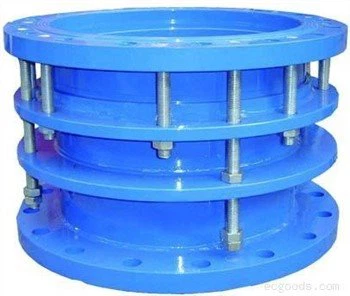
If you're interested in other piping components, we also offer Flange Pipe Expansion Joint and Double Flange Expansion Joint. These products are designed to handle thermal expansion and contraction in piping systems, similar to rubber elbows. They are suitable for a wide range of applications and can be a great addition to your piping system.
Contact for Procurement
If you're in need of rubber elbows or any of our related products, we're here to help. We take pride in providing high - quality products and excellent customer service. Whether you're a small - scale contractor or a large - scale industrial client, we can meet your requirements. Reach out to us for a detailed quote and to discuss your specific needs. We're confident that our products will exceed your expectations and provide long - lasting performance in your applications.
References
- “Piping Handbook” by Cameron Engineering and Associates.
- Manufacturer's guidelines for rubber elbow installation.
- Industry standards for piping system components.