In vacuum applications, ensuring the air - tightness of a Bellows Gate Valve is of utmost importance. As a reliable Bellows Gate Valve supplier, I understand the critical role these valves play in maintaining the integrity of vacuum systems. In this blog, I will share some key strategies and considerations for guaranteeing the air - tightness of Bellows Gate Valves in vacuum environments.
Understanding the Basics of Bellows Gate Valves in Vacuum Applications
Bellows Gate Valves are designed to control the flow of fluids, especially in applications where preventing leakage is crucial. In vacuum systems, even a minor leak can disrupt the entire operation, leading to reduced efficiency, increased energy consumption, and potential damage to the equipment. The bellows component in these valves serves as a flexible seal, isolating the stem from the process media and preventing external air from entering the vacuum chamber.
Material Selection
The choice of materials for Bellows Gate Valves is fundamental to ensuring air - tightness. For the bellows itself, materials such as stainless steel are commonly used due to their excellent corrosion resistance, high strength, and good flexibility. Stainless steel bellows can withstand the harsh conditions in vacuum applications, including low temperatures and high pressures.
The valve body and other components should also be made of materials that are compatible with the process media and the vacuum environment. For example, in some chemical vacuum processes, valves made of corrosion - resistant alloys may be required. Additionally, the sealing materials, such as gaskets and O - rings, must have low outgassing properties. Outgassing occurs when materials release gas molecules under vacuum conditions, which can contaminate the vacuum environment and compromise the air - tightness of the valve. Materials like fluorocarbon elastomers are often used for their low outgassing characteristics and good sealing performance.
Design and Manufacturing Precision
Precise design and manufacturing are essential for achieving optimal air - tightness. The bellows must be designed with the correct number of convolutions and thickness to ensure proper flexibility and sealing. A well - designed bellows should be able to withstand repeated cycles of compression and expansion without losing its integrity.


During the manufacturing process, strict quality control measures should be implemented. The welding of the bellows to the valve components must be of high quality to prevent any potential leakage points. Non - destructive testing methods, such as X - ray inspection and helium mass spectrometry leak detection, can be used to detect any hidden defects in the bellows and the valve body.
Installation and Commissioning
Proper installation is a crucial step in ensuring the air - tightness of Bellows Gate Valves. The valve should be installed in accordance with the manufacturer's instructions. The alignment of the valve components is critical; any misalignment can cause uneven stress on the bellows and sealing surfaces, leading to leakage.
Before commissioning the valve, a thorough leak test should be conducted. This can be done using a helium mass spectrometer leak detector, which is a highly sensitive method for detecting even the smallest leaks. The test should be performed under the actual operating conditions of the vacuum system to ensure accurate results.
Maintenance and Inspection
Regular maintenance and inspection are necessary to keep the Bellows Gate Valve air - tight over time. The valve should be inspected for any signs of wear, corrosion, or damage to the bellows, sealing materials, and other components.
The bellows should be checked for any cracks or leaks, especially after a certain number of operating cycles. If any damage is detected, the bellows should be replaced immediately. The sealing materials should also be inspected regularly and replaced if they show signs of degradation.
In addition, the valve should be cleaned periodically to remove any contaminants that may accumulate on the sealing surfaces. Contaminants can prevent the valve from closing properly, leading to leakage.
Comparison with Other Gate Valves
It is worth comparing Bellows Gate Valves with other types of gate valves, such as the Knife Gate Valve. Knife Gate Valves are commonly used in applications where the media contains solids or slurries. While they can provide a good shut - off in some cases, they may not be as suitable for vacuum applications as Bellows Gate Valves. Knife Gate Valves may have more leakage paths due to their design, and they may not be able to provide the same level of air - tightness as Bellows Gate Valves.
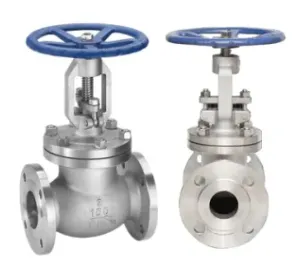
Another type of gate valve is the Rising Stem Flanged Gate Valve Z41H. This valve is often used in general industrial applications. However, in vacuum applications, the design of the rising stem may introduce additional leakage risks, especially if the stem packing is not properly maintained. Bellows Gate Valves, on the other hand, use the bellows to isolate the stem from the vacuum environment, reducing the risk of leakage.
Testing and Certification
To ensure the air - tightness of Bellows Gate Valves, they should undergo rigorous testing and obtain relevant certifications. Vacuum leak testing standards, such as ISO 3530, provide guidelines for measuring the leakage rate of valves in vacuum applications. Valves that meet these standards are more likely to provide reliable air - tightness.
Certifications from recognized organizations, such as API (American Petroleum Institute) and ASME (American Society of Mechanical Engineers), can also serve as an indication of the valve's quality and air - tightness. These certifications ensure that the valve has been manufactured and tested according to strict industry standards.
Conclusion
Ensuring the air - tightness of Bellows Gate Valves in vacuum applications requires a comprehensive approach that includes proper material selection, precise design and manufacturing, correct installation, regular maintenance, and thorough testing. As a Bellows Gate Valve supplier, I am committed to providing high - quality valves that meet the strict requirements of vacuum applications.
If you are in need of Bellows Gate Valves for your vacuum systems, or if you have any questions about ensuring air - tightness, please feel free to contact us for further discussions and potential procurement opportunities. We are ready to offer you professional advice and solutions to meet your specific needs.
References
- ASME Boiler and Pressure Vessel Code
- ISO 3530: Vacuum technology - Mass - spectrometer - type leak - detectors - Characterization
- Valve Handbook, edited by Robert A. Mathias and John H. Matthews