Hey there! As a butterfly valve supplier, I've seen firsthand how crucial it is to maintain hygiene in food-grade applications. In this blog post, I'll share some tips on how to ensure the hygiene of a butterfly valve in such settings.
Understanding the Basics of Hygiene in Food-Grade Applications
First things first, let's talk about why hygiene is so important in food-grade applications. When it comes to food processing, storage, and distribution, any contamination can lead to serious health risks for consumers. That's why strict regulations and standards are in place to ensure that all equipment used in the food industry meets high hygiene standards.
A butterfly valve is a common type of valve used in food-grade applications. It's designed to control the flow of liquids or gases by rotating a disc inside the valve body. To ensure its hygiene, we need to consider several factors, including the materials used, the design of the valve, and the cleaning and maintenance procedures.
Choosing the Right Materials
The materials used in the construction of a butterfly valve play a significant role in its hygiene. For food-grade applications, it's essential to choose materials that are non-toxic, corrosion-resistant, and easy to clean.
Stainless steel is a popular choice for food-grade butterfly valves. It's highly resistant to corrosion, which means it won't rust or corrode when in contact with food products or cleaning agents. Additionally, stainless steel is smooth and non-porous, making it easy to clean and sanitize.
Another important consideration is the elastomers used in the valve, such as the seals and gaskets. These materials should be food-grade compliant and resistant to chemicals and high temperatures. For example, EPDM (Ethylene Propylene Diene Monomer) is a commonly used elastomer in food-grade applications because it's non-toxic, flexible, and resistant to a wide range of chemicals.
Design Considerations for Hygiene
The design of the butterfly valve also affects its hygiene. A well-designed valve should have a smooth interior surface to prevent the accumulation of food particles and bacteria. It should also be free of crevices, dead spaces, and sharp edges where food debris can get trapped.
One design feature to look for is a full-port design, which means the valve disc has the same diameter as the pipe. This allows for a smooth and unobstructed flow of food products, reducing the risk of contamination. Another important feature is a hygienic valve body with a polished finish, which makes it easier to clean and sanitize.
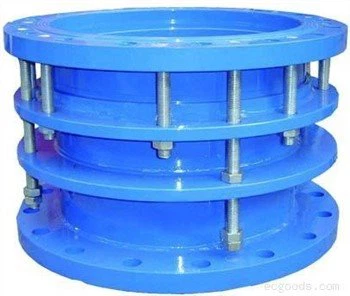
When choosing a butterfly valve for food-grade applications, you might consider our Expansion Flanged Butterfly Valve. It's designed with hygiene in mind, featuring a smooth interior surface and high-quality materials that are suitable for food processing.
Cleaning and Maintenance Procedures
Regular cleaning and maintenance are essential to ensure the hygiene of a butterfly valve in food-grade applications. Here are some steps you can take:
1. Pre-Cleaning Inspection
Before cleaning the valve, it's important to inspect it for any visible signs of damage or wear. Check the valve disc, seals, and gaskets for any cracks, tears, or signs of corrosion. If any damage is found, the affected parts should be replaced immediately.
2. Disassembly
If possible, disassemble the valve to clean all its components thoroughly. Follow the manufacturer's instructions for disassembly to avoid damaging the valve. Make sure to label all the parts to ensure proper reassembly.
3. Cleaning
Use a food-grade cleaning agent and warm water to clean the valve components. Scrub the surfaces gently with a soft brush to remove any food particles, dirt, or grease. Pay special attention to the areas around the valve disc, seals, and gaskets.
4. Sanitization
After cleaning, sanitize the valve components to kill any remaining bacteria or microorganisms. You can use a food-grade sanitizer or a solution of hot water and a mild bleach. Follow the manufacturer's instructions for the proper concentration and contact time.
5. Reassembly
Once the components are clean and dry, reassemble the valve carefully. Make sure all the parts are properly aligned and tightened to prevent leaks.
6. Testing
After reassembly, test the valve to ensure it's functioning properly. Check for any leaks or abnormal operation.
Regular Monitoring and Inspection
In addition to regular cleaning and maintenance, it's important to monitor and inspect the butterfly valve regularly. This can help detect any potential issues early and prevent contamination.
You can perform visual inspections of the valve during operation to check for any signs of wear, damage, or leakage. You can also use non-destructive testing methods, such as ultrasonic testing or dye penetrant testing, to detect any internal defects in the valve.
Training and Education
Proper training and education are essential for anyone involved in the operation, cleaning, and maintenance of butterfly valves in food-grade applications. Make sure all your employees are trained on the correct procedures for handling, cleaning, and maintaining the valves.
Provide them with clear instructions and guidelines on how to use the valves safely and hygienically. You can also organize regular training sessions to keep your employees updated on the latest industry standards and best practices.


Our Other Food-Grade Butterfly Valve Options
In addition to the Expansion Flanged Butterfly Valve, we also offer other food-grade butterfly valve options, such as the Handle Type Vertical Plate Ductile Iron Soft Seal Butterfly Valve and the Electric Actuated Lug Type Ductile Iron Butterfly Valve. These valves are designed to meet the high hygiene standards required in food-grade applications and are suitable for a variety of food processing and handling operations.
Conclusion
Ensuring the hygiene of a butterfly valve in food-grade applications is crucial for the safety and quality of food products. By choosing the right materials, designing the valve for hygiene, following proper cleaning and maintenance procedures, and conducting regular monitoring and inspection, you can minimize the risk of contamination and ensure the smooth operation of your food processing equipment.
If you're in the market for high-quality food-grade butterfly valves, don't hesitate to contact us for more information. We're here to help you choose the right valve for your specific application and provide you with the support and expertise you need to ensure its proper use and maintenance.
References
- "Food Safety and Hygiene in the Food Industry." Food and Agriculture Organization of the United Nations.
- "Valve Selection and Maintenance for Food and Beverage Applications." Valve Magazine.