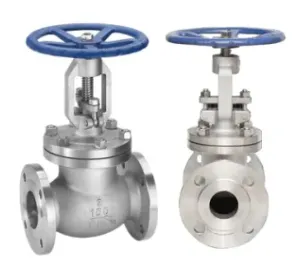
Hey there! As a supplier of ANSI Gate Valves, I've had my fair share of experiences with installing these valves in pipeline systems with multiple valves. It can be a bit tricky, but with the right know - how, it's totally doable. So, let's dive right into how you can install an ANSI Gate Valve in a pipeline system with multiple valves.


Pre - installation Checks
Before you even start thinking about installing the valve, there are a few things you need to check. First off, make sure the pipeline is clean. Any dirt, debris, or rust can cause problems later on, like reducing the valve's lifespan or affecting its performance. You can use a pipe cleaner or a compressed air system to blow out any unwanted particles.
Next, check the dimensions of the pipeline and the valve. ANSI Gate Valves come in different sizes, and you need to ensure that the valve you've got is the right fit for your pipeline. Measure the inner diameter of the pipeline and compare it with the valve's flange dimensions. If they don't match, you're going to have a tough time getting the valve installed properly.
Also, take a look at the pressure and temperature ratings of the valve. The valve should be able to handle the pressure and temperature conditions of your pipeline system. If you install a valve that can't handle the pressure, it could fail, leading to leaks or even more serious problems.
Tools You'll Need
To install the ANSI Gate Valve, you'll need a few tools. A wrench is a must - have. You'll use it to tighten the bolts that connect the valve to the pipeline. Make sure you've got the right size wrench for the bolts. A torque wrench is also a good idea. It helps you tighten the bolts to the correct torque, which is important for preventing leaks.
You'll also need a sealant. A good quality pipe sealant will help create a tight seal between the valve and the pipeline. This is crucial for preventing any fluid from leaking out. And don't forget a measuring tape. You'll use it to double - check the alignment of the valve and the pipeline.
Step - by - Step Installation
Step 1: Shut Down the Pipeline System
Before you start installing the valve, you need to shut down the pipeline system. This means turning off any pumps or other equipment that's moving fluid through the pipeline. You also need to relieve the pressure in the pipeline. You can do this by opening a drain valve or a pressure - relief valve. This is a safety measure to prevent any accidents during the installation process.
Step 2: Prepare the Pipeline Ends
Clean the ends of the pipeline where the valve will be installed. Remove any burrs or rough edges. You can use a file or a deburring tool for this. Then, apply a thin layer of pipe sealant to the flange faces of the pipeline. This will help create a better seal when you install the valve.
Step 3: Position the Valve
Carefully place the ANSI Gate Valve between the two pipeline ends. Make sure the valve is properly aligned with the pipeline. You can use a measuring tape to check the alignment. The valve should be straight and centered. If it's not aligned correctly, it could cause problems with the flow of fluid through the pipeline.
Step 4: Insert the Bolts
Insert the bolts through the holes in the valve flanges and the pipeline flanges. Make sure the bolts are the right size and length. You can use a bolt gauge to check this. Once the bolts are inserted, hand - tighten the nuts on the bolts. Don't fully tighten them yet.
Step 5: Tighten the Bolts
Use a wrench or a torque wrench to tighten the bolts. Start by tightening the bolts in a criss - cross pattern. This helps ensure that the valve is evenly tightened. Tighten the bolts to the recommended torque value. You can find this value in the valve's installation manual. Over - tightening the bolts can damage the valve or the pipeline, while under - tightening can lead to leaks.
Step 6: Check for Leaks
Once you've tightened the bolts, turn on the pipeline system and check for leaks. Look for any signs of fluid leaking around the valve flanges. If you find a leak, you may need to tighten the bolts a bit more or add some more sealant.
Dealing with Multiple Valves
When you're installing an ANSI Gate Valve in a pipeline system with multiple valves, there are a few extra things to keep in mind. First, make sure you know the function of each valve in the system. Some valves may be used for controlling the flow of fluid, while others may be used for isolating sections of the pipeline.
You also need to consider the sequence of valve installation. It's usually a good idea to install the valves in the order that they'll be used in the system. This can make it easier to test the system and troubleshoot any problems.
Another thing to consider is the spacing between the valves. You need to leave enough space between the valves for easy access and maintenance. If the valves are too close together, it can be difficult to operate them or perform any necessary repairs.
Recommended ANSI Gate Valves
We offer a wide range of ANSI Gate Valves that are perfect for pipeline systems with multiple valves. For example, our Non stem Flanged Gate Valve Z45H is a great choice. It's designed for reliable performance and easy installation. The non - stem design makes it more compact, which can be useful in systems where space is limited.
Our Manual Lug Type Knife Gate Valve is another excellent option. It's ideal for applications where you need to control the flow of thick or viscous fluids. The lug - type design allows for easy installation between flanges.
And if you're looking for a high - performance valve, our F5 Gate Valve is a top pick. It's built to withstand high pressures and temperatures, making it suitable for a variety of pipeline systems.
Contact Us for Your Valve Needs
If you're interested in purchasing ANSI Gate Valves for your pipeline system, don't hesitate to contact us. We've got a team of experts who can help you choose the right valve for your specific needs. Whether you're working on a small - scale project or a large - scale industrial pipeline system, we've got the valves and the knowledge to support you.
References
- "Valve Handbook: Selection, Installation, and Troubleshooting"
- Manufacturer's installation guides for ANSI Gate Valves