In the industry of fluid control, bronze butterfly valves are widely recognized for their excellent mechanical properties and cost - effectiveness. However, one persistent challenge that often plagues the performance and longevity of these valves is corrosion. As a dedicated bronze butterfly valve supplier, I understand the significance of enhancing the corrosion resistance of these valves to meet the diverse and demanding requirements of our customers. In this blog, I will share several effective strategies to improve the corrosion resistance of bronze butterfly valves.
Understanding the Corrosion Mechanisms in Bronze Butterfly Valves
Before delving into the solutions, it is crucial to understand the corrosion mechanisms that affect bronze butterfly valves. Bronze is an alloy primarily composed of copper and tin, with small amounts of other elements such as zinc, lead, or phosphorus. Corrosion can occur due to various factors, including the chemical composition of the fluid being controlled, the presence of oxygen and moisture, and the environmental conditions in which the valve operates.
One of the most common forms of corrosion in bronze is galvanic corrosion. When two dissimilar metals are in contact in the presence of an electrolyte, such as water or a corrosive fluid, an electrochemical cell is formed. This results in the flow of electric current, causing one metal (the anode) to corrode more rapidly than the other (the cathode). In the case of bronze butterfly valves, if the valve comes into contact with a different metal in the piping system, galvanic corrosion can occur at the contact points.
Another type of corrosion is pitting corrosion. This occurs when the passive oxide layer on the surface of the bronze is damaged, exposing the underlying metal to the corrosive environment. Pitting corrosion can lead to the formation of small holes or pits on the valve surface, which can eventually compromise the integrity of the valve.
Material Selection and Alloy Improvement
One of the fundamental ways to improve the corrosion resistance of bronze butterfly valves is through proper material selection and alloy improvement. The composition of the bronze alloy can be optimized to enhance its resistance to specific corrosive agents.
For example, adding elements such as nickel or manganese to the bronze alloy can improve its resistance to certain types of corrosion. Nickel can form a stable passive oxide layer on the surface of the bronze, which acts as a barrier against further corrosion. Manganese can enhance the strength and toughness of the alloy, while also improving its resistance to pitting corrosion.
In addition to alloying elements, the quality of the raw materials used in the manufacturing of the bronze butterfly valves is also crucial. High - purity metals should be used to minimize the presence of impurities, which can act as sites for corrosion initiation. Our company is committed to using the highest - quality raw materials in the production of our bronze butterfly valves to ensure their long - term corrosion resistance.
Surface Treatment Technologies
Surface treatment is another effective method to improve the corrosion resistance of bronze butterfly valves. There are several surface treatment technologies available, each with its own advantages and limitations.
Coating
Applying a protective coating to the surface of the bronze butterfly valve is a common method to prevent corrosion. There are various types of coatings available, including organic coatings, such as epoxy or polyurethane, and inorganic coatings, such as ceramic or zinc - based coatings.
Organic coatings are often used because they are easy to apply and can provide good protection against a wide range of corrosive agents. Epoxy coatings, for example, have excellent adhesion to the bronze surface and can form a durable barrier against moisture and chemicals. Polyurethane coatings, on the other hand, offer good abrasion resistance in addition to corrosion protection.
Inorganic coatings, such as ceramic coatings, can provide high - temperature and wear resistance, making them suitable for applications in harsh environments. Zinc - based coatings can also provide sacrificial protection to the bronze surface, similar to the principle of galvanizing.
Plating
Electroplating is another surface treatment method that can enhance the corrosion resistance of bronze butterfly valves. Zinc, nickel, and chrome are commonly used metals for electroplating. Zinc plating can provide sacrificial protection to the bronze, as zinc corrodes preferentially to the base metal. Nickel plating can improve the wear and corrosion resistance of the valve, while chrome plating can provide a decorative and corrosion - resistant finish.
Passivation
Passivation is a chemical treatment process that can be used to remove surface contaminants and enhance the formation of a passive oxide layer on the bronze surface. This process involves immersing the valve in a chemical solution, such as nitric acid or citric acid, which reacts with the surface of the bronze to form a thin, protective oxide layer. Passivation can significantly improve the corrosion resistance of the bronze butterfly valve, especially in applications where the valve is exposed to oxidizing environments.
Design Optimization
The design of the bronze butterfly valve can also play an important role in improving its corrosion resistance. A well - designed valve can minimize the accumulation of corrosive fluids, reduce the risk of crevice corrosion, and ensure uniform flow distribution.
Flow Path Design
The internal flow path of the bronze butterfly valve should be designed to minimize turbulence and stagnant areas. Turbulent flow can cause erosion - corrosion, where the corrosive fluid wears away the surface of the valve. Stagnant areas can lead to the accumulation of corrosive fluids and the formation of concentrated corrosive environments. Our engineers carefully design the flow path of our valves to ensure smooth flow and minimize the risk of corrosion.
Crevice Design
Crevices, such as the gaps between the valve disc and the seat or between the valve body and the flange, can be potential sites for crevice corrosion. To minimize this risk, the design of the valve should avoid creating sharp corners or narrow gaps. Sealing surfaces should be properly machined to ensure a tight fit and prevent the ingress of corrosive fluids into the crevices.
Maintenance and Monitoring
Even with the best material selection, surface treatment, and design, regular maintenance and monitoring are essential to ensure the long - term corrosion resistance of bronze butterfly valves.
Regular Inspection
Regular inspection of the valves can help detect early signs of corrosion, such as pitting, discoloration, or surface roughness. Visual inspection can be complemented by non - destructive testing methods, such as ultrasonic testing or magnetic particle testing, to detect internal defects or corrosion.
Cleaning and Lubrication
Cleaning the valves regularly can remove any accumulated dirt, debris, or corrosive substances from the surface. Lubrication of the moving parts of the valve, such as the stem and the disc, can reduce friction and wear, and also prevent the ingress of corrosive fluids into the internal components of the valve.
Condition Monitoring
Implementing a condition monitoring system can provide real - time information about the performance and corrosion status of the valves. This can involve the use of sensors to measure parameters such as temperature, pressure, and corrosion rate. By analyzing the data collected from these sensors, potential corrosion problems can be identified and addressed before they cause significant damage to the valves.

Conclusion
As a bronze butterfly valve supplier, we understand that improving the corrosion resistance of our valves is essential to meet the high - quality requirements of our customers. By optimizing material selection, applying appropriate surface treatment technologies, improving valve design, and implementing regular maintenance and monitoring, we can significantly enhance the corrosion resistance of bronze butterfly valves.
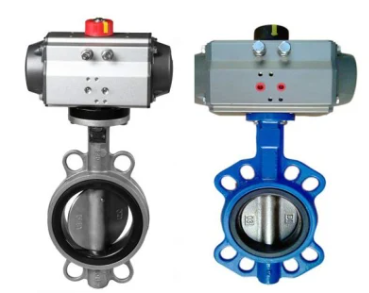
If you are interested in our Threaded End Butterfly Valve, VITON Seated Butterfly Valve, or Stainless Steel Ci Wafer Butterfly Valve With Pneumatic Actuator, or have any other questions regarding corrosion - resistant bronze butterfly valves, please feel free to contact us for procurement and further discussions. We are committed to providing you with the best - quality products and professional technical support.
References
- Fontana, M. G. (1986). Corrosion Engineering (3rd ed.). McGraw - Hill.
- Uhlig, H. H., & Revie, R. W. (1985). Corrosion and Corrosion Control: An Introduction to Corrosion Science and Engineering (3rd ed.). Wiley - Interscience.
- ASM Handbook Committee. (2003). ASM Handbook Volume 13A: Corrosion: Fundamentals, Testing, and Protection. ASM International.