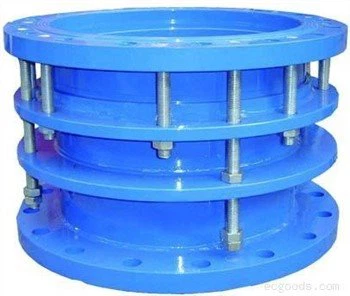
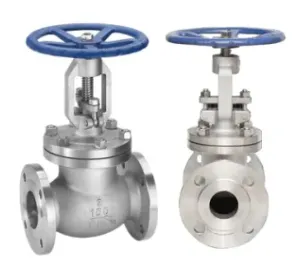
Selecting the right material for a flat gate valve in a chemical processing plant is a critical decision that can significantly impact the efficiency, safety, and longevity of the facility's operations. As a trusted flat gate valve supplier, I understand the complexities involved in this process and am here to guide you through the key considerations to ensure you make the best choice for your specific application.
Understanding the Chemical Environment
The first step in selecting the appropriate material for a flat gate valve is to thoroughly understand the chemical environment in which the valve will operate. Chemical processing plants handle a wide range of substances, each with its own unique properties and corrosive potential. Some common chemicals found in these facilities include acids, bases, solvents, and salts, all of which can have varying degrees of corrosive effects on different materials.
For example, highly acidic environments, such as those containing sulfuric acid or hydrochloric acid, require materials that are resistant to acid corrosion. Stainless steels, particularly those with high chromium and molybdenum content, are often a good choice for acidic applications due to their excellent corrosion resistance. Additionally, certain alloys, such as Hastelloy and Inconel, are specifically designed to withstand extreme chemical conditions and can be used in highly corrosive environments where other materials may fail.
On the other hand, alkaline environments, such as those containing sodium hydroxide or potassium hydroxide, require materials that are resistant to alkaline corrosion. Cast iron and carbon steel are commonly used in less severe alkaline applications, while stainless steel and nickel-based alloys are preferred for more aggressive alkaline environments.
Temperature and Pressure Considerations
In addition to the chemical environment, temperature and pressure are two other important factors to consider when selecting the material for a flat gate valve. Chemical processing plants often operate at high temperatures and pressures, which can cause materials to expand, contract, or deform over time. Therefore, it is essential to choose a material that can withstand the specific temperature and pressure conditions of your application without losing its integrity.
For high-temperature applications, materials with good heat resistance, such as stainless steel, nickel-based alloys, and ceramic composites, are recommended. These materials can maintain their strength and corrosion resistance at elevated temperatures, ensuring reliable performance in harsh environments.
Similarly, for high-pressure applications, materials with high strength and toughness, such as carbon steel and alloy steel, are typically used. These materials can withstand the high pressures without cracking or failing, providing a safe and reliable sealing solution.
Abrasion and Erosion Resistance
In chemical processing plants, flat gate valves may be exposed to abrasive and erosive media, such as slurries and granular materials. These media can cause significant wear and tear on the valve components, leading to reduced performance and premature failure. Therefore, it is important to select a material that has good abrasion and erosion resistance to ensure the longevity of the valve.
For applications involving abrasive media, materials such as hard-faced alloys, ceramic composites, and tungsten carbide are commonly used. These materials have excellent hardness and wear resistance, which can help to minimize the effects of abrasion and erosion on the valve components.
Compatibility with Other Materials
When selecting the material for a flat gate valve, it is also important to consider its compatibility with other materials in the system. For example, if the valve is connected to pipes or fittings made of a different material, there may be a risk of galvanic corrosion, which can occur when two dissimilar metals are in contact with each other in the presence of an electrolyte.

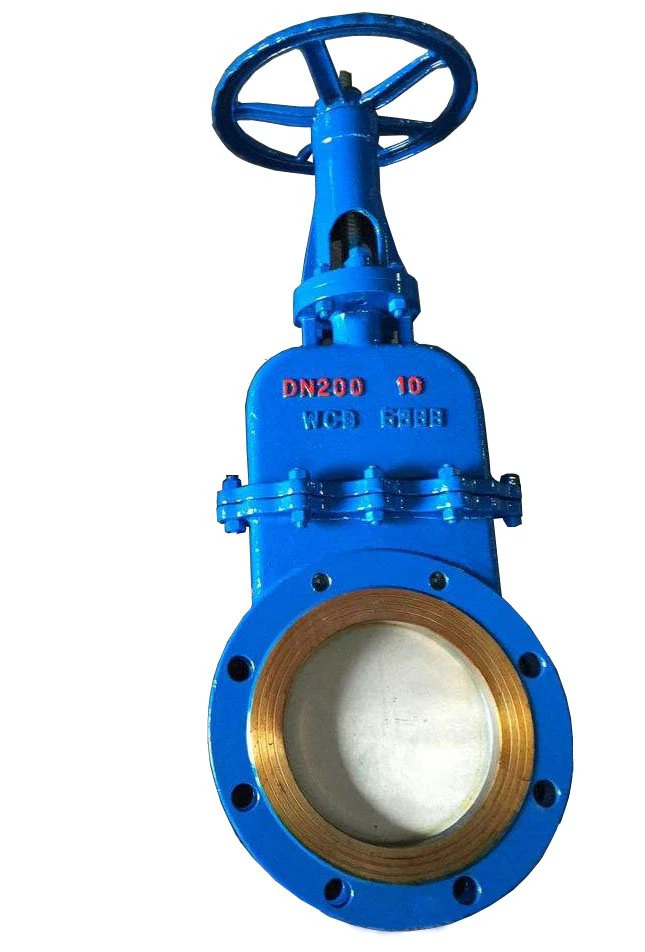
To prevent galvanic corrosion, it is recommended to choose materials that are compatible with each other or to use insulating materials, such as gaskets or coatings, to separate the dissimilar metals. Additionally, it is important to ensure that the valve material is compatible with any seals, gaskets, or packing materials used in the valve to prevent chemical reactions or degradation.
Cost and Availability
Finally, cost and availability are two practical factors that need to be considered when selecting the material for a flat gate valve. While high-performance materials may offer superior corrosion resistance, abrasion resistance, and other properties, they may also be more expensive and less readily available. Therefore, it is important to balance the performance requirements of your application with the cost and availability of the materials.
In some cases, it may be possible to use a less expensive material that meets the basic requirements of your application and then use additional coatings or linings to enhance its performance. This can help to reduce the overall cost of the valve while still providing adequate protection against corrosion and other forms of damage.
Recommended Materials for Different Applications
Based on the above considerations, here are some recommended materials for different applications in chemical processing plants:
General Chemical Applications
- Stainless steel (e.g., 304, 316) is a versatile material that offers good corrosion resistance and is suitable for a wide range of chemical applications. It is relatively inexpensive and readily available, making it a popular choice for many chemical processing plants.
- Cast iron and carbon steel are also commonly used in general chemical applications, particularly in less severe environments. They are less expensive than stainless steel but may require additional coatings or linings to protect against corrosion.
High-Corrosion Applications
- Nickel-based alloys (e.g., Hastelloy, Inconel) are specifically designed to withstand extreme chemical conditions and are ideal for high-corrosion applications. They offer excellent resistance to a wide range of acids, bases, and salts and can maintain their performance in harsh environments for extended periods of time. However, they are more expensive than stainless steel and may not be readily available in all sizes and configurations.
- Titanium is another material that is highly resistant to corrosion and is commonly used in high-corrosion applications, particularly in the presence of chloride ions. It is lightweight, strong, and has excellent biocompatibility, making it suitable for use in a variety of industries, including chemical processing, pharmaceuticals, and aerospace.
Abrasive and Erosive Applications
- Hard-faced alloys (e.g., Stellite, tungsten carbide) are commonly used in applications involving abrasive and erosive media. They offer excellent hardness and wear resistance, which can help to minimize the effects of abrasion and erosion on the valve components. However, they are more expensive than other materials and may require specialized machining and installation.
- Ceramic composites are another option for abrasive and erosive applications. They offer excellent hardness, wear resistance, and chemical resistance, making them suitable for use in a variety of industries, including chemical processing, mining, and power generation. However, they are relatively brittle and may require careful handling and installation to prevent cracking or damage.
Conclusion
Selecting the right material for a flat gate valve in a chemical processing plant is a complex decision that requires careful consideration of several factors, including the chemical environment, temperature and pressure conditions, abrasion and erosion resistance, compatibility with other materials, and cost and availability. By understanding these factors and working with a trusted valve supplier, you can ensure that you choose the best material for your specific application, providing reliable performance, long service life, and maximum safety for your facility.
If you are in the market for flat gate valves or need further assistance in selecting the right material for your application, please feel free to [initiate a contact to discuss your procurement needs with us]. We have a wide range of high-quality manual and automated gate valves, including Manual Slurry Valve, Rubber Seat Gate Valve, and Steel Round Gate, to meet your diverse requirements.
References
- ASM Handbook Volume 13C: Corrosion: Corrosion of Stainless Steels. ASM International.
- Perry's Chemical Engineers' Handbook. McGraw-Hill Education.
- Valve Selection Handbook. Fisher Controls International LLC.