Hey there! As a supplier of Knife Gate Valves, I've seen firsthand how crucial it is to keep these valves in top - notch condition. Knife Gate Valves are used in a variety of industries, like mining, wastewater treatment, and pulp and paper. They're designed to handle thick, abrasive, and corrosive fluids, which means they take a fair amount of wear and tear. So, let's dive into how to maintain a Knife Gate Valve.
Regular Inspection
First off, regular inspection is key. You should check your Knife Gate Valve at least once a month, more often if it's in a high - use or harsh environment. Start by looking at the exterior of the valve. Check for any signs of physical damage, like cracks or dents. These can lead to leaks and reduce the valve's efficiency.
Next, examine the valve's stem. The stem is what moves the gate up and down. Make sure it's not bent or corroded. A bent stem can prevent the gate from opening and closing properly, while corrosion can weaken the stem over time. You can use a simple visual inspection, but for a more thorough check, you might want to use a caliper to measure the stem's diameter at different points.
Also, take a look at the seals. The seals are responsible for preventing leaks. Over time, they can wear out, especially if they're exposed to harsh chemicals or high - pressure fluids. Look for signs of cracking, swelling, or hardening in the seals. If you notice any of these issues, it's time to replace the seals. You can find replacement seals for Manual Rising Stem Knife Gate Valves on our website.
Cleaning
Cleaning your Knife Gate Valve is another important maintenance step. Over time, debris, sediment, and other contaminants can build up inside the valve. This can cause the valve to stick or not close properly.
To clean the valve, first, make sure it's completely shut off and isolated from the system. Then, remove the valve cover. You can use a soft brush or a cloth to gently remove any loose debris from the gate, the seat, and the interior of the valve body.
For stubborn deposits, you might need to use a mild cleaning solution. But be careful! Some cleaning solutions can damage the valve's materials. Always check the valve's manual or consult with us to find out what cleaning solutions are safe to use. After cleaning, rinse the valve thoroughly with clean water and dry it completely before reassembling it.
Lubrication
Lubrication is essential for the smooth operation of your Knife Gate Valve. The moving parts, like the stem and the gate, need proper lubrication to reduce friction and prevent wear.
Use a high - quality lubricant that's suitable for the valve's materials and the operating environment. For example, if the valve is used in a corrosive environment, you'll need a lubricant that offers corrosion protection. Apply the lubricant to the stem, the gate guides, and any other moving parts according to the manufacturer's instructions.
Don't over - lubricate, though. Too much lubricant can attract dirt and debris, which can actually cause more problems. A thin, even layer of lubricant is usually enough.
Testing
Regular testing is a great way to ensure that your Knife Gate Valve is working properly. You can perform a simple visual test by opening and closing the valve several times. Make sure it opens and closes smoothly and fully. Listen for any unusual noises, like grinding or scraping, which could indicate a problem.
For a more comprehensive test, you can use pressure testing equipment. This will allow you to check the valve's performance under different pressure conditions. Pressure testing can help you detect leaks, valve seat damage, or other issues that might not be apparent during a visual inspection.
If you're not sure how to perform a pressure test, we're here to help. We can provide you with detailed instructions or even offer on - site testing services.
Troubleshooting
Even with regular maintenance, you might encounter some problems with your Knife Gate Valve. Here are some common issues and how to troubleshoot them:
Leaking
If you notice a leak around the valve, first, check the seals. As mentioned earlier, worn - out seals are a common cause of leaks. Replace the seals if necessary.


If the leak is coming from the valve body, it could be due to a crack or a damaged gasket. In this case, you'll need to replace the damaged part. But be careful when handling a leaking valve. Make sure to isolate the valve from the system and follow proper safety procedures.
Difficulty Opening or Closing
If the valve is hard to open or close, it could be due to debris buildup, a bent stem, or a lack of lubrication. Try cleaning the valve and applying more lubricant. If the problem persists, check the stem for damage. You might need to replace the stem if it's bent.
Valve Not Closing Completely
A valve that doesn't close completely can lead to fluid leakage and reduced efficiency. This could be caused by debris on the seat, a damaged gate, or a misaligned stem. Clean the seat and check the gate and the stem for damage. Adjust the stem if it's misaligned.
Why Choose Our Knife Gate Valves
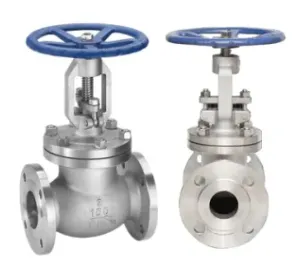
At our company, we offer a wide range of high - quality Knife Gate Valves, including Resilient Seated Gate Valve and Rising Stem Flanged Gate Valve Z41H. Our valves are made from top - grade materials and are designed to withstand harsh operating conditions.
We also provide excellent after - sales service. If you have any questions about valve maintenance, troubleshooting, or replacement parts, our team of experts is always ready to help.
Contact Us for Purchase and Consultation
If you're in the market for a new Knife Gate Valve or need to replace some parts for your existing valve, don't hesitate to get in touch with us. We can offer you competitive prices, high - quality products, and professional advice. Whether you're a small business or a large industrial enterprise, we have the right valve solutions for you.
References
- Valve Manufacturer's Manuals
- Industry Standards for Valve Maintenance
- Technical Articles on Valve Maintenance and Troubleshooting