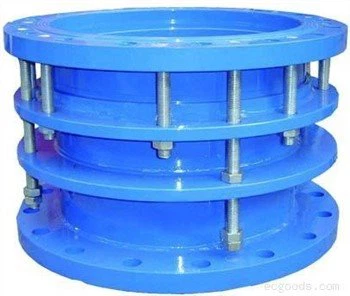
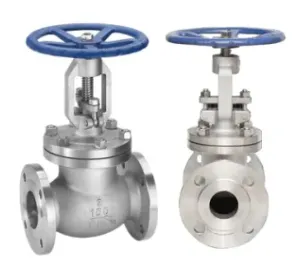
Hey there! As a supplier of globe valves, I've got a ton of hands - on experience with these nifty devices. So, I'm here to walk you through how to operate a globe valve.
First off, let's get a bit of background. Globe valves are super common in all sorts of industries, like oil and gas, water treatment, and even in our homes sometimes. They're used to control the flow of fluids, whether it's gas, water, or some other kind of liquid.
Understanding the Basics of a Globe Valve
Before we start operating it, we need to know what a globe valve is made up of. A typical globe valve has a body, a bonnet, a disc, a stem, and a handwheel (or an actuator in more automated setups). The body is where the fluid flows through, and the bonnet covers the internal parts. The disc is like a stopper that can block or allow the flow, and the stem is what moves the disc up and down. The handwheel or actuator is what we use to control the movement of the stem.
Pre - operation Checks
Before you start operating a globe valve, there are a few things you gotta check. First, make sure the valve is installed correctly. It should be in the right position in the pipeline, and all the connections should be tight. Check for any visible damage to the valve body, bonnet, or stem. If there are any cracks or signs of wear, it's better to replace the valve or get it repaired before using it.
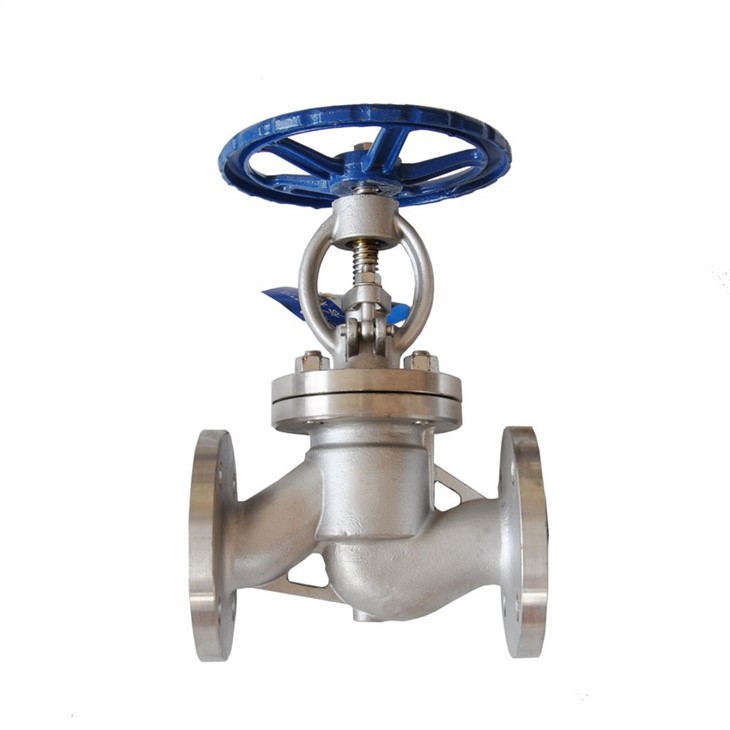
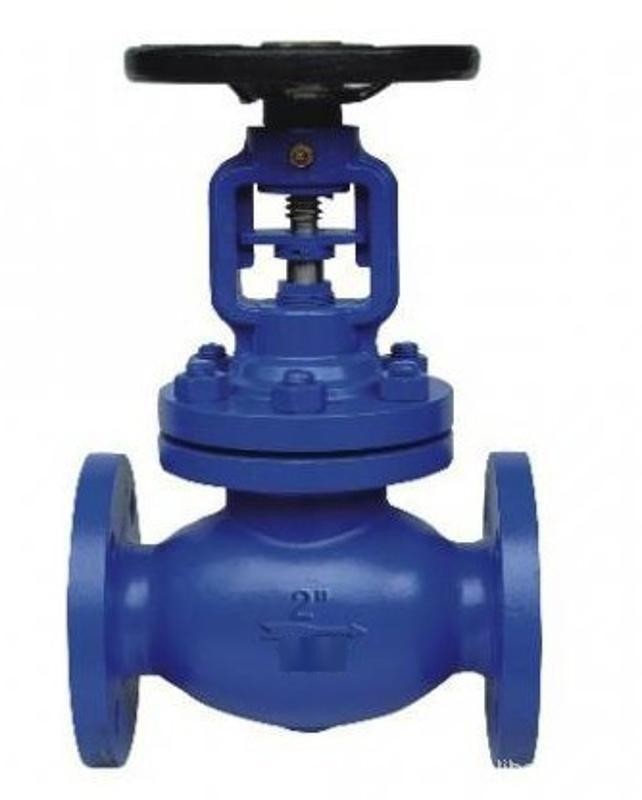
Also, check the lubrication of the stem. If it's dry, it might be difficult to turn the handwheel, and it could even cause damage to the valve over time. You can use a suitable lubricant to keep the stem moving smoothly.
Opening the Globe Valve
Okay, so you've done your pre - operation checks, and now it's time to open the valve. If it's a manual globe valve with a handwheel, here's what you do. First, stand in a comfortable position in front of the valve. The handwheel usually has a direction marked on it. Most of the time, turning the handwheel counter - clockwise will open the valve.
Start turning the handwheel slowly. As you turn, you'll feel the resistance at first. Keep turning until you feel the valve start to open. You might hear a slight hissing sound if there's fluid in the pipeline, which is normal. Keep going until the handwheel can't be turned anymore. This means the valve is fully open.
If you're dealing with an automated globe valve, things are a bit different. You'll need to use the control panel or the actuator's interface. Usually, there will be a button or a switch to open the valve. Just press or toggle it, and the actuator will do the work of moving the stem and opening the valve.
Closing the Globe Valve
Closing a globe valve is just the opposite of opening it. For a manual valve, stand in front of it again and start turning the handwheel clockwise. You'll feel the resistance building up as the disc starts to move towards the valve seat. Keep turning until you can't turn it anymore. This indicates that the valve is fully closed.
With an automated valve, use the control panel to send the signal to close the valve. The actuator will move the stem and the disc to the closed position.
Partially Opening or Closing the Valve
Sometimes, you don't want to fully open or close the valve. You might want to control the flow rate more precisely. To partially open a manual valve, turn the handwheel counter - clockwise, but stop before you reach the fully open position. You can estimate the degree of opening based on how much you turn the handwheel.
For an automated valve, you can use the control panel to set the desired position of the valve. Most modern actuators can be programmed to open the valve to a specific percentage, say 20%, 50%, or 80%.
Troubleshooting
Even with proper operation, you might run into some issues. If you find it hard to turn the handwheel, it could be due to a lack of lubrication, as I mentioned earlier. Try adding some lubricant to the stem and see if it helps.
If there's a leak around the valve, it could be because the valve seat is damaged or the packing around the stem is worn out. You might need to replace the valve seat or the packing to fix the leak.
Different Types of Globe Valves
We offer a variety of globe valves, each with its own features and uses. For example, the Cast Iron Flange Globe Valve is great for general - purpose applications where cost - effectiveness is important. It's made of cast iron, which is strong and durable.
The Stainless Steel Flanged Globe Valve is ideal for applications where corrosion resistance is a must. Stainless steel can withstand harsh chemicals and high - temperature environments.
And then there's the Bellows Globe Valve. This type of valve is used in applications where you need to prevent leakage of the fluid. The bellows act as a seal, providing an extra layer of protection.
Contact for Purchase and Consultation
If you're in the market for a globe valve or have any questions about their operation, don't hesitate to reach out. We're here to help you find the right valve for your specific needs. Whether you need a simple cast - iron valve or a high - end stainless - steel one, we've got you covered.
References
- "Valve Handbook: Principles and Applications"
- "Industrial Valves: Selection, Specification, and Installation"