Hey there! As a supplier of rubber elbows, I've seen firsthand how important it is to keep these nifty pieces of equipment in top - notch condition. A well - maintained rubber elbow can last longer, perform better, and save you a ton of money in the long run. So, let's dive into how you can maintain your rubber elbow like a pro.
Regular Inspection
The first step in maintaining a rubber elbow is regular inspection. You should check your rubber elbow at least once a month, especially if it's in a high - use or high - stress environment. Look for any signs of wear and tear, like cracks, cuts, or abrasions on the surface of the rubber. These small issues can quickly turn into big problems if left unattended.
Also, check the connections of the rubber elbow. Make sure that the flanges are tightly bolted and there are no signs of leakage around the joints. If you notice any loose bolts, tighten them up right away. A loose connection can cause the rubber elbow to shift or move, which can lead to premature failure.
Cleaning
Cleaning your rubber elbow is another crucial part of maintenance. Over time, dirt, dust, and other debris can accumulate on the surface of the rubber, which can cause it to degrade faster. You can use a mild soap and water solution to clean the rubber elbow. Avoid using harsh chemicals or abrasive cleaners, as these can damage the rubber.


Gently scrub the surface of the rubber with a soft brush or cloth, and then rinse it thoroughly with clean water. Make sure to dry the rubber elbow completely after cleaning to prevent the growth of mold or mildew.
Protect from Extreme Conditions
Rubber elbows are sensitive to extreme temperatures, sunlight, and chemicals. If possible, try to keep your rubber elbow away from direct sunlight, as UV rays can cause the rubber to crack and become brittle over time. You can use covers or shields to protect the rubber elbow from sunlight.
Similarly, extreme temperatures can also affect the performance of the rubber elbow. In cold weather, the rubber can become stiff and lose its flexibility, while in hot weather, it can expand and become more prone to damage. If your rubber elbow is exposed to extreme temperatures, consider using insulation or other protective measures to regulate the temperature around it.
Chemicals can also be a big problem for rubber elbows. Some chemicals can react with the rubber and cause it to deteriorate. If your rubber elbow is in an environment where it may come into contact with chemicals, make sure to choose a rubber material that is resistant to those chemicals. You can also use chemical - resistant coatings or linings to protect the rubber elbow.
Lubrication
Lubrication is an important part of maintaining a rubber elbow, especially if it has moving parts or is used in a system where there is friction. You can use a silicone - based lubricant to lubricate the rubber elbow. Silicone lubricants are safe for rubber and can help reduce friction and wear.
Apply the lubricant sparingly to the areas where there is friction, such as the joints or the areas where the rubber comes into contact with other parts. Make sure to follow the manufacturer's instructions when applying the lubricant.
Proper Installation
Proper installation is the foundation of good maintenance. If the rubber elbow is not installed correctly, it will be more prone to problems from the start. Make sure to follow the manufacturer's installation instructions carefully. This includes using the right tools, tightening the bolts to the correct torque, and ensuring that the rubber elbow is aligned properly.
If you're not confident in your installation skills, it's a good idea to hire a professional to do the job. A professional installer will have the experience and knowledge to install the rubber elbow correctly, which will help ensure its long - term performance.
Storage
If you have a spare rubber elbow or need to store it for a period of time, proper storage is essential. Store the rubber elbow in a cool, dry place away from direct sunlight and heat sources. You can also wrap the rubber elbow in a protective material, such as a plastic bag or a cloth, to prevent it from getting dirty or damaged.
When storing the rubber elbow, make sure to keep it in a position where it won't be bent or deformed. If possible, store it in its original packaging or a custom - made storage container.
Replacement of Worn Parts
Even with the best maintenance, rubber elbows will eventually wear out. When you notice that the rubber elbow is severely damaged or no longer performing as it should, it's time to replace it. Don't try to repair a severely damaged rubber elbow, as this can be dangerous and may not be effective.
When replacing the rubber elbow, make sure to choose a high - quality replacement part. You can also consider upgrading to a better - quality rubber elbow if your application requires it.
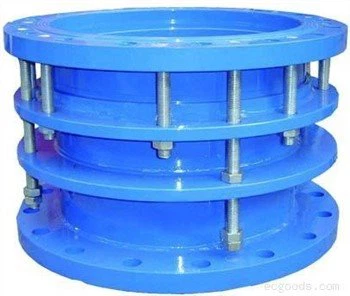
As a rubber elbow supplier, I understand that you may also be interested in other related products. For example, if you're dealing with pipe systems, you might want to check out our Flange Pipe Expansion Joint. It's a great solution for absorbing pipe movements and vibrations. And if you need something more versatile, our Double Flange Expansion Joint could be the answer.
If you have any questions about rubber elbow maintenance, or if you're interested in purchasing rubber elbows or related products, feel free to reach out. We're here to help you find the best solutions for your needs and ensure that your equipment runs smoothly.
References
- "Handbook of Rubber Elastomers" - A comprehensive guide on rubber materials and their applications.
- Manufacturer's manuals for rubber elbows, which provide specific maintenance instructions.