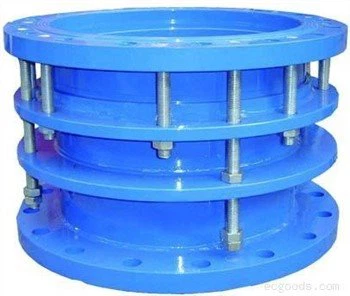
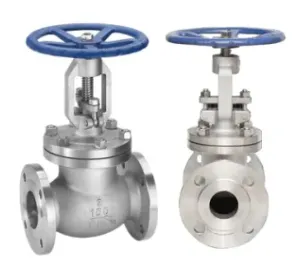
As a supplier of steel round gates, I understand the importance of proper maintenance to ensure the longevity and optimal performance of these essential components. Steel round gates are widely used in various industries, including water treatment, oil and gas, and manufacturing, due to their durability and reliability. In this blog post, I will share some valuable tips on how to maintain a steel round gate effectively.
Regular Inspection
Regular inspection is the cornerstone of gate maintenance. It allows you to identify potential issues early on and take corrective actions before they escalate into major problems. Here are some key areas to focus on during your inspections:


- Visual Inspection: Conduct a thorough visual inspection of the gate, looking for signs of corrosion, damage, or wear. Check the surface of the gate for rust, pitting, or scratches, as these can compromise the integrity of the steel. Pay special attention to areas where the gate comes into contact with other components, such as hinges and seals.
- Operational Inspection: Test the operation of the gate to ensure it opens and closes smoothly. Check for any signs of resistance, binding, or misalignment. If the gate is difficult to operate, it may indicate a problem with the hinges, tracks, or locking mechanism.
- Seal Inspection: Inspect the seals around the gate to ensure they are in good condition. Damaged or worn seals can allow water, air, or debris to enter the gate, leading to corrosion and other issues. Replace any seals that show signs of damage or wear.
Cleaning and Lubrication
Cleaning and lubrication are essential for maintaining the performance and longevity of a steel round gate. Here are some tips on how to clean and lubricate your gate properly:
- Cleaning: Regularly clean the gate to remove dirt, debris, and other contaminants. Use a mild detergent and a soft brush or cloth to clean the surface of the gate. Avoid using abrasive cleaners or tools, as these can damage the steel. Rinse the gate thoroughly with water and dry it completely to prevent corrosion.
- Lubrication: Lubricate the moving parts of the gate, such as hinges, tracks, and locks, to ensure smooth operation. Use a high-quality lubricant that is specifically designed for use on steel. Apply the lubricant to the moving parts according to the manufacturer's instructions. Avoid over-lubricating, as this can attract dirt and debris and cause the gate to malfunction.
Corrosion Prevention
Corrosion is one of the biggest threats to the longevity of a steel round gate. Here are some tips on how to prevent corrosion and protect your gate:
- Coating: Apply a protective coating to the surface of the gate to prevent corrosion. There are several types of coatings available, including paint, powder coating, and galvanizing. Choose a coating that is suitable for the environment in which the gate will be used.
- Galvanizing: Galvanizing is a process of coating the steel with a layer of zinc to protect it from corrosion. Galvanized steel is highly resistant to rust and corrosion and is commonly used in outdoor applications.
- Maintenance: Regularly inspect the gate for signs of corrosion and take corrective actions as soon as possible. If you notice any rust or corrosion on the gate, remove it immediately using a wire brush or sandpaper. Apply a rust inhibitor to the affected area to prevent further corrosion.
Repairs and Replacements
Despite your best efforts to maintain your steel round gate, it may still require repairs or replacements over time. Here are some tips on how to handle repairs and replacements:
- Minor Repairs: Minor repairs, such as fixing a loose hinge or replacing a worn seal, can often be done yourself. However, if you are not comfortable working on the gate, it is best to hire a professional to do the job.
- Major Repairs: Major repairs, such as replacing a damaged section of the gate or repairing a broken locking mechanism, should be done by a professional. A professional gate repair service will have the tools and expertise necessary to complete the repairs safely and effectively.
- Replacements: If the gate is severely damaged or beyond repair, it may need to be replaced. When replacing a gate, it is important to choose a gate that is the same size and style as the original gate. This will ensure that the new gate fits properly and functions correctly.
Conclusion
Maintaining a steel round gate is essential for ensuring its longevity and optimal performance. By following the tips outlined in this blog post, you can keep your gate in good condition and prevent costly repairs and replacements. Remember to conduct regular inspections, clean and lubricate the gate, prevent corrosion, and handle repairs and replacements promptly. If you have any questions or need further assistance with gate maintenance, please do not hesitate to contact us. We are a leading supplier of steel round gates and offer a wide range of products and services to meet your needs.
Contact Us
If you are interested in purchasing a steel round gate or have any questions about gate maintenance, please contact us today. Our team of experts will be happy to assist you and provide you with the information you need to make an informed decision. We offer a wide range of gates, including Bevel Gear Flanged Gate Valve Z541H, Knife Gate Valve, and Cast Iron Brass Sealed Rising Stem Gate Valves. We also offer installation, repair, and maintenance services to ensure that your gate performs at its best.
References
- American Iron and Steel Institute. (n.d.). Steel Corrosion Basics. Retrieved from https://www.steel.org/AM/Template.cfm?Section=Steel_Corrosion_Basics&Template=/CM/ContentDisplay.cfm&ContentID=1126
- International Association of Plumbing and Mechanical Officials. (2018). Uniform Plumbing Code. Retrieved from https://www.iapmo.org/ucodes/upc/
- National Fire Protection Association. (2019). NFPA 13: Standard for the Installation of Sprinkler Systems. Retrieved from https://www.nfpa.org/codes-and-standards/all-codes-and-standards/list-of-codes-and-standards/detail?code=13